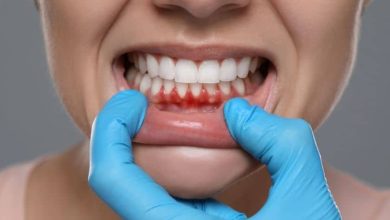
Why Cosmetic Dentists Focus On Both Form And Function
You might be feeling torn right now. On one hand, you want a smile that looks good in photos and feels like “you” again. On the other, you are worried about whether changing your teeth will affect how you chew, speak, or even how long your restorations will last. Visiting a Lodi dentist can help you understand your options so you do not feel forced to choose between beauty and comfort.end
Because of this tension, you might wonder if cosmetic dentistry is only about looks. The short answer is no. Modern cosmetic dentists are trained to protect how your mouth works while improving how it looks. The goal is a smile that feels natural, functions well, and also gives you confidence.
So here is the simple truth, up front. Why cosmetic dentists focus on both form and function comes down to one thing. A smile that only looks good will not serve you very long, and a smile that only functions well but makes you self conscious can quietly wear you down. You deserve both.
When you only focus on looks, what can go wrong?
Imagine you go in asking for a brighter, straighter smile. The photos you show your dentist look flawless. You walk out with ultra-white veneers that are slightly too long and too thick for your bite. At first, it seems fine. Then small problems start to show up.
You notice your jaw feels tight at the end of the day. You are biting your cheek more often. Your “S” sounds feel a little strange. Food catches in new places. Nothing is bad enough to feel like an emergency, but something is off. This is what happens when form is treated as optional.
Teeth are not just decorations. According to medical definitions of dental occlusion, your teeth, jaw joints, and muscles are part of a complex system. If a cosmetic change ignores that system, you can end up with:
- Chipped or cracked veneers because the bite is not balanced.
- Headaches or jaw pain from overworked muscles.
- Gum irritation if restorations are too bulky or placed poorly.
- Speech changes that make you feel self conscious.
So where does that leave you? You start with a wish for confidence and end up trading one type of discomfort for another. That is why an experienced cosmetic dentist never sees your smile as “just cosmetic.”
How does function quietly shape every cosmetic decision?
Cosmetic dentists who practice responsibly are guided by science, not just style. The American Dental Association publishes professional standards and policies about patient safety and quality, which shape how dentists plan and deliver care. You can see these practice expectations in their current policy documents.
At the same time, universities and training programs teach cosmetic and restorative dentists to think about your bite, your jaw joint, and your long term oral health as a single picture. For example, programs in restorative dentistry, such as those at UCLA’s restorative dentistry division, emphasize both appearance and function when they teach veneers, crowns, implants, and full mouth reconstruction.
So when a dentist talks about esthetic and functional dentistry, here are a few things they are looking at, even if you never see it on the surface.
- How your upper and lower teeth meet when you bite and slide side to side.
- Whether your jaw joints are healthy or strained.
- How your lips, tongue, and cheeks move when you smile and speak.
- The shape of your face and how tooth length or fullness affects it.
- Gum health and bone levels that support your teeth and any implants.
Because of this, a good treatment plan for cosmetic and implant dentistry will often start with photos, models of your teeth, and sometimes digital scans. The dentist is trying to predict how each change will look, feel, and function in real life, not just on a screen.
What happens when form and function work together?
Think of two different patients.
Patient A asks for veneers on the front teeth only. The dentist does not check the bite. The teeth look nice, but the back teeth are worn and the jaw joint is already stressed. Two years later, the veneers start to chip, and Patient A now needs more extensive work.
Patient B also wants veneers, but the dentist notices heavy wear and grinding. Together they decide to correct the bite with carefully shaped restorations and possibly a night guard. The front teeth are designed to support the bite, not just look good. Five years later, the veneers are still intact, the jaw feels comfortable, and the smile still looks like it belongs on Patient B’s face.
Both patients wanted the same thing. Only one got care designed for both now and later. That is the heart of cosmetic dental treatment today. Long term comfort is treated as part of the esthetic result, not a separate issue.
Comparing short term “quick fixes” with thoughtful cosmetic and implant care
When you are tired of hiding your smile, it is tempting to choose whatever seems fastest or cheapest. It might help to see how a “quick fix” approach compares with carefully planned family and cosmetic and implant dentistry.
| Approach | What it usually looks like | Short term benefits | Common long term tradeoffs |
|---|---|---|---|
| Quick cosmetic fix | Focus on front teeth only, minimal bite analysis, limited records | Lower upfront cost, faster visible change, fewer visits at first | Higher risk of chipping, jaw discomfort, uneven wear, more retreatment costs |
| Thoughtful cosmetic and functional care | Photos, models or scans, bite evaluation, discussion of goals and habits | Results shaped around your face, speech, and comfort, realistic expectations | More stable bite, restorations that last longer, fewer surprises over time |
| Implants planned only for the “gap” | Focus on filling space, limited review of bite or opposing teeth | Space filled quickly, improves appearance in that area | Implant crown may feel “high” or “off,” extra wear on neighbors, possible bone or gum issues |
| Implants integrated into full smile plan | 3D imaging, bone and gum evaluation, bite and esthetic planning together | Implant crown matches shape and color, feels more like a natural tooth | Better chewing comfort, easier cleaning, more predictable long term stability |
So, where does that leave you as you think about your own mouth and your own budget? It means the cheapest or fastest option is not always the least expensive in the long run, especially if it fails or causes discomfort.
Three steps you can take right now to protect both form and function
- Get clear about what bothers you most
Before you see anyone, take a quiet moment and write down what is bothering you. Is it color, shape, crowding, missing teeth, or discomfort when you chew. Also write how you want to feel when this is resolved. Less self conscious at work. Able to eat on both sides. Happy in photos with family.
This does two things. It helps your dentist understand your priorities, and it keeps you from getting swept up in options that look exciting but do not match your real needs.
- Ask every dentist the same three questions
When you meet a dentist about cosmetic or implant work, try asking:
- How will this change affect my bite and my jaw joints.
- What are the likely maintenance needs for this work in 5 or 10 years.
- If this were your own mouth, what would you choose and why.
Listen not only for the answer, but for how the dentist talks about function. If they only talk about shade charts and shapes, that is a clue. If they explain how your teeth meet, how your muscles work, and how your restorations will age, you are hearing the mindset you want.
- Give yourself permission to choose stability over speed
You may feel pressure to fix everything at once, especially if you have been unhappy with your smile for years. It is okay to ask for a phased plan. A thoughtful dentist can often prioritize what protects your function first, then build the esthetic details on top of that.
This might look like addressing broken or painful teeth, planning implants where needed, and then finishing with whitening or veneers. You still move toward a confident smile, but you do it in a way that respects your health and your budget.
Your smile is not “just cosmetic” and you are not asking for too much
Wanting a smile that looks good and works well is not asking for perfection. It is asking for basic respect for your body and your daily life. When you understand why cosmetic dentists focus on both form and function, you can ask better questions, notice red flags, and choose care that supports you for years, not just for the next photo.
You do not have to settle for a quick fix that leaves you uncomfortable, and you do not have to ignore how you feel about your appearance. Both matter. Both can be honored in the same plan.