Extraction Vs. Non Extraction Treatment: How Orthodontists Weigh The Tradeoffs
You might be staring at a treatment plan that mentions taking out teeth and feeling your stomach drop. Or you have a second opinion that says the exact opposite, no extractions at all, and now you are wondering who to believe. It can feel like you are being asked to choose between your smile, your health, and your peace of mind, without really understanding what is at stake. In moments like this, consulting an orthodontic dentist Bellevue can help you get the clarity and confidence you need before making a decision.
This is a common crossroads in orthodontic care. Some orthodontists recommend removing permanent teeth to create space. Others prefer to keep all teeth and use expansion or other methods instead. Both options can be safe and effective when used in the right situation. The key is understanding how orthodontists think through these choices so you can be part of that decision, not just a bystander.
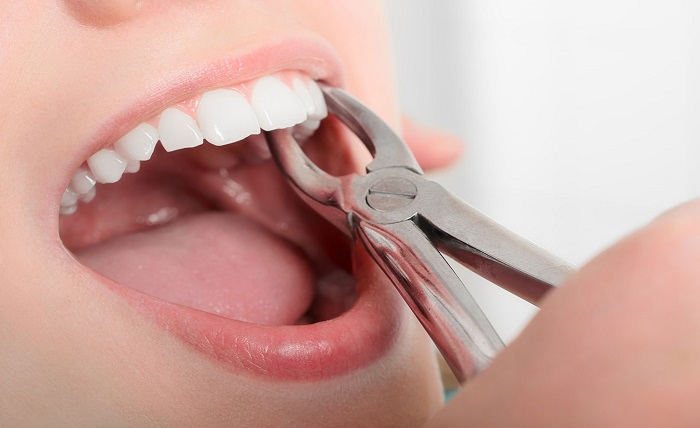
In simple terms, extraction treatment removes one or more teeth to help align the rest. Non extraction treatment keeps all the teeth and creates room in other ways. Each path has tradeoffs for facial appearance, bite function, treatment time, and long term stability. Once you see those tradeoffs clearly, the whole conversation becomes a lot less scary and a lot more manageable.
Why does my orthodontist even suggest removing teeth?
It often starts with crowding. There are too many teeth for the space available in the jaws. Maybe your front teeth overlap, your canines are high up and “stuck,” or your bite does not come together comfortably. Your orthodontist is looking at all of that and thinking about how to create enough room for every tooth and still keep a healthy, stable bite.
This is where the tension begins. Extraction treatment can sound extreme. You might worry that removing teeth will flatten your face, change your smile in a way you will regret, or cause problems later in life. On the other hand, you might also worry that forcing all the teeth into a small jaw without extractions will push them too far forward or make your gums less stable.
Because of this tension, you might wonder whether there is a “right” philosophy. Some professional bodies, like the Canadian Association of Orthodontists, acknowledge that different treatment philosophies exist and that responsible orthodontists can reasonably choose different paths for the same case. The question is not “Is extraction bad?” The question is “Is extraction right for this mouth and this person?”
What exactly is the tradeoff between extraction and non extraction treatment?
Think of extraction vs non extraction orthodontics as two different ways of solving the same puzzle. The puzzle pieces are your teeth, your jaws, your facial profile, and your long term oral health.
With extraction treatment, a common approach is to remove four premolars. This creates space to straighten crowded front teeth and improve the bite. Research such as studies published in journals like The Angle Orthodontist suggests that, when carefully planned, extraction treatment does not automatically ruin facial aesthetics. In many cases it can actually soften a very protrusive profile or help lips close more comfortably.
Non extraction orthodontic treatment uses options like arch expansion, interproximal reduction (very small reshaping between teeth), and careful tooth movement to create room without removing teeth. This approach can help maintain a fuller facial profile and avoid the emotional hurdle of losing healthy teeth. However, if the jaws are very small or the teeth are very protrusive, forcing everything to fit without extractions can push teeth outside the ideal bone support, which may affect gum health or long term stability.
So where does that leave you? It leaves you needing clarity about your specific situation. For example, imagine two different patients.
First, a teenager with very crowded upper teeth, lips that do not close easily, and a strong forward dental profile. Extraction treatment here may improve lip comfort, reduce protrusion, and give a stable bite. Non extraction treatment might leave teeth too far forward and harder to keep clean.
Second, an adult with mild crowding, a flat or slightly retruded profile, and concern about facial support as they age. In that case, non extraction treatment might be better, using gentle expansion and careful alignment to preserve facial fullness. Extractions here might risk making the profile look even flatter.
Researchers continue to study these tradeoffs. Some long term studies, such as those from university research groups available through sources like academic repositories, suggest that both approaches can produce stable, healthy outcomes when matched correctly to the patient. The art is in that matching.
How do extraction and non extraction compare in everyday terms?
It can help to see the differences side by side. This is not a rulebook. It is a starting point for questions you can ask your orthodontist.
| Factor | Extraction Treatment | Non Extraction Treatment |
|---|---|---|
| Main idea | Remove 1 or more teeth to create space | Keep all teeth and create space by expansion or reshaping |
| Typical reason | Severe crowding or very protrusive teeth | Mild to moderate crowding, desire to maintain fullness |
| Impact on facial profile | Can reduce protrusion and help lips close more easily | Often keeps or enhances lip and cheek fullness |
| Treatment mechanics | Braces or aligners close extraction spaces, then fine tune | Braces, aligners, and sometimes expanders widen arches |
| Potential benefits | More room for alignment, better bite in crowded jaws | Avoids removing teeth, can feel more “natural” to patients |
| Potential risks | Over extraction can flatten profile if poorly planned | Over expansion or protrusion can strain gums and bone |
| Long term stability | Stable if teeth stay within bone and bite is balanced | Stable if expansion is within biological limits and retained |
| Emotional aspects | Anxiety about losing healthy teeth | Concern that teeth might look “too forward” if overdone |
When you look at this comparison, it becomes clear there is no universal winner. The better option is the one that respects your anatomy, your goals, and the limits of safe tooth movement. That is the heart of orthodontic treatment planning.
What can you do right now to make a confident decision?
You do not need to become an orthodontist to ask smart questions. You do need a simple plan so you feel less overwhelmed and more in control.
- Ask your orthodontist to walk you through “why this plan for my face”
Instead of just asking “Do I really need extractions?” try asking:
- “What would my profile and smile likely look like with extractions versus without?”
- “Can you show me my X rays and explain where the teeth sit in the bone now?”
- “How are you balancing my bite, my facial appearance, and long term gum health?”
A thoughtful orthodontist will welcome these questions. Many follow evidence based guidelines and are aware of different orthodontic philosophies. You are not challenging their expertise. You are asking them to translate it into plain language for your specific case.
- Get a second opinion and compare the reasoning, not just the plan
If one doctor insists on extractions and another is firmly non extraction, it is tempting to pick the answer you want to hear. Instead, listen for how each one explains their logic.
- Do they reference your facial profile, jaw size, and bone support, or only the crowding they see on the teeth?
- Do they mention research or long term stability, or focus only on how straight your teeth will look at the end?
- Do they explain the limits of what non extraction can safely achieve in your case?
When you focus on the reasoning behind extraction vs non extraction treatment, you are more likely to choose a plan that truly fits you, not just a philosophy.
- Clarify your own priorities and communicate them clearly
Your orthodontist brings clinical judgment. You bring your values. Before your next appointment, take a moment to write down what matters most to you, for example:
- “I am very concerned about changes to my facial profile.”
- “I am ok with longer treatment if it means avoiding extractions, as long as it is safe.”
- “My top priority is a healthy, stable bite for the long term, even if that means removing teeth.”
Share this list. A good treatment plan is not only medically sound. It also respects your goals as the person who will live with the result every day.
Finding peace with your orthodontic choice
Standing at the crossroads of extraction and non extraction treatment can feel heavy. You might worry that one wrong decision will haunt you. The truth is that both paths can lead to a healthy, confident smile when chosen thoughtfully.
When you understand how orthodontists weigh space, bone, facial profile, and long term stability, the decision stops feeling like a mystery and starts feeling like an informed choice. You do not have to rush. You do not have to pretend you are not anxious. You simply need clear information, honest dialogue, and a plan that makes sense for your mouth and your life.
You deserve to feel heard and respected as you move forward with orthodontic care. Use the questions and steps above as your guide. They will help you turn confusion into clarity and fear into a calm, steady decision about your orthodontist treatment path.