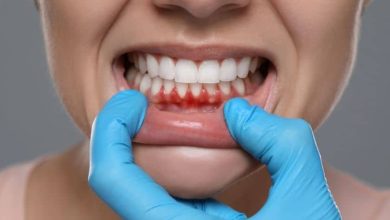

3 Ways Family Dentistry Supports Kids As They Grow Into Adults
You might be feeling a mix of pride and worry every time your child smiles. You see baby teeth falling out, braces going on, wisdom teeth coming in, and you wonder if you are keeping up with everything their mouth needs as they grow. It can feel like there is always one more appointment to book with a trusted Silver Spring, MD dentist, one more choice to make, and you do not want to get it wrong.end
At the same time, you may notice how quickly childhood habits turn into adult patterns. A few skipped cleanings, a fear of the dentist that never got addressed, or constant cavities when they are young can easily become bigger problems when they are older and on their own.
This is where a family dentist can quietly change the story. By caring for your child from their first visit through the teenage years and into adulthood, family dentistry can create continuity, lower stress, and protect both their health and your budget. In simple terms, it supports three big things. It builds lifelong habits, it manages growing-up changes before they turn into emergencies, and it makes the move from “Mom books my appointments” to “I take care of my own health” much smoother.
So where does that leave you right now. You may still feel uneasy, but you also have options. You can choose care that grows with your child instead of starting over at every stage.
Why does ongoing family dental care matter so much as kids grow up?
On paper, dental care sounds simple. Brush, floss, see a dentist twice a year. In real life, it is more complicated. Kids are busy, teens are independent, and adults are juggling work, bills, and everything else. It is easy for oral health to slide down the list until pain forces it back to the top.
This is the problem. Dental issues are often silent at first. According to public health experts, many cavities and gum problems do not cause pain until they are more advanced. Resources from the Centers for Disease Control and Prevention explain that regular checkups and cleanings catch problems early, when they are easier and less expensive to treat. You can read more about that in the CDC’s overview of oral health and prevention.
Because of this, missing a few years of consistent care during childhood or the teen years can have a long tail. A small cavity can become a root canal. Mild crowding can become more serious misalignment. Bleeding gums can become early gum disease.
So what does family dentistry actually change here. A consistent family dental care provider follows your child over time, knows their history, and can spot patterns. For example, if your child always has cavities in the same area, the dentist can check for deep grooves in those teeth, talk about sealants, and adjust brushing techniques before it becomes a repeating emergency.
Emotionally, there is another layer. Many kids feel nervous about dental visits. If every visit means a new office, new staff, and new rules, that anxiety can grow. A familiar team and a familiar setting can lower that fear and build trust, which matters a lot when your child becomes a teenager and starts making more of their own choices about health.
1. How does a family dentist shape lifelong oral health habits?
Think about the routines in your home right now. Maybe you remind your child to brush before bed. Maybe you have a “no snacks after brushing” rule. These habits did not appear out of nowhere. Someone taught them, repeated them, and modeled them.
A strong family dentistry for all ages approach does something similar. It teaches, repeats, and models good habits in a way that fits each stage of growth.
For a toddler, that might mean short, gentle visits that focus on getting used to the chair, the light, and the sound of the tools, plus simple guidance on brushing with a caregiver. For a school-age child, it might mean showing plaque with a disclosing solution so they can actually see what they are missing. For a teenager, it might mean honest conversations about energy drinks, vaping, mouth guards for sports, or whitening trends on social media.
Over time, your child hears the same clear messages from you and from the dentist. Brush twice a day. Floss once a day. Watch sugar. Come in regularly. When those messages are steady and consistent, they become part of your child’s own internal “voice” about health. That is how a habit survives the jump from your home to their first apartment.
2. How does family dentistry help kids through braces, wisdom teeth, and other growing pains?
Growing up comes with real physical changes in the mouth. Adult teeth erupt, jaws grow, and sometimes things do not line up the way they should. You might notice crowding, an overbite, grinding at night, or complaints of jaw soreness. It can be hard to know what is urgent and what can wait.
Family dental care creates a kind of timeline. Because the same dentist has been watching your child’s growth on X-rays and in person, they can see when things start to shift. They can tell you when it is time to talk about orthodontic treatment, when wisdom teeth need to be monitored or removed, and when jaw development looks a bit off.
Here is a simple example. A teenager who has regular cleanings and exams may have early signs of impacted wisdom teeth on an X-ray long before they cause pain. The family dentist can plan a referral to an oral surgeon at a lower stress time, such as a school break, instead of waiting for a middle-of-the-night emergency.
There is also a financial side. Catching problems early is usually less expensive than waiting. Preventive care, like sealants and fluoride, can reduce the number of fillings. Referrals can be timed and coordinated. The Health Resources and Services Administration shares information about prevention and access to care, including how early intervention can reduce costs over time. You can find more through their oral health resources.
3. How does a family dentist support the move from child to independent adult?
The transition from pediatric care to adult care is a turning point. Many young adults lose contact with any dentist during this time. They move for college, work, or relationships, and there is no one reminding them to schedule checkups. Years can pass before they sit in a dental chair again.
A family dentist can soften this transition. If your child has been seen in the same office for years, the shift is not from “kid dentist” to “unknown adult dentist.” It is from “my parents schedule my visit” to “I schedule my own visit in the same place.” That familiarity reduces friction and makes it more likely they will keep coming.
For young people with special health care needs or more complex medical histories, the transition can be even more sensitive. The American Academy of Pediatric Dentistry offers guidance about moving from pediatric-centered to adult-centered dental homes, especially for patients who need a bit more planning and support. You can read their recommendations on transitioning dental care for individuals with special health care needs.
When the same office knows your child’s history, medications, sensory needs, and communication style, they can help create a smoother handoff into adult-style care instead of a sharp break.
What are the tradeoffs of staying with one family dentist as your child grows?
It can help to see the differences laid out clearly. You may be weighing whether to keep everything under one roof or move between separate pediatric and adult providers.
| Question | Consistent family dentist | Switching providers at each stage |
|---|---|---|
| Emotional comfort for your child | Familiar faces and routines can reduce anxiety and build trust over time. | New offices and staff at each stage can increase fear or resistance to visits. |
| Monitoring growth and changes | Long-term records and history help spot patterns and changes early. | History can be fragmented or lost during handoffs between offices. |
| Cost and planning | Preventive focus and early action can lower long-term costs. | Gaps in care increase the chance of emergency or complex treatment. |
| Transition into adult care | Smoother shift from parent-managed to self-managed appointments. | Higher risk that young adults stop care for several years. |
| Special health care needs | One team can coordinate and adjust as needs evolve. | Each new office must learn history and preferences from scratch. |
What can you do right now to support your child’s dental future?
You do not have to fix everything at once. A few thoughtful steps can make a real difference.
- Choose or confirm a “dental home” for your whole family
If you already have a trusted office, consider formally treating it as your family’s long-term dental home. If you do not, start by asking about experience with children, teens, and adults, and how they handle the transition years. You want a place that welcomes questions, respects your child’s feelings, and focuses on prevention, not just repair.
- Build a simple, shared routine with your child or teen
Create a routine you both can follow. For younger kids, this might mean brushing together and using a sticker chart. For teens, it might mean setting reminders on their phone for brushing and flossing, plus planning checkups at times that respect their schedule, such as school breaks. The goal is to move from “you reminding them” to “them owning the habit,” step by step.
- Talk openly about the move to adult care
As your child gets older, start naming the transition. Invite them into conversations with the dentist about their own health. Encourage them to ask questions directly. When they are ready, let them handle scheduling or checking in at the front desk with you nearby. These small actions send a clear message. This is your health, and you are capable of managing it.
Moving forward with more confidence
You may still feel worried about missed appointments in the past or habits that are not perfect. That is understandable. Parenting and caregiving are full of moments where you wish you had known more, sooner.
Your next step can be as simple as booking the next checkup and starting a conversation about long-term care. Over time, those small choices add up to something powerful. A healthier, more confident smile that follows your child into adulthood.