
How to Combine Switzerland & Italy In One Perfect Trip
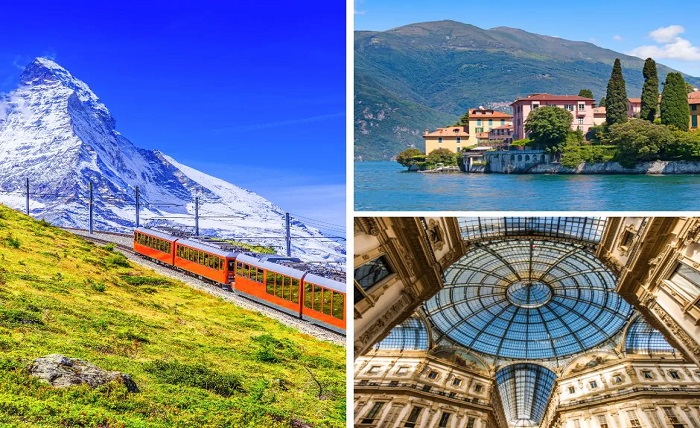
Planning a trip that includes both Switzerland and Italy sounds exciting, but it can quickly become confusing. Many travellers struggle with choosing the right route, balancing time between mountains and cities, and managing different budgets and transport systems.
Without a clear plan, the journey can feel rushed or expensive. Combining these two countries requires a structured approach to routes, timing, and transport. Here is how to plan it step by step.
Decide Trip Length First
Choose the number of days based on travel time between stops and the rest needed to enjoy each place.
- Set a pace first, then keep the number of stops aligned with that pace.
- Limit hotel changes so most days are not spent packing and checking in.
- Keep mountain and lake days lighter because timings can shift.
- Treat long transfer days as low-activity days, with a simple evening plan.
- Leave some open time for short walks so the trip does not feel rushed.
By looking at Switzerland tour packages, you can also get an idea of how many places can be comfortably visited in a few days.
Choose Your Entry & Exit Cities Strategically
Entry and exit choices decide whether the trip feels smooth or repetitive, especially when flying. Arriving in one country and departing from the other can reduce repeated transfers and keep the journey moving in one direction.
Select gateways with reliable flight options and strong rail links into the city centre, because airport transfers can take time and energy. When the first base is easy to reach by train, the trip can begin with less stress and less local travel.
Map a Logical North-South Route
A strong route usually follows geography rather than jumping across distant regions. Switzerland’s lakes and alpine areas connect well by rail, and links to northern Italy are well established. Moving north to south can reduce backtracking and make it easier to plan check-in times, day trips, and train changes.
It also creates a natural shift from outdoor days in Switzerland to city-focused days in Italy, where walking and museum time often take priority. Many travellers review Italy tour packages to see how cities, train routes, and day trips are typically structured before mapping their own journey.
Use Trains as the Primary Transport Method
Trains suit this combination because stations are usually central services that run frequently. A rail-first plan can also avoid parking issues, tolls, and restricted traffic zones that affect many Italian cities. Where reservations apply, booking earlier can help you secure preferred departures in busy periods.
Aim for daylight travel on scenic stretches, pack manageable luggage, and allow extra minutes for platform changes. Keep a small day bag for essentials so you do not open your main suitcase on platforms. Keep tickets and identification easy to access to speed up station transitions.
Balance Nature and Cities Properly
The trip feels better when outdoor days and city days are balanced instead of stacked. Mountain excursions may include early starts and altitude changes, while Italian cities can involve long hours on foot.
Avoid stacking too many demanding days in a row, and use lake time as a slower reset between busier segments. A lighter day after a long transfer can also keep the overall plan comfortable. This rhythm also leaves room for weather changes without losing the overall plan.
Plan Budget Allocation Intentionally
Costs often differ between the two countries, so a country-wise budget can help keep spending controlled. Switzerland may take a larger share for accommodation, mountain transport, and scenic rail routes, while Italy can offer more flexibility for stays and daily meals.
Decide where higher spending matters most and keep a buffer for local transport and small upgrades. Some travellers consider Switzerland tour packages when they want predictable inclusions and fewer separate bookings.
Select Experiences That Complement Each Other
Switzerland and Italy feel most connected when experiences are chosen to highlight contrast without clashing in pace. Switzerland’s strengths are visual and nature-led, while Italy’s are culture-led and social. Choosing experiences that hand over smoothly from one style to the other keeps the trip coherent.
In Switzerland, focus on:
- Plan an alpine mountain excursion in the Jungfrau region or the Matterhorn area.
- Lake cruise to enjoy waterfront villages and changing light without added effort.
- A scenic train ride that turns the transfer itself into a highlight.
- A small historic town for old-world streets, local museums, and a slower evening mood.
In Italy, focus on:
- Historic landmarks that anchor the country’s story and architecture.
- Set aside time for Renaissance art in major museums and galleries.
- Include local cuisine experiences that reflect regional flavours.
- Piazza evenings feel relaxed, with time to sit and watch local life.
Italy tour packages may suit travellers who prefer guided access to major sights, but the overall trip still benefits from a pace that matches the Swiss segment.
Handle Currency and Payments Smartly
Switzerland uses Swiss Francs, while Italy uses Euros, so a two-currency plan should be intentional. Keep payment options flexible: an international debit or credit card for most spends, plus some cash for smaller purchases, public conveniences, or rural stops.
Track spending by country to stay aligned with the budget split, since small daily differences can add up. For many travellers, it also helps to confirm international transaction settings with the bank in advance and to store emergency funds separately, not in a single wallet.
Avoid Common Route Planning Mistakes
Most issues come from trying to cover too much and underestimating the effort of transfers.
- Avoid changing hotels too often, because time is lost to packing and check-in rules.
- Do not underestimate station navigation and local transfers, especially with luggage.
- Do not plan mountain days too tightly, because timings can change in busy periods.
- Check reservation rules for certain trains or attractions during busy periods.
- Avoid late arrivals that make dinner, transport, or open shops harder to manage.
- Track spending by country so one side does not squeeze the other.
Conclusion
A combined Switzerland and Italy trip works best when it moves in one direction and protects time for both scenery and culture. Choose a trip length based on travel effort, then plan entry and exit points that cut repeated transfers. Build a north-to-south route, rely mainly on trains, and alternate outdoor days with city days for a steady rhythm. With these choices, the trip can feel managed, well-paced, and deeply rewarding.