Get Ultimate Protection with Lightweight Google Pixel Cases
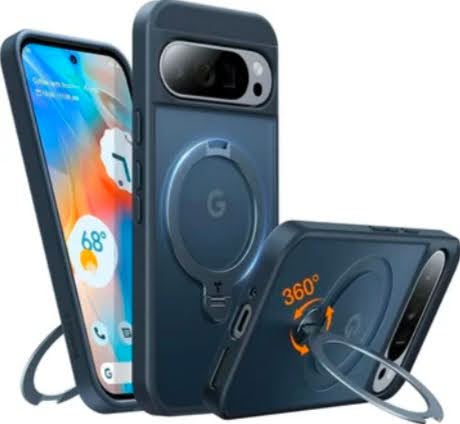
You’ve just unboxed your brand-new Google Pixel, and within the first week, it slips from your hand onto the pavement. That sinking feeling — watching a premium device potentially shatter — is something no smartphone owner wants to experience. Yet millions of people use their phones completely unprotected, either because they haven’t found the right case or because the options they’ve tried felt like strapping a brick to their pocket.
This is the central dilemma for Google Pixel owners: finding a Google Pixel case that delivers serious phone protection without turning a sleek device into something clunky and uncomfortable. The good news is that today’s lightweight phone cases and shock-absorbing cases have evolved dramatically, offering military-grade protection in surprisingly slim profiles.
This article is designed to help you cut through the noise and find a case that genuinely fits your lifestyle. We’ll cover why protection matters more than you might think, how to identify the right balance between weight and durability, what features to prioritize, and how to make a confident buying decision — finishing with top recommendations to get you started.
Why Protection is Non-Negotiable for Your Google Pixel
Google Pixel devices sit at the premium end of the smartphone market, and their repair costs reflect that. A cracked screen replacement can run anywhere from $150 to well over $300 depending on the model, and that’s before factoring in damage to internal components from a hard impact. For many users, that’s a significant unexpected expense — one that a $20–$40 case could have prevented entirely.
Daily life is surprisingly hard on smartphones. Your phone gets tossed into bags alongside keys, set face-down on rough surfaces, and fumbled during rushed moments. Even a short drop onto concrete or tile can crack a screen, chip a corner, or damage the camera module. These aren’t rare accidents — they’re the everyday reality of carrying a device everywhere you go.
Beyond immediate repair costs, phone protection directly affects resale value. A Pixel in pristine condition can fetch considerably more on the secondhand market than one with scratches, scuffs, or a hairline crack across the display. If you plan to upgrade in a year or two, a well-maintained device puts real money back in your pocket. A quality Google Pixel case is essentially an investment that pays for itself many times over, preserving both the functionality and appearance of your device throughout its lifespan.
The Ideal Balance: Lightweight Design Meets Maximum Protection
A lightweight phone case typically weighs between 0.5 and 1.5 ounces — light enough that you barely notice it’s there, yet substantial enough to provide a meaningful protective layer. This matters more than most people realize. When a case adds noticeable heft or thickness, users start leaving it at home or ditching it altogether, which defeats the entire purpose. The best case is ultimately the one you’ll actually keep on your phone every day.
There’s a persistent myth that thinner cases can’t offer real protection. This thinking made sense a decade ago, but materials science has advanced significantly. Modern engineered polymers like thermoplastic polyurethane (TPU) can absorb and disperse impact energy far more efficiently than older rigid plastics, meaning a 2mm-thick case today can outperform a 5mm case from years past. Bulk is no longer a reliable proxy for durability. Some of the slimmest cases on the market now carry military drop-test certifications — brands like TORRAS, for instance, engineer cases that meet MIL-STD-810G standards while maintaining a notably slim profile — proving that a sleek design and serious protection aren’t mutually exclusive.
Usability is the other half of the equation. A case that makes your phone harder to handle — covering sensors, blocking speakers, or making buttons stiff — creates daily friction that accumulates into real frustration. Lightweight cases, by design, tend to preserve the phone’s original ergonomics, keeping button responsiveness and port access intuitive.
Key Benefits of Lightweight Phone Cases
Beyond protection, slim cases offer a set of practical advantages worth considering. They maintain a natural grip without making the phone feel oversized in your hand. Sliding in and out of pockets stays effortless, which matters when you’re reaching for your phone dozens of times a day. Wireless charging works without removal, and the phone’s original aesthetic — including its color and camera design — remains visible rather than buried under layers of plastic.
Essential Features to Look for in Google Pixel Cases
Not all cases are created equal, and knowing which features actually matter can save you from a disappointing purchase. The foundation of any good Google Pixel case is its shock-absorption capability. Look for cases that use TPU as either the primary material or an inner layer — this flexible polymer is engineered to compress on impact and redirect force away from the phone’s frame and screen. Polycarbonate shells paired with TPU cores offer the best of both worlds: a rigid outer structure that resists abrasion and a soft inner layer that cushions drops. This hybrid construction is the standard approach in most quality shock-absorbing cases today.
Raised edges around the screen and camera module are non-negotiable. When your phone lands face-down, those raised lips — typically 1 to 2mm above the glass — create a buffer zone that prevents direct contact with the surface. The same principle applies to the camera bump, which is particularly vulnerable on Pixel devices given how prominent the camera bar design is. A case that leaves the camera flush or unprotected is a case that’s already failing at its job.
Precise cutouts are a detail that separates well-designed cases from frustrating ones. Cutouts that are too tight make charging awkward; ones that are too loose let debris accumulate around ports. Button covers should offer tactile feedback that feels close to the original — if you’re pressing harder than usual, the case design is working against you. For Pixel owners specifically, ensure the case accommodates the fingerprint sensor placement and any model-specific hardware without obstruction. These practical details, combined with solid materials, define a Google case worth keeping on your phone long-term.
Step-by-Step Guide to Choosing Your Perfect Google Pixel Case
Choosing the right case starts with an honest look at your daily habits. Someone who works a desk job in a controlled environment has different needs than a contractor, hiker, or frequent traveler. If your phone regularly ends up in a bag with tools, exposed to rain, or dropped on hard surfaces, prioritizing shock absorption over ultra-slim design makes practical sense. If your biggest risk is the occasional fumble on a hardwood floor, a minimalist slim case might be exactly right. Knowing your risk profile before browsing options saves you from buying something that either over-engineers or under-delivers on protection.
Once you’ve assessed your lifestyle, rank the features that matter most to you. Heavy-duty users should prioritize multi-layer construction and military drop-test certification. Those chasing a barely-there feel should focus on single-layer TPU cases under 1mm thick. You don’t need every feature — you need the right features for your situation.
Material comparison comes next. TPU offers flexibility and impact absorption; polycarbonate adds rigidity and scratch resistance; a hybrid of both covers the widest range of scenarios. When comparing brands, look for those that engineer cases specifically for Pixel models rather than generic fits, since model-specific designs account for camera bar placement and sensor locations accurately.
Design preference is a legitimate consideration, not a superficial one. Transparent cases let the Pixel’s original color show through, while matte finishes reduce fingerprints. Finally, check verified customer reviews for real-world drop feedback and look for MIL-STD-810G certification as a reliable quality benchmark — marketing language alone won’t tell you whether a case actually performs under pressure.
Top Solutions: Recommended Lightweight and Protective Google Pixel Cases
With your priorities clearly defined, here’s how the main case categories break down. Minimalist slim cases — typically single-layer TPU or polycarbonate — are ideal if your primary concern is pocket comfort and preserving the Pixel’s original look. They handle everyday scratches and minor drops well, though they’re not built for high-impact environments. Hybrid shock-absorbing cases combine a rigid polycarbonate shell with a TPU interior, making them the most versatile choice for users who want meaningful drop protection without the bulk of a rugged case. These are the sweet spot for most Pixel owners. Premium lightweight options from established brands such as TORRAS often add extras like antimicrobial coatings, enhanced grip textures, or reinforced corner guards — worth considering if you want long-term durability alongside a refined feel.
When shopping, prioritize retailers that offer verified purchase reviews and clear return policies, whether you’re buying directly from Google’s store, major electronics retailers, or reputable online marketplaces. One thing to avoid: cases marketed as “ultra-thin” with no mention of drop-test certification or material specs — these often sacrifice protection entirely for the slim label. Stick to brands that engineer cases specifically for your Pixel model, and you’ll get precise fitment that generic options simply can’t match.
Protect Your Pixel Without Sacrificing Style or Comfort
Your Google Pixel is a significant investment, and protecting it shouldn’t mean compromising the experience of using it. As we’ve covered, the repair costs alone make a quality case a straightforward financial decision — but the right case does far more than prevent a cracked screen. It preserves resale value, maintains your phone’s ergonomics, and gives you the confidence to use your device without constantly bracing for the next fumble.
The key takeaway is that lightweight and protective are no longer opposing qualities. Modern materials like TPU and hybrid polycarbonate constructions have made it entirely possible to carry a case that weighs almost nothing while still meeting military drop-test standards. You don’t have to choose between a slim, comfortable phone and one that can survive daily life.
Use the step-by-step guide in this article to match a case to your actual lifestyle rather than settling for whatever looks good in a product photo. Assess your risk level, prioritize the features that matter to your routine, and verify claims with certifications and real user reviews. The right Google Pixel case is out there — one that fits your hand, your pocket, and your standards for protection. Take a few minutes to explore the recommended categories and find the option that makes your Pixel genuinely yours to keep, scratch-free and fully functional, for as long as you own it