
What Families Should Consider When Choosing an OEM LED Strip Lights Manufacturer for Modern Home Lighting
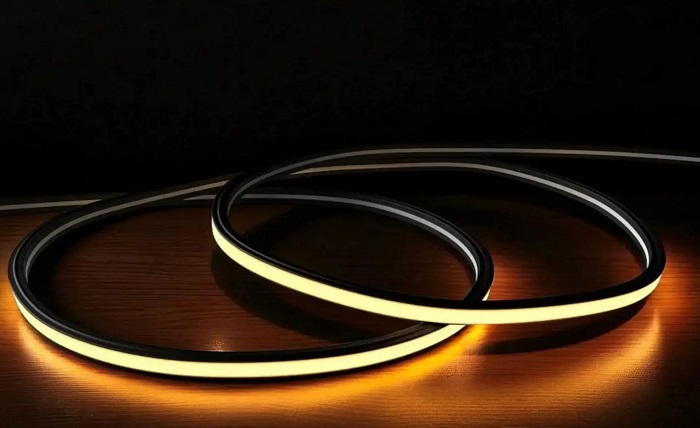
As smart homes and personalized living spaces become increasingly common, LED strip lighting has evolved from a decorative accessory into an essential part of residential lighting design. Homeowners today expect more than simple illumination—they want lighting systems that can adapt to different activities, moods, and family needs while remaining energy-efficient and reliable.
For lighting brands, distributors, and home improvement companies, selecting the right OEM LED strip lights manufacturer is a critical step in delivering products that meet these expectations. While many discussions focus on pricing or aesthetics, the real value often lies in engineering details that directly influence how lighting performs in everyday family environments.
This article explores several technical considerations that are particularly relevant to home and family applications, using RGBW LED strip technology as an example of how modern lighting solutions are evolving.
The Changing Role of LED Strip Lighting in Family Homes
A decade ago, LED strips were primarily used for accent lighting behind televisions or under kitchen cabinets. Today, they serve a much broader purpose. Families are integrating LED strips into living rooms, bedrooms, home offices, staircases, children’s study areas, and even outdoor entertainment spaces.
The challenge is that a single household may require different lighting conditions throughout the day.
In the morning, bright illumination can help family members prepare for work and school. During the evening, softer and warmer lighting may create a more relaxing atmosphere. On weekends or holidays, colorful lighting effects can enhance celebrations and social gatherings.
Traditional lighting systems often struggle to provide this level of flexibility. This is one reason why RGBW LED strip technology has gained popularity in residential applications.
Why RGBW Matters in Home Environments
One common limitation of standard RGB LED strips is their inability to produce truly comfortable white light.
While RGB LEDs can mix colors to approximate white, the result often lacks the warmth and consistency needed for everyday household activities. Reading, cooking, studying, and relaxing generally require a dedicated white light source rather than color-mixed illumination.
This is where RGBW technology offers a practical advantage.
By combining RGB LEDs with a dedicated Warm White channel, homeowners gain access to both dynamic color effects and comfortable daily lighting from a single lighting system.
For example, family members might choose warm white lighting during dinner, switch to brighter settings for homework sessions, and then use colorful RGB effects for birthday parties or movie nights.
Instead of installing separate decorative and functional lighting systems, RGBW strips allow both purposes to coexist within one solution.
From an engineering perspective, this integration simplifies installation while improving overall versatility.
The Importance of 24V DC Systems in Residential Projects
Voltage selection is often overlooked by consumers, but it plays an important role in lighting performance.
Many residential LED strip products operate on either 12V DC or 24V DC systems. For larger installations commonly found in modern homes, 24V configurations often provide several practical advantages.
Long runs of LED strips can experience voltage drop, causing brightness to decrease toward the end of the strip. This issue becomes more noticeable in applications such as:
- Cove lighting around large living rooms
- Continuous hallway lighting
- Long kitchen cabinet installations
- Home theater perimeter lighting
Using a 24V DC system helps reduce voltage drop compared with lower-voltage alternatives, allowing more consistent brightness across longer distances.
For families investing in integrated lighting systems throughout their homes, this consistency contributes significantly to overall visual comfort.
It also reduces the need for additional power injection points, which can simplify installation and maintenance.
These practical benefits explain why many professional lighting designers prefer 24V DC LED strip solutions for residential projects that extend beyond small decorative installations.
Understanding Power Requirements in Real Homes
Another important consideration is power capacity.
A high-performance RGBW LED strip may reach a maximum power rating of 88W per reel. While this specification may seem purely technical, it has direct implications for real-world home applications.
Higher power capacity generally enables stronger illumination and more vibrant color output when needed. This becomes particularly useful in multipurpose family spaces where lighting needs frequently change.
For example, a family room may function as:
- A workspace during the day
- A study area in the afternoon
- A dining environment in the evening
- An entertainment zone at night
Each activity benefits from different lighting characteristics.
A properly designed RGBW system can support these varying requirements without requiring multiple independent lighting fixtures.
However, higher-performance systems also require careful power supply planning. An experienced LED tape light manufacturer understands the importance of matching strip power requirements with suitable drivers, controllers, and thermal management strategies.
This engineering approach helps ensure long-term reliability rather than focusing solely on maximum brightness figures.
Creating Comfortable Lighting for Different Family Members
Lighting preferences often vary among family members.
Children may prefer brighter environments for studying and creative activities. Adults working from home often need consistent task lighting. Elderly family members frequently benefit from lighting systems that improve visibility and reduce eye strain.
A flexible RGBW solution allows households to customize lighting according to individual needs without major infrastructure changes.
Warm white lighting can create a relaxing atmosphere in bedrooms and living areas, while color-changing capabilities can support entertainment, gaming, seasonal decorations, and family celebrations.
The ability to adapt lighting to different users and situations is becoming an increasingly important design consideration in modern homes.
Rather than viewing LED strips as decorative products, many homeowners now see them as tools for improving comfort, functionality, and overall living experience.
Why Manufacturing Expertise Still Matters
As the residential lighting market becomes more competitive, product quality differences are often found in areas that consumers cannot immediately see.
PCB design, component selection, thermal performance, power management, and manufacturing consistency all influence how a lighting system performs over time.
For brands sourcing private-label products, selecting an OEM LED strip lights manufacturer involves more than comparing catalogs. The manufacturer’s technical capabilities directly affect product reliability, installation experience, and long-term customer satisfaction.
Engineering decisions made during product development often determine whether a lighting system continues performing well after years of daily family use.
This is particularly important in residential environments, where homeowners expect lighting products to operate reliably with minimal maintenance.
Conclusion
The growing demand for personalized home lighting has transformed LED strip technology from a decorative accessory into an essential component of modern residential design.
When evaluating an OEM LED strip lights manufacturer, it is important to look beyond basic specifications and consider how engineering choices influence real-world family applications. Features such as RGB plus Warm White functionality, 24V DC operation, and properly managed power capacity can significantly improve lighting flexibility, comfort, and performance throughout the home.
As families continue seeking lighting solutions that support work, relaxation, entertainment, and everyday living, manufacturers that understand these practical requirements will play an increasingly important role in shaping the future of residential lighting.