
4 Approaches Dentists Use For Patients With Behavioral Challenges
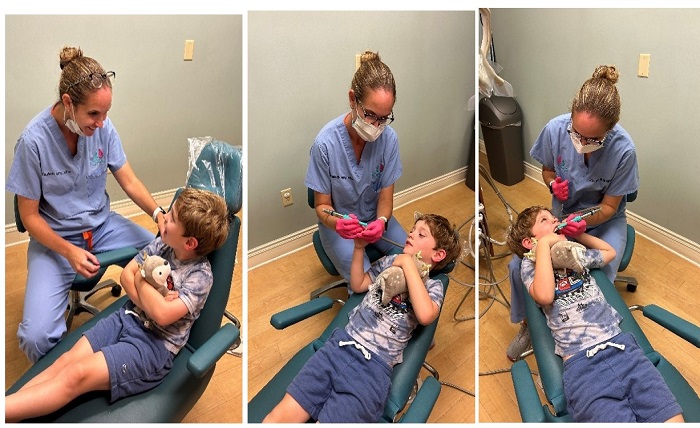
Behavioral challenges can turn a simple dental visit into a storm of fear, resistance, and exhaustion for you and your child. You may feel judged. You may leave appointments shaken and unsure where to turn next. Dentists see this pain every day. Many now use clear, structured methods that protect your child’s safety and dignity. This blog explains four approaches that support patients who struggle with anxiety, sensory overload, or communication limits. You will see how careful planning, patient coaching, and environmental changes can calm tense visits. You will also learn where options like sedation dentistry for special needs in San Jose fit into a larger care plan. Each approach has strengths and limits. You deserve to understand them. With the right information, you can ask sharper questions, push for safer choices, and help your child face dental care with less fear and more control.
1. Behavior guidance and clear routines
You and your child need structure. Predictable steps reduce fear. Many dentists now use behavior guidance plans that rely on three simple tools.
- Tell show do. The dentist first explains each step in plain words. Next, the dentist shows the tool or action. Then the dentist does the step.
- Visual supports. Picture cards, storyboards, or simple written lists show what will happen first, next, and last.
- Short visits. Early visits may only include a chair ride, tooth counting, and a quick polish.
You can ask the office to share the routine before the visit. You can also bring your own visual schedule that matches your child’s needs. Many children respond well when you practice at home with a toothbrush, a mirror, and a timer.
The American Academy of Pediatric Dentistry explains these methods and why they protect your child’s safety and rights on its behavior guidance page.
2. Sensory-friendly changes in the office
Bright lights, loud drills, and strong smells can overwhelm a sensitive child. Many behavioral outbursts come from sensory overload, not from “bad behavior.” You can work with the dentist to reduce triggers.
- Control sound. Ask for quiet times of day. Use headphones with music or white noise.
- Control light. Request dimmed lights and sunglasses.
- Control touch. Ask the team to warn before each touch. Use weighted blankets or lead aprons when safe.
You may also ask for a “social story” tour before treatment. Some offices offer a quick walk through the space so your child can see the chair, meet staff, and leave without any treatment. This builds trust and reduces shock during real care.
The National Institute of Dental and Craniofacial Research offers free guides for patients with disabilities and sensory challenges at NIDCR developmental disabilities oral health. You can print these guides and bring them to your dentist.
3. Positive reinforcement and coping tools
Children with behavioral challenges often hear “no” all day. Dental visits can add more shame and conflict. A different approach focuses on what your child does well.
Many dentists now use three core supports.
- Specific praise. The dentist names the exact action. For example, “You kept your hands on your tummy for ten seconds. That helped a lot.”
- Reward systems. Stickers, tokens, or a small toy after meeting a clear goal, such as keeping the mouth open for a count of five.
- Coping tools. Stress balls, fidget toys, or a soft towel for squeezing. Simple breathing games, like blowing through a straw, can also help.
You can set one small goal before each visit. You can say, “Today we only focus on sitting in the chair for two songs.” Success builds step by step. Over time, your child may move from short cleanings to more complex treatment without panic.
4. Medication and sedation options
Sometimes, behavior guidance and sensory changes are not enough. Your child may still show severe fear or aggressive reactions. In those cases, dentists may suggest medication support. This choice needs careful thought.
Common options include the following.
- Pre-visit medicine by mouth. A doctor may prescribe a small dose to reduce anxiety before the appointment.
- Minimal or moderate sedation. Medicine given by mouth or through a mask can help your child feel relaxed and sleepy but still respond to touch and voice.
- Deep sedation or general anesthesia. Your child sleeps through the visit under close monitoring, often in a hospital or surgery center.
You must ask about safety training, emergency plans, and monitoring tools for any sedation. You should also ask how often the dentist uses these methods with patients who have similar needs to your child. No choice is perfect. This approach may be right when your child needs urgent care, has strong self-injurious behavior, or cannot understand instructions.
Comparing four approaches
| Approach | Main goal | Best for | Key benefits | Key limits
|
|---|---|---|---|---|
| Behavior guidance and routines | Increase predictability | Children who can follow simple steps | Builds long-term skills. Reduces fear over time. | Needs time and repeated visits. |
| Sensory friendly changes | Reduce overload | Patients with strong sensory triggers | Lowers meltdowns. Supports comfort. | Cannot remove all sounds or smells. |
| Positive reinforcement and coping tools | Increase cooperation | Children who respond to praise or rewards | Builds trust. Encourages small wins. | May not work in crisis or severe pain. |
| Medication and sedation | Allow needed treatment | Patients with severe fear or unsafe behavior | Enables complex care in one visit. | Carries medical risk. Needs special training. |
How to speak up for your child
You know your child best. You see patterns that the dentist cannot see in one visit. Before the appointment, write down three things.
- Biggest triggers such as noise, bright light, or waiting.
- Soothing tools that work at home, such as a favorite toy or song.
- Past medical events that changed your child’s trust in doctors.
Share this list with the office staff before the visit. Ask for extra time on the schedule. Ask which of the four approaches they already use and which they are open to trying. You have the right to clear answers. You have the right to pause care if your child shows distress that feels unsafe.
With a plan that blends structure, sensory support, positive feedback, and careful use of medication when needed, dental visits can shift from chaos to control. You and your child deserve that change.