
How Medical Spas Customize Treatment Plans For Different Skin Types
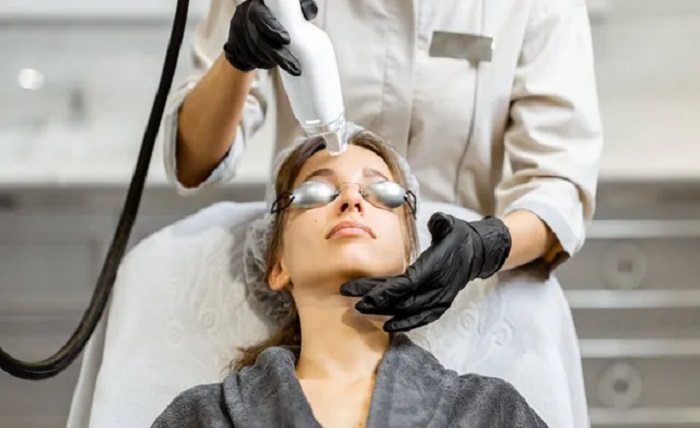
Your skin tells a story that no one else shares. You may see lines, dark spots, redness, or scars, and feel tired of guessing what will help. Medical spas study your skin type and skin history so your treatment plan is not a gamble. You get a clear path. Staff looks at your skin tone, oil level, sensitivity, and past damage. Then they match you with safe options like gentle peels, laser work, or micro needling treatments in Buffalo Grove. Each step aims to protect your skin barrier, not punish it. This blog explains how medical spas sort dry, oily, mixed, and sensitive skin. It shows how they adjust strength, timing, and products so your skin can heal. You gain plain facts. You also gain questions to ask so you can walk into any medical spa with calm, not fear.
How Staff Learn Your Skin Story
First, staff listen. They ask what bothers you most. They also ask what you tried before and what went wrong. That history matters more than any ad or trend.
Next, they study your skin under bright light. Some use special lamps to see sun damage and clogged pores. They look for three things.
- Oil level and shine
- Redness and swelling
- Dark spots, scars, and wrinkles
They may ask about health, medicines, and hormones. Sun habits and smoking also matter. These facts help staff avoid harsh choices that can burn or stain your skin.
Basic Skin Types And What They Need
Most treatment plans start with your main skin type. The four main groups are dry, oily, mixed, and sensitive. Each type needs a different path.
Common Skin Types And Typical Spa Choices
| Skin type | Common signs | Goals | Common spa choices |
|---|---|---|---|
| Dry | Flakes, tight feel, dull tone | Protect barrier, add moisture, calm itch | Gentle hydrating facials, light peels, mild lasers |
| Oily | Shine, clogged pores, breakouts | Clear pores, balance oil, prevent scars | Deep pore cleansing, stronger peels, oil control facials |
| Mixed | Oily T zone with dry cheeks | Balance, treat zones, avoid over drying | Zone-based masks, custom peels, careful product mix |
| Sensitive | Redness, sting, easy rash | Calm skin, reduce flare-ups, protect barrier | Soothing facials, very light peels, gentle lasers |
You may fit more than one group. That is normal. Staff treats the oiliest and driest spots as separate tasks.
How Skin Color Changes The Plan
Skin color affects how you handle the sun and heat. It also affects the risk of dark spots after treatment. The Fitzpatrick scale helps staff rate how skin reacts to the sun.
For lighter skin, staff can often use stronger peels and lasers. There is still a risk of burn. Yet the risk of dark spots after treatment is lower.
For medium and dark skin, staff often use lower strength and longer gaps between visits. They avoid some lasers and deep peels that can trigger dark patches or light spots. They may favor microneedling, gentle peels, and careful use of energy devices.
Matching Treatments To Common Concerns
Most visits start with one main concern. Staff then shape the plan around that concern and your skin type.
- Acne and clogged pores. Oily or mixed skin may get deep cleansing, salicylic peels, and extractions. Sensitive skin may need slower work with fewer extractions and milder peels.
- Fine lines and rough texture. Dry skin may get light peels, hydrating masks, and gentle lasers. Oily skin may handle stronger peels and more frequent sessions.
- Dark spots and sun damage. Staff often mix peels, brightening serums, and sun care. Darker skin may need lower strength and longer breaks between visits.
- Redness and rosacea. Plans focus on calm, not scrub. Staff use soothing treatments and avoid heat or strong scrubs that can trigger a flare.
The National Institutes of Health explains common skin conditions in this overview of skin conditions. You can use that guide when you talk with spa staff.
How Medical Spas Adjust Strength And Timing
Every tool can help or harm. The difference is strength and timing. Staff change both based on your skin response.
- Strength. They adjust peel acids, laser energy, and needle depth. Dry or sensitive skin often starts low. Oily or thick skin may start higher.
- Timing. They set gaps between sessions. Short gaps push faster change, but can stress skin. Longer gaps protect the barrier and suit sensitive or darker skin.
- Order. They choose what comes first. Often, they fix the barrier, then treat spots or wrinkles, then focus on scars.
Routine care is more effective after treatment. Staff will often set a simple home plan so your results last.
How Age And Health Shape The Plan
Age changes how skin heals. Young skin often recovers fast. Older skin takes more time. Staff may use fewer strong peels and more gentle support as you age.
Health also matters. Some medicines raise sun risk. Some slow healing. Autoimmune disease, pregnancy, and past keloid scars all need care. You must share these facts. That honesty keeps you safe.
Questions To Ask Before You Start
You deserve clear answers. Use these three question sets.
- About your skin. What skin type do you see on me? How does my skin color change my risks? What is my main goal for the first three months.
- About the plan. What treatments do you suggest first? How many sessions do you expect? What side effects are common with my skin type?
- About safety. What should I avoid before and after each visit? How will you adjust if my skin reacts? Who do I call if I see a strong burn, blister, or swelling?
Key Takeaways For You And Your Family
Your skin type, skin color, and health shape every safe plan. No single treatment fits all. A good medical spa listens, looks, and then customizes.
When you know your skin story, you can ask better questions. You can also teach your family to protect their skin early with shade, sunscreen, and gentle care. That shared effort protects both comfort and confidence for years.