Create a Cozy Retreat with King and Queen Comforter Sets
Your bedroom is more than just a place to sleep — it’s your personal sanctuary, a space where the day’s stress melts away and genuine relaxation begins. The right environment makes all the difference, and nothing shapes that environment quite like the bedding you choose. King and queen comforter sets sit at the heart of this transformation, serving as both a comfort essential and a defining design element that ties your entire room together.
A well-chosen comforter set does double duty for homeowners: it elevates the visual appeal of the bedroom while directly contributing to a better night’s sleep. From rich textures and coordinated colors to breathable materials and cozy fills, the right set can turn an ordinary bedroom into a retreat you genuinely look forward to returning to each evening.
So, take a moment to consider your current bedding setup — does it reflect your style, and does it truly support restful sleep? If the answer is uncertain, you’re in the right place. This guide walks you through everything you need to know about selecting, styling, and maintaining the perfect king or queen comforter set, helping you craft a bedroom that feels as good as it looks.
The Foundational Role of Bedding in Bedroom Decor
Walk into any well-designed bedroom, and your eyes instinctively land on the bed first. That’s no accident. The bed occupies the most visual real estate in the room, and the bedding draped across it sets the tone for everything else — the wall color feels warmer or cooler, the furniture looks more or less intentional, and the overall ambiance shifts dramatically based on what’s covering that mattress. In this way, bedding functions as the anchor of your entire bedroom design, not just an afterthought.
For homeowners who want a space that feels both stylish and inviting, the comforter set is the single most impactful design choice in the room. A rich, jewel-toned set can make a neutral space feel luxurious and bold. A soft, muted palette with subtle texture creates a calming, spa-like atmosphere. The pattern you choose — whether geometric, floral, or solid — communicates your personal aesthetic and establishes a visual rhythm that other decor elements can follow. Accent furniture, curtains, and rugs all become easier to coordinate once the bedding is in place.
Beyond pure aesthetics, the right bedding also shapes how a room feels emotionally. Layered textures signal warmth and comfort, while clean, streamlined sets suggest order and calm. Investing thoughtfully in your bedding isn’t just about appearances — it’s about creating a space that genuinely reflects who you are and how you want to feel when you walk through that door.
Understanding King and Queen Comforter Sets: Sizes and Components
A comforter set is more than just a single piece of bedding — it’s a coordinated collection designed to dress your bed completely. Most sets include a comforter as the centerpiece, paired with matching pillow shams that cover your sleeping pillows, and often a bed skirt that conceals the box spring and frame for a polished, finished look. Some sets also include decorative accent pillows, giving you everything needed to style the bed right out of the package.
Getting the size right is essential. A queen comforter set is designed for mattresses measuring approximately 60 by 80 inches, while a king set accommodates the larger 76 by 80 inch frame. Using the wrong size creates an awkward fit — too much overhang or insufficient coverage — which undermines both comfort and appearance. California king beds require their own specific sizing, so always verify dimensions before purchasing.
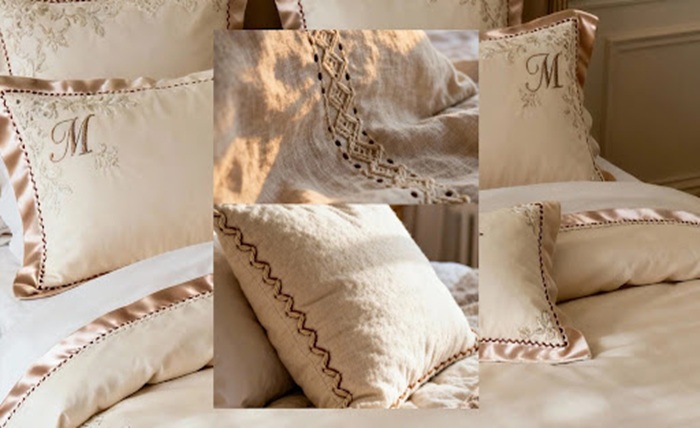
The term decorative comforter set captures what modern bedding has evolved into: a design-forward product that balances visual impact with everyday function. Brands like highbedding have built their collections around this principle, offering sets that span tailored solids and bold prints to intricate embroidered patterns, making it easy to match any bedroom aesthetic. As for materials, cotton and microfiber covers are the most common, offering breathability and softness respectively, while fills range from natural down — prized for its loft and warmth — to synthetic alternatives that work well for allergy-sensitive sleepers.
How to Choose the Right Decorative Comforter Set: A Step-by-Step Solution
Step 1: Assess Your Personal Style and Bedroom Theme
Before browsing options, take an honest look at your existing bedroom — the furniture finish, wall color, and any decor pieces already in place. A modern minimalist space calls for clean lines, solid tones, or subtle geometric patterns that reinforce a sense of order. Rustic or farmhouse-style rooms benefit from textured weaves, earthy tones, or classic plaid designs that feel grounded and warm. If your space leans traditional, damask or floral prints in rich colors add a timeless elegance. Your comforter set should feel like a natural extension of the room, not a competing statement.
Step 2: Evaluate Materials for Comfort and Durability
The fabric covering your comforter directly affects how it feels against your skin and how long it holds up. Cotton is breathable, durable, and gets softer with each wash — a reliable choice for year-round use. Microfiber offers a silky feel at a more accessible price point and resists wrinkles well, though it breathes less freely. Linen brings natural temperature regulation and a relaxed, lived-in texture that suits casual aesthetics. For the fill, down delivers exceptional warmth and loft but may trigger allergies in sensitive sleepers. Synthetic fills — typically polyester — mimic down’s softness while remaining hypoallergenic and easier to launder at home.
Step 3: Ensure Proper Sizing and Fit for King or Queen Beds
Even the most beautiful comforter set falls short if it doesn’t fit correctly. Measure your mattress dimensions and factor in its depth, especially if you’re using a pillow-top or thick memory foam mattress, which can add several inches of height. A standard queen set typically offers a drop of around 18 to 21 inches on each side, but deeper mattresses may require an oversized queen for adequate coverage. For king beds, confirm whether you need a standard king or California king — these are distinctly different sizes and not interchangeable.
Styling Techniques with Throw Pillows and Duvet Covers
Once your comforter set is in place, throw pillows are the easiest way to add depth, personality, and visual interest to the bed. The key is layering intentionally — start with your standard sleeping pillows in their shams, then add a row of slightly smaller decorative pillows in front, and finish with one or two accent pillows in a contrasting texture or shape. Mixing materials like velvet, linen, and knit creates a tactile richness that makes the bed feel genuinely inviting rather than flat and staged. When combining patterns, follow a simple rule: pair one bold print with one subtle texture and one solid to keep the arrangement cohesive rather than chaotic.
Duvet covers offer a different kind of flexibility — they protect your comforter from daily wear while giving you the freedom to completely refresh your bedroom’s look without replacing the entire set. Swapping a duvet cover seasonally is a cost-effective way to shift from warm, cozy tones in winter to lighter, airier palettes in summer. When selecting a duvet cover to complement your existing comforter set, pull a secondary color from the comforter’s pattern and make it the dominant tone of the cover. This creates a layered, designer-quality look that feels intentional and polished throughout the entire space.
Improving Sleep Quality with Comfortable Bedding Solutions
The connection between your comforter set and sleep quality runs deeper than simple comfort — the materials and construction of your bedding directly influence how well your body regulates temperature throughout the night. Overheating is one of the most common disruptors of deep sleep, which is why breathability matters as much as softness. Cotton and linen covers allow air to circulate freely, preventing the buildup of heat that pulls you out of restful sleep cycles. If you tend to sleep warm, a lightweight comforter with a breathable fill will serve you far better than a dense, heavy alternative, regardless of how luxurious it looks.
Fill weight, often expressed as fill power for down products, determines how much insulating warmth a comforter delivers. A higher fill power means more loft and warmth with less overall weight — a combination that feels indulgent without becoming stifling. For households with allergy sensitivities, synthetic fills offer a practical solution. Modern polyester alternatives have closed the gap considerably with natural down in terms of softness and loft, while remaining fully hypoallergenic and machine washable, which supports a cleaner sleep environment overall.
For couples who share a king bed but have different temperature preferences, a dual-fill comforter — with lighter fill on one side and heavier on the other — addresses the compromise without sacrificing comfort for either sleeper. Ultimately, treating your comforter as a sleep tool, not just a decorative layer, ensures your bedroom works harder for your wellbeing every single night.
Care and Maintenance for Long-Lasting Comforter Sets
A quality comforter set is an investment worth protecting, and proper care makes the difference between bedding that stays beautiful for years and one that fades or loses its loft after a few seasons. Always check the care label before washing — most cotton and microfiber comforters are machine washable, but down-filled sets may require a gentle cycle with a mild detergent and an extra rinse to remove all soap residue. Use a large-capacity machine to allow the fill to move freely, preventing clumping. When drying, low heat is essential; add two or three clean tennis balls to the dryer to help restore loft and prevent the fill from settling unevenly. For storage between seasons, avoid plastic bags that trap moisture — instead, use a breathable cotton storage bag and keep it in a cool, dry space. Pillow shams and decorative covers benefit from washing every two to four weeks, while the comforter itself typically needs laundering every two to three months under normal use. Spot-clean minor stains promptly to avoid set-in marks that require more aggressive treatment later. Consistent care preserves both the visual appeal and the functional warmth of your set, ensuring it continues to anchor your bedroom beautifully season after season.
Transform Your Bedroom with the Right Comforter Set
Creating a bedroom that genuinely feels like a retreat comes down to making intentional choices — and the comforter set you choose sits at the center of that effort. Throughout this guide, we’ve explored how the right king or queen comforter set shapes your room’s visual identity, supports more restful sleep, and reflects your personal style in a way no other single piece of bedding can. From selecting materials that match your comfort needs to layering throw pillows and duvet covers for a polished, designer-quality look, each decision builds toward a space that works both aesthetically and functionally.
The good news is that transforming your bedroom doesn’t require a complete overhaul. Start with the bedding — get the size right, choose materials that suit your sleep habits, and select a style that feels authentically yours. From there, the rest of the room naturally falls into place. Maintain your investment with consistent care, and it will continue delivering comfort and beauty for years to come.
Now is the perfect time to take that first step. Revisit your current bedroom with fresh eyes, apply the guidance here, and invest in a comforter set that turns your bedroom from simply functional into genuinely restorative. You deserve a space that welcomes you home every single night.