Are Bigger Cars Always Better? Rethinking the SUV Trend
For years, the automotive market has been driven by a simple idea—bigger is better. Larger SUVs have been associated with stronger road presence, more space, and a sense of status. This perception has influenced buying decisions across segments, leading to a surge in demand for bigger vehicles.
However, as driving conditions, urban lifestyles, and buyer expectations evolve, this idea is being re-evaluated. Today, many buyers are beginning to question whether bigger cars are always the better choice.
The Appeal of Bigger Cars
The popularity of larger SUVs is not without reason. They offer several advantages:
- More cabin space and seating capacity
- Higher ground clearance
- Strong road presence
- Better suitability for long-distance travel
These factors make them appealing, especially for families and highway usage. In many cases, they also provide a sense of safety and confidence.
The Challenges of Size in Urban Environments
While larger cars offer benefits, they also come with practical challenges—especially in cities.
Urban driving conditions often include:
- Narrow roads
- Heavy traffic
- Limited parking space
In such scenarios, bigger vehicles can become difficult to manoeuvre and park. This reduces convenience in daily use, which is a key consideration for many buyers.
Compact cars, on the other hand, offer greater ease of handling and adaptability in these environments.
Changing Definition of Practicality
Practicality is no longer defined solely by size.
Modern buyers are increasingly looking for cars that:
- Are easy to drive and park
- Offer efficient use of space
- Provide comfort without unnecessary bulk
This has led to the rise of compact SUVs and micro-SUVs that combine SUV-like characteristics with smaller dimensions.
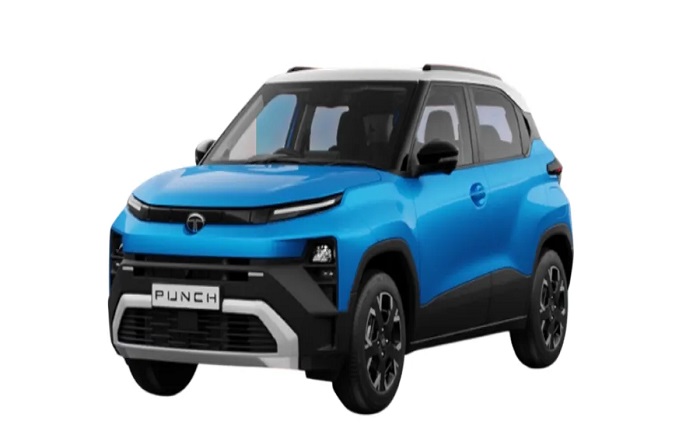
Cars like the Tata Punch demonstrate this shift by offering a compact footprint and features typically associated with larger SUVs
The Role of Smart Design
Design innovation has played a key role in reducing the importance of size.
Automakers now focus on creating cars that feel larger without actually increasing dimensions. This is achieved through:
- Upright stance and higher seating position
- Bold exterior design
- Efficient cabin layouts
For instance, the Punch uses elements such as a strong front design, roof rails, and a high stance to create a commanding presence while remaining compact.
This approach allows buyers to enjoy the benefits of an SUV without the challenges of a large vehicle.
Capability Beyond Size
Another reason why size is being re-evaluated is the improvement in the capability of smaller cars.
Features such as higher ground clearance and improved suspension systems enable compact vehicles to handle a variety of road conditions.
With a ground clearance of around 193 mm, the Punch is designed to tackle rough roads while maintaining ease of use in city conditions.
This shows that capability is no longer limited to larger vehicles.
Cost and Efficiency Considerations
Bigger cars often come with higher costs—both upfront and over time.
These include:
- Higher purchase price
- Increased fuel consumption
- Higher maintenance expenses
Compact cars offer a more cost-effective alternative, making them attractive for buyers who prioritise value and efficiency.
The Experience Factor
Modern car buying is increasingly driven by experience rather than just specifications.
Buyers now consider:
- Driving comfort
- Ease of use
- Interior quality
- Technology features
A well-designed compact car can deliver a satisfying experience without requiring a larger size.
The Punch’s spacious interior, digital cockpit, and modern features highlight how smaller cars can offer a complete driving experience.
Rethinking the SUV Trend
The growing popularity of compact SUVs suggests that the market is moving towards a more balanced approach.
Instead of choosing the biggest vehicle available, buyers are now selecting cars that best fit their needs.
This shift reflects a broader trend:
- From size-driven decisions to usability-driven decisions
- From status to practicality
- From excess to efficiency
Role of Digital Platforms in Buyer Decisions
As buyers explore these options, online car-buying platforms like ACKO Drive play a key role in helping them make informed decisions.
By providing detailed comparisons, insights, and ownership information, such platforms allow users to evaluate whether a larger car is truly necessary or whether a smaller alternative can better meet their needs.