
Professional Stretchers Built for Comfort and Safety
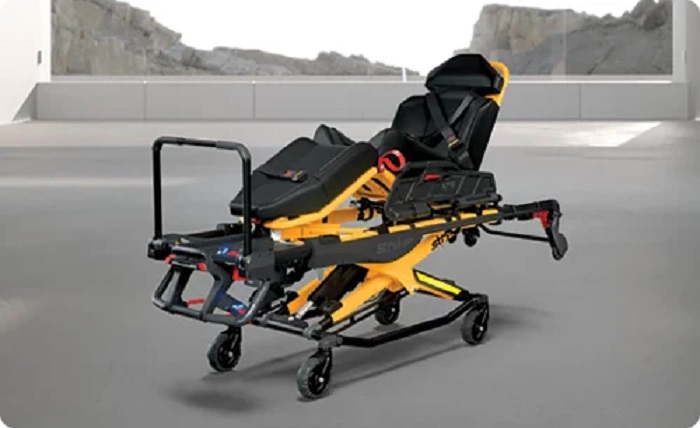
Choosing the right professional stretcher is a decision that affects patient comfort, staff safety, workflow efficiency, and long-term operating costs, which is why many buyers evaluate options from established suppliers like Stretchers R Us early in the process. Whether a buyer manages an EMS fleet, runs a hospital ward, or outfits an ambulatory surgery center, the stretcher selected will be used hundreds, sometimes thousands, of times each year. This buyer’s guide walks through the features and trade-offs that matter in 2026: comfort elements that reduce pressure injuries and agitation, safety and regulatory considerations that protect institutions from liability, the stretchers best suited to specific use cases, and how to evaluate total cost of ownership. It is written for decision-makers who must balance clinical outcomes with procurement budgets and operational realities.
Why Choosing The Right Professional Stretcher Matters
Decisions about patient-moving equipment ripple across clinical care, staff ergonomics, and financial performance. A well-specified professional stretcher reduces patient discomfort, lowers the risk of pressure ulcers, and shortens transfer times, all of which improve throughput. For staff, features like optimal wheel systems, convenient height adjustment, and intuitive brakes lower musculoskeletal strain and worker’s compensation claims. From a procurement perspective, the right stretcher reduces repair downtime and replacement costs, and helps satisfy accreditation and safety audits.
Buyers should view a stretcher not as a single-line item purchase but as a durable clinical asset. That means prioritizing evidence-backed comfort technology (memory foam or alternating pressure interfaces where indicated), robust safety systems, and compatibility with existing devices (imaging, lifts, restraint systems). In many care settings, the stretcher becomes a focal point for patient experience and an underappreciated lever for operational efficiency.
Core Comfort Features To Look For
Comfort directly affects clinical outcomes. Patients who are comfortable are less agitated, easier to image, and more cooperative during transports. The following comfort features should be non-negotiable when evaluating professional stretchers.
Ergonomic Surfaces And Mattresses
Mattress design is more than padding thickness. Ergonomic surfaces that distribute pressure and reduce shear are proven to lower risk of pressure injuries during extended stays on a trolley. High-quality foam cores, viscoelastic layers, or air-cell technology are common choices. Buyers should match mattress selection to anticipated use: thicker, pressure-relieving mattresses for long transfers or bariatric patients: low-profile, radiolucent options for imaging suites. Removable, seam-free covers with welded seals support infection control without sacrificing comfort.
Adjustable Backrests, Headrests, And Padding
Adjustability matters for comfort and clinical access. Backrests that recline smoothly and lock securely enable semi-Fowler and Trendelenburg positions during clinical assessment. Headrest tilt and modular padding help stabilize patients during procedures or transport. Look for mechanisms that adjust without excessive force (hydraulic, pneumatic, or electric), and that include clear position indicators for staff safety. Padding should be durable enough to resist compression set over time, otherwise, a once-comfy stretcher becomes a hard surface within months.
Noise, Vibration And Patient Flow Considerations
Noise and vibration degrade perceived comfort, especially for anxious or elderly patients. High-quality casters, shock-absorbing frames, and quiet braking systems reduce both. For settings with frequent corridor transfers, low-vibration designs improve patient experience and reduce motion artifacts for mobile imaging. Ergonomic handgrips and smooth-operating controls speed transfers and reduce interruptions to patient flow, a small time saving per transfer becomes meaningful over a day of high-volume moves.
Essential Safety Features And Standards
Safety is the primary function of clinical equipment. Professional stretchers must meet or exceed regional regulatory standards and include design features that prevent falls, unintentional movement, and other adverse events.
Restraints, Side Rails And Fall-Prevention Design
Effective fall-prevention starts with ergonomically designed side rails and clinically appropriate restraints. Rails should be easy to raise and lower with one hand, lock securely, and not obstruct necessary care access. Restraints need clear labeling and fast-release capabilities to comply with patient rights and emergency protocols. Design choices that reduce entrapment risk and provide unobstructed egress are essential for safe transfers and code situations.
Braking Systems, Wheels And Maneuverability
A predictable braking system is non-negotiable. Central locking brakes that engage all casters simultaneously reduce rollaway incidents. Wheels with maintenance-friendly bearings and soft treads improve grip on different floor surfaces. Maneuverability features, four-wheel steering, steer assist, and optimized wheelbase, reduce the force required to turn and lower staff injury risk. Buyers should test stretchers on the typical surfaces found in their facility (wet floors, ramps, tight corners) before committing.
Weight Capacity, Bariatric Options And Structural Integrity
Structural integrity and rated weight capacity must match the patient population. Bariatric stretchers with reinforced frames, wider decks, and higher-rated lifting mechanisms are required in many modern hospitals. Pay attention to dynamic load ratings (how much weight the stretcher safely supports during movement or incline) not just static capacity. Look for frames built from corrosion-resistant alloys and welds that meet medical-device standards to extend service life.
Types Of Professional Stretchers And Typical Use Cases
Different care settings demand different stretcher types. Choosing the right class ensures clinical fit and avoids costly mismatches.
Emergency And Ambulance Transport Stretchers
EMS and ambulance stretchers prioritize rapid deployment, secure locking systems, and compatibility with vehicle-mounted locking mechanisms. Lightweight, foldable designs that integrate with stair chairs and have adjustable retention straps reduce extrication time. Shock absorption and immobilization interfaces (board compatibility) are important for prehospital trauma care.
Transport And Ward Stretchers For Routine Moves
Ward and transport stretchers are workhorses designed for frequent patient moves within a facility. They favor user-friendly height adjustment (to minimize lifting), durable mattresses that withstand repeated cleaning, and accessories like IV poles and oxygen canopies. For high-throughput wards, units with quick-fold side rails and compact turning radii are preferred.
Surgical, Imaging-Compatible, And Specialty Stretchers
Operating rooms and imaging suites require specialty stretchers that integrate with OR tables or are radiolucent for CT/MRI compatibility. Surgical stretchers often include articulation to support lithotomy or reverse Trendelenburg positions and modular attachments for anesthesia or instrument trays. Specialty stretchers exist for pediatrics, neonatal transport, and bariatric imaging, match the stretcher’s interface points and materials to the clinical devices it will pair with.
How To Evaluate Cost, Value, And Total Cost Of Ownership
The sticker price is just the start. Total cost of ownership (TCO) includes maintenance, consumables, downtime, and the indirect costs of staff injury or patient adverse events.
New Versus Refurbished Options And Warranty Considerations
Buying new offers the latest safety features and longer warranties but at higher upfront cost. Refurbished stretchers can be cost-effective if sourced from reputable vendors who provide full inspection reports, OEM parts, and warranties. Regardless of choice, buyers should negotiate multi-year service agreements and quick-response times for critical repairs. Warranties that cover electronics and hydraulics add meaningful value in the long run.
Accessories, Modular Upgrades, And Interoperability
Accessories, mattress upgrades, oxygen carriers, IV poles, side rails, and transfer board adapters, add both utility and cost. Modular systems that allow field upgrades extend a stretcher’s useful life and reduce replacement cycles. Interoperability with existing lifts, immobilization devices, and hospital bed systems reduces one-off adapter costs and streamlines staff training. When modeling TCO, include consumables, scheduled maintenance, and the expected service life.
Maintenance, Cleaning Protocols, And Regulatory Compliance
Maintenance and infection control are cornerstones of a safe, long-lasting stretcher fleet. Facilities should adopt documented protocols that balance thorough cleaning with keeping equipment in service.
Daily And Preventive Maintenance Best Practices
Daily checks should include brake function, caster condition, mattress integrity, and visual inspection of welds and mountings. Preventive maintenance schedules that include lubrication points, caster replacement cycles, and inspection of adjustment mechanisms prevent failures. Digital maintenance logs improve auditability and help procurement teams spot recurring faults that indicate design mismatches.
Infection Control, Materials, And Disinfection Compatibility
Surfaces and covers must tolerate facility disinfectants without degrading. Seamless covers, quick-release mattress tops, and materials compatible with high-level disinfectants speed turnover and protect staff. Suppliers should provide validated cleaning instructions and compatibility lists for common agents (e.g., bleach, hydrogen peroxide vapor). In outbreak scenarios, compatibility with rapid-decontamination processes is critical.
Meeting Regulations And Documentation For Safety Audits
Stretcher lifecycle management includes maintaining manufacturer documentation, inspection records, and service histories for regulatory inspections. Devices often must comply with standards from regulatory bodies (e.g., FDA in the U.S., MDR in the EU) and local accreditation agencies. Procurement should request certificates of conformity and ensure traceability of repairs and parts.
Conclusion
Selecting professional stretchers in 2026 requires a blend of clinical judgment, operational foresight, and financial analysis. The best choices prioritize patient comfort with proven mattress and support technologies, incorporate safety features that reduce falls and staff injury, and align with the facility’s workflows and regulatory obligations. Evaluating total cost of ownership, including maintenance, accessories, and downtime, often reveals that a higher initial investment pays off through fewer repairs, lower injury claims, and better patient outcomes.
Procurement teams should pilot candidate models in real clinical scenarios, gather feedback from frontline staff, and require vendors to provide service-level commitments. Thoughtful specification and lifecycle management turn stretchers from a routine purchase into an asset that improves care, protects staff, and stabilizes operating budgets.