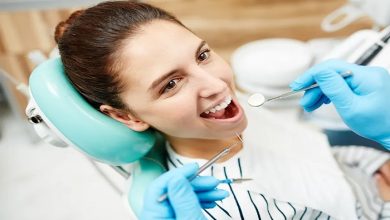
The Importance Of Regular Checkups After Implant Dentistry

Dental implants can feel like a fresh start. You finally eat, speak, and smile with less fear. Yet the work does not end once the implant is in place. Regular checkups protect your new tooth and your health. You face real risks without them. Infection can grow quietly. Bone can weaken. Small bite problems can turn into painful damage. A routine visit lets your dentist spot early warning signs. You then avoid urgent treatment and lost time. Each checkup also keeps the implant, crown, and gums clean and strong. You learn how to care for your mouth at home in simple steps. If you see a Green Bay cosmetic dentist, these visits can also keep your smile even and natural. Regular checkups are not extra. They are part of the implant.
Why regular checkups matter after implants
You trust your implants to work every day. You chew. You talk. You smile in photos. That constant use brings stress. A checkup is your safety check.
During these visits your dentist can:
- Check how the implant joins with bone
- Look for gum disease near the implant
- Test your bite on the implant and nearby teeth
Quiet problems often start in the gums. The National Institute of Dental and Craniofacial Research explains that gum disease can damage bone and teeth. The same is true for implants. Regular checkups give you a shield against that harm.
Common risks when you skip visits
Missing checkups can lead to three main problems.
- Gum infection around the implant. Red or tender gums can turn into loss of support for the implant.
- Bone loss. If bone pulls away from the implant, the implant can loosen.
- Bite stress. A high spot on the crown can crack teeth or strain your jaw.
Each problem often starts small. You may feel nothing. You may only notice a slight change in how your teeth touch. Without a visit, that small change can grow into pain or failure of the implant.
What happens during a checkup
A checkup after implant treatment is simple. It is also very focused. You can expect three main steps.
1. Review and questions
- Update of your health and medicines
- Questions about pain, bad taste, or loose parts
- Talk about home care and any trouble with cleaning
2. Exam and images
- Visual check of gums, tongue, and cheeks
- Gentle probe of gums near the implant
- Check of bite on the implant and other teeth
- X rays as needed to look at bone around the implant
3. Cleaning and small fixes
- Removal of plaque and hard buildup
- Polish of the crown so it feels smooth
- Tightening of screws or repair of chipped spots when needed
The Centers for Disease Control and Prevention notes that regular dental care lowers tooth loss. That same routine care protects your implants.
How often you should go
Your schedule may change over time. A common plan is:
- First year after implant placement. Checkups every three to four months.
- After the first year. Checkups every six months for most people.
- Higher risk cases. More often, if you smoke, have diabetes, or have gum disease.
Your dentist will guide you. You can ask about your personal risk and the best visit schedule.
Comparison of care with and without checkups
| Topic | With regular checkups | Without regular checkups
|
|---|---|---|
| Implant life | Higher chance of long term success | Higher chance of early failure |
| Gum health | Early treatment of infection | Silent gum disease and bone loss |
| Cost over time | Predictable costs for visits and cleanings | Sudden large bills for repair or replacement |
| Comfort | Stable bite and less jaw strain | Growing pain or trouble chewing |
| Appearance | Color and shape stay closer to natural teeth | Stains, chips, or shifting of nearby teeth |
How to care for implants between visits
Your daily habits fill the gap between checkups. Focus on three simple steps.
- Clean well every day. Brush twice a day with a soft brush. Use floss or small brushes made for implants.
- Protect from strain. Avoid using teeth to open packages. Use a guard at night if you grind your teeth.
- Watch for changes. Call your dentist if you see blood, swelling, or movement around the implant.
Small daily efforts keep the bone and gums ready for each visit. This teamwork between home care and checkups keeps your implant steady.
When to call sooner than planned
Do not wait for your next routine visit if you notice any of these signs.
- Throbbing or sharp pain near the implant
- Swelling or warmth in the gums
- Bad taste or pus near the implant
- Feeling that the implant or crown moves
- New trouble chewing on one side
Quick care at the first sign of trouble can often save the implant. Delay can turn a fixable problem into a loss of the implant.
Protect your investment and your health
Implants cost time, money, and courage. Regular checkups respect that effort. You gain steady comfort. You lower the risk of sudden pain. You guard your overall health, since a mouth infection can affect the rest of your body.
Schedule your next visit before you leave the office. Mark it on a calendar. Treat that date as you would a promise to your future self. Each checkup is one more step toward a strong, steady smile that lasts.