Why Clear Aligners Require Professional Oversight

Clear aligners promise straight teeth with little effort. The ads look easy. You click, you get trays, you wait for a new smile. Yet your mouth is not a simple product. It is bone, nerves, joints, and gum tissue that all react to pressure. Even small mistakes can cause loose teeth, gum loss, or jaw pain. You deserve more than guesswork. Clear aligners need careful planning, regular checks, and honest feedback from a trained dentist. That is why trusted care such as family dentistry in Harrisonburg VA matters so much. A dentist tracks movement, protects your bite, and steps in when something feels off. Clear aligners can work well. They only stay safe when a professional guides every stage.
What Clear Aligners Actually Do To Your Mouth
Clear aligners move teeth by putting steady pressure on them. Your teeth sit in bone. That bone changes shape as teeth move. Your gums and jaw joints respond too. This process can help or harm.
Without a full exam, you cannot know if your teeth and bone are strong enough for this pressure. You also cannot see hidden problems on your own. X rays and a full mouth check are the only way to find them.
Professional oversight protects three things.
- Tooth roots stay stable in the bone
- Gums stay firm and do not recede
- Jaw joints stay calm and pain-free
Risks When You Skip Professional Guidance
Mail-order or unsupervised aligners may look simple. They are not. The risks are quiet at first. By the time you feel pain, damage may already be hard to fix.
Common problems without oversight include three outcomes.
- Loose or drifting teeth because bone support thins
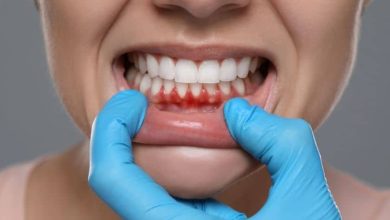
- Gum loss that exposes roots and causes sharp, cold pain
- Bite changes that trigger jaw pain or headaches
The American Dental Association warns that moving teeth without a full exam and in-person follow-up can lead to permanent harm. Teeth can even be lost. That is a high price for a quick fix.
Why A Full Exam Must Come First
Professional oversight starts before the first tray. A dentist or orthodontist completes three key steps.
- Reviews your health and dental history
- Takes X-rays, photos, and scans or molds
- Checks for decay, gum disease, and jaw joint issues
This exam shows if clear aligners are safe for you. Some problems need treatment first. Cavities, infections, or active gum disease can worsen if teeth start moving.
The dentist also measures how your teeth fit together when you bite. A poor bite can strain your jaw and wear teeth down. Any plan for aligners must protect or improve your bite, not just straighten front teeth for photos.
Ongoing Checkups Keep Treatment On Track
Teeth do not always move as planned. Your body responds in its own way. This is why regular checkups matter during aligner use.
At follow-up visits, the dentist can do three things.
- Check if teeth are tracking the plan or drifting off course
- Watch for early signs of gum trouble or root changes
- Adjust the plan if your mouth responds slower or faster
If you skip these visits, trays may keep pushing in the wrong direction. You might not see the change until your bite feels wrong or a tooth feels loose. A quick in-person visit can stop that slide early.
Clear Aligners Compared With Traditional Braces
Both clear aligners and metal braces move teeth. Each has strengths and limits. A professional can help you pick what fits your mouth and your life.
| Feature | Clear Aligners | Traditional Braces
|
|---|---|---|
| Appearance | Clear trays that are hard to see | Visible brackets and wires |
| Removability | Removable for eating and brushing | Fixed to teeth at all times |
| Cleaning | Easier brushing and flossing | Requires extra tools to clean around brackets |
| Suitability for complex cases | May not handle severe crowding or jaw issues | Often better for complex tooth and jaw movement |
| Need for professional visits | Regular in person checks | Regular in person checks |
| Risk if unsupervised | High risk of bite problems or gum loss | Usually not given without full supervision |
The Centers for Disease Control and Prevention explains that strong oral health supports long-term health across the body. Straight teeth are only one piece. Safe movement and stable gums matter just as much.
How To Choose Safe Clear Aligner Care
You can protect yourself and your family with a few firm steps.
- Insist on an in-person exam, X-rays, and a full treatment plan
- Confirm that a licensed dentist or orthodontist follows your case
- Ask how often you will be seen in person during treatment
You should also ask what will happen if something hurts or feels wrong. You need a clear plan for urgent visits. A trusted local practice can give that support. Remote-only services cannot touch a painful tooth or adjust a sharp edge the same day.
Warning Signs You Need Immediate Help
During clear aligner use, call your dentist right away if you notice three signs.
- A tooth feels loose or moves in a strange direction
- Your bite changes so much that chewing feels uneven
- Your gums bleed more, pull back, or swell
Other warning signs include jaw clicking with pain, new headaches, or trays that no longer fit even when worn as directed. Quick care can often reverse early harm. Delay can lock in damage.
Professional Oversight Protects Your Smile For Life
Clear aligners can straighten teeth in a quiet, convenient way. They are not a toy or a fashion item. They change the bone, gums, and how your jaw works. That power needs steady, informed control.
When you trust a trained dentist to plan and watch every step, you lower the risk of lasting harm. You also improve your chance of a result that looks good and feels strong when you bite and chew. Your smile should not come with hidden pain. Professional oversight keeps clear aligners a tool for health, not a gamble.