The Ultimate Guide to Meal Prep Solutions for Caterers
Picture this: your team has spent hours perfecting a menu, the food leaves your kitchen flawless, but by the time it reaches the venue, presentation has suffered, temperatures have dropped, and what should have been your signature dish looks like an afterthought. For caterers, the journey from kitchen to client is where reputations are made or broken. The culprit behind countless catering disasters isn’t the cooking—it’s the packaging. Poor container choices lead to leaks during transport, collapsed presentations at service time, and ultimately, disappointed clients who remember the mess more than the menu. The solution lies not just in buying supplies, but in strategically selecting food truck supplies and meal prep solutions that function as an extension of your culinary expertise. This guide walks you through the critical decisions that separate amateur operations from professional catering businesses: choosing containers that preserve quality, implementing leak-resistant systems that survive real-world conditions, and building workflows that turn packaging from a logistical headache into a competitive advantage.
Why Your Choice of Food Truck Supplies is a Business Decision
When clients scroll through reviews or share photos from your catered event, they’re not critiquing your culinary skills in isolation—they’re judging the complete experience. A beautifully plated entrée that arrives in a flimsy container with condensation pooling around the edges tells a story of carelessness, regardless of how perfectly you seasoned that protein. Your packaging speaks before your food does, shaping first impressions that directly influence whether clients recommend your services or warn others away. Beyond perception, the financial implications run deeper than most caterers initially recognize. Containers that fail mid-transport mean remaking dishes on-site or issuing refunds. Inefficient packaging systems waste labor hours as staff fumbles with ill-fitting lids or rewraps items that should have been secure from the start. The math becomes clear when you calculate time lost to packaging failures versus the marginal cost of investing in reliable supplies upfront. Professional-grade food truck supplies aren’t an expense—they’re infrastructure that protects your margins by reducing waste, minimizing labor inefficiency, and preventing the reputation damage that comes from avoidable mishaps. For caterers operating in competitive markets, the difference between supplies that merely hold food and systems designed for the realities of transport and service becomes the difference between businesses that scale confidently and those perpetually firefighting preventable problems.
Essential Disposable Food Containers for Every Catering Job
The foundation of any catering operation starts with understanding that not all containers serve the same purpose. Clamshell containers work beautifully for sandwiches, burgers, and items requiring a hinged lid that stays attached, while compartment trays excel at keeping sides separated from entrées—preventing that unfortunate moment when dressing saturates everything on the plate. Round bowls handle soups, pasta dishes, and salads that need depth, whereas specialty rectangular containers accommodate layered desserts or delicate items requiring flat surfaces. Material selection carries consequences beyond aesthetics. Plastic containers offer clarity that showcases your food and withstand temperature variations, but they’re less environmentally friendly. Aluminum conducts heat efficiently, making it ideal for items served hot, though it obscures visibility and can react with acidic foods. Compostable and biodegradable options appeal to eco-conscious clients and align with sustainability goals, but they typically cost more and may not handle moisture as reliably over extended periods. Molded fiber containers strike a middle ground with decent insulation and environmental credentials, though they lack the structural integrity for heavy or liquid-rich dishes. The matching process requires thinking through your menu systematically: saucy pasta demands deep containers with secure lids and perhaps a separate compartment for breadsticks; crispy fried items need vented containers that release steam while maintaining crunch; cold salads require containers that seal tightly to preserve freshness without trapping condensation that wilts greens. This deliberate pairing between food characteristics and container properties transforms packaging from an afterthought into a quality-preservation system that delivers your culinary vision intact.
Mastering Presentation with Snack Trays and Organized Serving
Snack trays transform the way caterers handle the trickiest service category: small bites that need to look intentional rather than haphazard. Hors d’oeuvres, dessert samplers, and tasting menus demand packaging that communicates thoughtfulness, and the right tray system turns what could be a chaotic jumble into an organized showcase. Multi-compartment trays work perfectly for events where guests receive individual servings of varied items—think cheese cubes, crackers, grapes, and nuts each in their designated space, preventing flavor transfer and maintaining visual appeal. Bento-style boxes elevate this concept further, offering deeper wells for items like dips or sauces alongside shallower sections for accompaniments, creating a self-contained experience that guests can enjoy without additional plates or utensils. For buffet-style presentations or passed appetizers, custom-arranged platters with clear lids allow you to pre-assemble stunning displays that travel safely and arrive ready to serve. The efficiency gains extend beyond aesthetics. Establishing assembly-line prep stations where one team member adds proteins, another handles garnishes, and a third seals and labels creates a rhythm that dramatically reduces setup time at venues. Pre-portioning ingredients into prep containers the day before means your team simply assembles rather than measures on-site, cutting event-day stress while ensuring consistency across every tray. This organized approach solves the perpetual catering challenge of delivering impressive small-plate presentations without requiring elaborate on-site plating that eats into service time.
Your Step-by-Step Guide to Leak-Resistant Packaging
The Leak-Proof Hierarchy: Container, Seal, and Secondary Security
Building a leak-resistant system starts with selecting containers engineered for containment rather than settling for generic options. Look for designs featuring interlocking lids with four-corner snap closures rather than simple press-fit tops, and prioritize containers with raised rim edges that create physical barriers preventing liquid from reaching seams. Once you’ve chosen structurally sound containers, add tamper-evident seals or commercial-grade press-and-seal film across the lid perimeter—this secondary barrier catches what primary closures might miss during jostling. The final layer involves strategic redundancy: place saucy items in leak-resistant bags before loading them into transport bins, use compartment dividers to isolate liquids from absorbent foods, and establish strict upright-only transport protocols with visual indicators on boxes showing proper orientation. This three-tier approach acknowledges that no single solution is foolproof, but layered defenses create a system where even if one element fails, backups prevent disaster.
Real-World Testing and Troubleshooting
Before trusting any packaging combination with a paying client’s order, conduct transport simulations that replicate actual conditions. Fill containers with water or test sauces, seal them using your standard process, then place them in delivery vehicles and drive your typical routes—including speed bumps, turns, and stops that create the movement your packages will experience. Check for leaks, condensation buildup, and lid integrity after this trial run. For events themselves, prepare a dedicated spill kit containing backup containers in various sizes, absorbent towels, gallon-sized resealable bags, and permanent markers for relabeling. This proactive troubleshooting transforms potential crises into minor inconveniences, giving your team confidence and clients the assurance that comes from working with caterers who’ve anticipated problems before they occur. Testing isn’t perfectionism—it’s the practical difference between hoping your packaging works and knowing it will.
Building a Streamlined Meal Prep Solutions Workflow
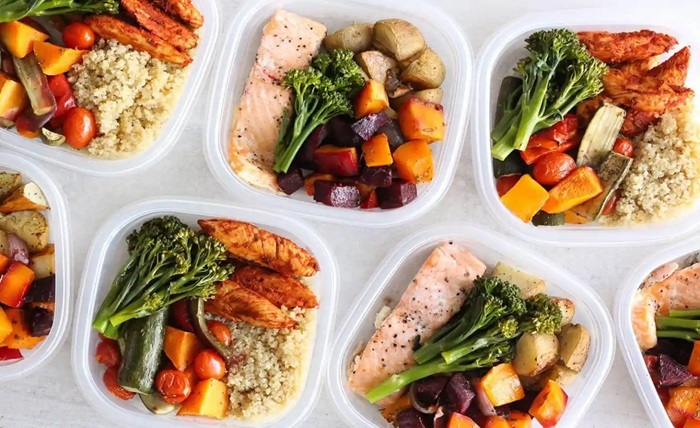
The culinary concept of mise en place—everything in its place—translates directly into catering efficiency when applied to packaging workflows. Pre-portioning ingredients into individual containers the day before an event eliminates the chaos of measuring on-site, ensuring consistency while freeing your team to focus on assembly and presentation rather than preparation. Batch sauces, dressings, and garnishes into squeeze bottles or portion cups during kitchen prep, then organize them by menu item so event staff simply grab what’s needed without searching through coolers. This advance work transforms hectic setup periods into calm, methodical processes. The right equipment amplifies these efficiencies significantly. Cambro-style food storage containers with clear labeling keep prepped ingredients organized and visible, reducing time wasted hunting for components. Standardized portion scoops ensure every serving matches your specifications without requiring scales or guesswork, maintaining quality while accelerating service. Commercial label makers or color-coded systems allow instant identification of contents, dietary restrictions, and preparation times, preventing mix-ups that damage client trust. Establishing dedicated assembly stations takes this further—designate one area for plating entrées where containers, proteins, and sides flow in sequence, another for dessert assembly with appropriate trays and garnishes, and a third for packaging drinks or accompaniments. This station-based approach mirrors restaurant kitchen efficiency, allowing team members to specialize and develop rhythm rather than bouncing between unrelated tasks. When your workflow integrates seamlessly with your chosen disposable food containers and snack trays, packaging becomes nearly automatic—containers are pre-staged at each station, lids stacked within arm’s reach, and completed items move directly into labeled transport bins. Many caterers find that sourcing from specialized tableware suppliers like Jolly Chef provides consistency in container dimensions and lid compatibility, which streamlines this station-based workflow by eliminating the guesswork of whether components will fit together properly. This systematic integration eliminates bottlenecks and creates the operational smoothness that allows catering businesses to handle larger events without proportionally increasing stress or error rates.
Transform Your Catering Business with Strategic Supply Choices
Professional catering success hinges on recognizing that food truck supplies aren’t afterthoughts—they’re strategic investments that protect your culinary reputation from kitchen to client. The containers you choose determine whether your signature dishes arrive as intended or deteriorate into disappointments during transport. Mastering presentation through thoughtfully selected snack trays elevates your service from functional to memorable, while leak-resistant packaging systems eliminate the anxiety and expense of mid-event disasters. An optimized workflow that integrates these elements transforms packaging from a time-consuming burden into a competitive advantage that allows your team to operate with confidence and consistency. When you view supplies through this lens—as infrastructure that preserves quality, enhances efficiency, and reinforces professionalism—the return on investment becomes undeniable. Start by auditing your current packaging against the standards outlined here: identify one persistent problem, whether it’s containers that leak, presentations that lack polish, or workflows that create bottlenecks, then implement a targeted solution. That single improvement will demonstrate how strategic supply choices compound into operational smoothness, stronger client relationships, and a catering business built to scale without sacrificing the quality that defines your brand.