
How to Use Small Home Gym Equipment for Full Fitness Evaluation
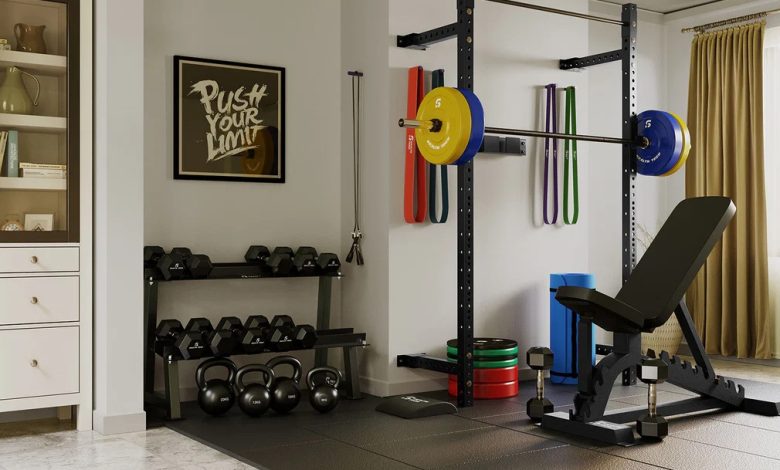
Home gyms have surged in popularity, with more clients than ever training in spare bedrooms, garages, and living rooms. For fitness trainers, this shift creates a real challenge: how do you conduct a thorough, meaningful fitness evaluation when you’re working with compact equipment rather than a fully stocked commercial facility? A single treadmill test or basic strength check simply doesn’t capture the full picture of a client’s physical condition.
The answer lies in a structured 6-dimensional fitness assessment — a holistic framework that evaluates strength, flexibility, endurance, cardiovascular health, balance, and power using the small home gym equipment your clients already own. This approach gives trainers the comprehensive performance analytics they need to design truly personalized programs, track progress across multiple dimensions, and deliver actionable insights that drive real results. Rather than guessing at a client’s weaknesses, you’ll have concrete data guiding every decision. This article walks fitness trainers through exactly how to leverage minimal equipment for maximum training performance insights, turning a modest home setup into a powerful evaluation tool.
What is a 6-Dimensional Fitness Assessment?
A 6-dimensional fitness assessment is a holistic evaluation framework that moves well beyond standard metrics like weight or a single rep-max test. Rather than capturing one or two isolated data points, it examines six interconnected physical qualities: strength, flexibility, endurance, cardiovascular health, balance and stability, and power and mobility. Each dimension reveals something the others cannot, and together they paint a complete portrait of a client’s physical condition. For personal trainers working in home settings, this framework is especially valuable because it replaces the need for expensive commercial machines with structured protocols built around versatile, compact equipment. The result is comprehensive performance analytics — the kind that reveal not just where a client excels, but precisely where they need targeted support. Instead of designing programs on intuition alone, trainers gain a reliable, repeatable system for guiding every client decision, from exercise selection to recovery priorities, making the 6-dimensional fitness assessment an indispensable tool for modern home-based coaching.
Essential Small Home Gym Equipment for Each Dimension
The right compact equipment transforms a spare room into a legitimate evaluation space. Six versatile tools cover all six assessment dimensions without requiring commercial-grade machinery. Resistance bands and adjustable dumbbells anchor the strength dimension, offering scalable load for pressing, pulling, and squatting movements. Brands like AEKE have made adjustable dumbbells increasingly accessible for home setups, allowing trainers to fine-tune resistance without cluttering the space with multiple fixed-weight pairs. A stability ball doubles as a balance assessment platform and a support surface for mobility testing. Jump ropes provide the rhythmic, measurable cardiovascular stimulus needed for heart rate-based fitness testing. Foam rollers serve the mobility dimension, helping trainers identify tissue restrictions and guiding clients through range-of-motion evaluations. Finally, a quality exercise mat creates a safe, defined surface for flexibility tests, endurance circuits, and plyometric power work.
What makes this equipment selection powerful isn’t any single item — it’s how they interact. A dumbbell used in a timed circuit tests both strength and endurance simultaneously. A stability ball challenges balance while supporting a shoulder rotation assessment. Trainers who understand these overlaps can run efficient, multi-dimensional evaluations in under an hour, collecting the comprehensive performance analytics that would otherwise require a full commercial setup. The investment is minimal; the diagnostic value is substantial.
Conducting the 6-Dimensional Assessment: A Step-by-Step Guide
Strength Evaluation with Resistance Bands and Dumbbells
Begin with a goblet squat using an adjustable dumbbell to assess lower-body strength — record the maximum load completed for 5 clean repetitions. Follow with a resistance band row to evaluate pulling strength, noting band tension level and rep quality. A dumbbell floor press rounds out the upper-body push assessment. Log load, reps, and any compensatory movement patterns. These three movements together establish a reliable strength baseline across major muscle groups.
Flexibility and Endurance Tracking Using Minimal Equipment
For flexibility and endurance tracking, use a resistance band as a sit-and-reach aid — have the client loop it around their feet while seated and measure how far they can draw the band toward them. Record the distance in centimeters for repeatability. Shift immediately to a timed burpee circuit: three minutes, continuous effort, counting total reps. This dual approach captures both static flexibility and muscular endurance within a single, equipment-light sequence, giving trainers two trackable metrics from one efficient block.
Cardiovascular Assessment with Bodyweight and Small Tools
A three-minute jump rope session provides a reliable cardiovascular stimulus. Measure resting heart rate before starting, then record heart rate at the 60-second mark and immediately post-session. A faster return to resting heart rate signals stronger cardiovascular fitness. Trainers without a rope can substitute a step-touch test using a low platform. Pair this with a fitness app — many track heart rate via phone camera — to log data consistently across sessions and identify improvement trends over time.
Balance and Stability Tests with Stability Balls
Start with a single-leg stand on a folded mat or cushion — time how long the client maintains balance without touching down, targeting 30 seconds per side. Progress to a stability ball wall sit, where the client holds a seated position with the ball supporting their lower back, then lifts one foot for 10 seconds. Score each test on duration and quality of postural control. Asymmetries between left and right sides flag injury risk and inform corrective programming priorities.
Power Measurement through Plyometric Exercises
Use a low, sturdy step for box jumps — measure jump height and record landing quality, specifically whether the client absorbs force quietly through bent knees or lands stiffly. Alternatively, a medicine ball chest throw against a wall measures upper-body power: mark the distance traveled and count throws in 30 seconds. Always confirm the client has adequate strength scores before introducing plyometric testing. Benchmark targets: clean landings on a 12-inch step and 15-plus throws in 30 seconds indicate solid power output.
Mobility Evaluation with Foam Rollers and Mats
Position the client on a mat for a hip hinge assessment — they reach back toward a foam roller placed horizontally behind their heels, maintaining a neutral spine. Note how far they hinge before the lower back rounds. Follow with a shoulder rotation check: lying supine, the client holds the foam roller overhead and lowers it toward the mat, revealing thoracic and shoulder mobility restrictions. Document range-of-motion angles visually or with a goniometer app. Limitations identified here directly inform warm-up protocols and corrective exercise priorities.
Interpreting Data for Training Performance Insights
Raw assessment numbers only become valuable when trainers know how to read them together. After completing all six dimensions, the first step is cross-referencing results to spot patterns. A client who scores well on strength but poorly on mobility, for instance, likely compensates during loaded movements — a risk factor that won’t surface from strength data alone. Similarly, strong cardiovascular numbers paired with weak balance scores suggest an athlete who can sustain effort but lacks the stability to perform safely under fatigue.
Build a simple scoring sheet that rates each dimension on a consistent scale — a 1-to-5 ranking works well — so trainers can visualize the full profile at a glance. Dimensions scoring below 3 become immediate programming priorities. Dimensions scoring 4 or 5 become maintenance targets. This structure converts six separate data points into a unified, actionable snapshot of where each client stands.
Revisit the same protocols every four to six weeks to generate longitudinal training performance insights. Comparing session-over-session scores reveals whether interventions are working and which dimensions respond fastest to training stimulus. Sharing these trends directly with clients reinforces motivation and builds trust in the process. The goal isn’t perfection across all six dimensions — it’s identifying the specific gaps that, once addressed, unlock the greatest overall performance gains for that individual.
Turning Insights into Actionable Client Plans
Assessment data is only as useful as the program it produces. Once all six dimension scores are recorded, translate them into SMART goals — specific, measurable, attainable, relevant, and time-bound targets tied directly to the client’s lowest-scoring areas. A client with a mobility score of 2 and a strength score of 4, for example, needs a plan that front-loads hip hinge and shoulder rotation work before adding progressive load.
Map each goal to a specific exercise drawn from the same compact equipment used during testing. This creates direct continuity between evaluation and training, making progress easy to verify at re-assessment. Structure re-evaluations every four to six weeks, revisiting only the dimensions that were prioritized — this keeps sessions efficient while generating the longitudinal data needed to adjust programming dynamically. When a dimension improves to a 4 or above, shift focus to the next weakest area, ensuring the client’s overall profile advances steadily rather than plateauing in any single dimension.
From Minimal Equipment to Maximum Coaching Impact
Small home gym equipment is far more than a convenience — in the hands of a skilled trainer, it’s a complete diagnostic system. The 6-dimensional fitness assessment framework demonstrated throughout this article shows that resistance bands, dumbbells, a stability ball, jump rope, foam roller, and mat are genuinely sufficient to evaluate strength, flexibility, endurance, cardiovascular health, balance, and power with precision and repeatability. No commercial facility required.
What separates effective home-based coaching from guesswork is the commitment to structured data collection. When trainers record scores across all six dimensions, cross-reference the results, and revisit them every four to six weeks, they build the kind of comprehensive performance analytics that reveal exactly where each client needs support — and exactly when their programming is working. Those training performance insights translate directly into personalized plans, smarter exercise selection, and measurable progress that clients can see and feel.
The shift to home training isn’t a limitation — it’s an opportunity to refine your evaluation process and deliver more targeted coaching than ever before. Start by running a single client through the full 6-dimensional protocol this week. The data you collect will immediately sharpen your programming decisions and strengthen your client relationships in ways a basic assessment simply cannot match.