
How to Customize Your Wig
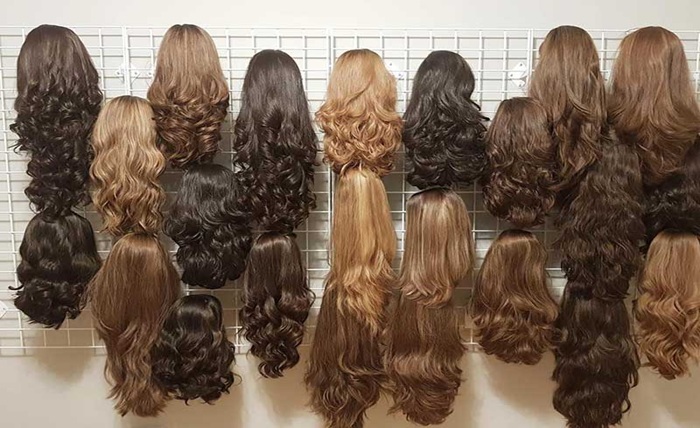
A wig straight out of the box can look nice—but a customized wig looks like it was made just for you. Customizing your wig lets you match your face shape, style, and lifestyle so it feels more like your real hair than an accessory. Whether you prefer something bold and fashion‑forward, like a curly wig with bangs, or a more effortless everyday style, there are simple ways to tweak almost any unit and take it to the next level.
This guide walks through key customization steps: adjusting the fit, tailoring the hairline and part, shaping the cut, tweaking texture, playing with color, and using a beginner‑friendly V part wig as a base.
1. Start with Fit: Adjusting the Cap
Before changing the hair itself, make sure the wig fits your head comfortably and securely.
Most quality wigs are built with:
- Adjustable straps at the nape
- Combs or clips at the sides and back
- Sometimes an elastic band or drawstring
Put the wig on your head and:
- Tighten or loosen the straps so the cap is snug but not tight.
- Secure the combs into your braided base or wig cap.
- Adjust any elastic band or drawstring for extra stability.
A well‑fitted wig stays in place, feels comfortable, and makes every other customization step more effective.
2. Customize the Hairline
A harsh or too‑dense hairline is one of the biggest giveaways that you’re wearing a wig. Softening the front immediately makes it look more realistic.
Plucking (for lace or hand‑tied fronts)
If your wig has lace or a pre‑plucked hairline:
- Place the wig on a mannequin head or your own head.
- Use tweezers to gently remove a few hairs just behind the hairline.
- Focus on creating a gradual density: thinner at the very front, fuller behind.
- Work slowly, plucking a little at a time and checking your progress frequently.
Baby hairs (optional)
Baby hairs can help blur the line between wig and skin:
- Separate a very thin section of hair at the front.
- Trim those strands shorter with small, sharp scissors.
- Use a light‑hold gel or mousse and a small brush to shape them softly.
Keep baby hairs subtle for everyday wear; dramatic swoops are more of a styling choice than a realism requirement.
3. Perfect the Part
The part area draws attention, so making it look like real scalp is key.
Define the part
- Decide whether you want a middle part, deep side part, or slightly off‑center part.
- Use a rat‑tail comb to create a clean line in the direction you prefer.
- If your wig allows free parting (lace top or full lace), experiment with placement to see what flatters your face shape most.
Add a scalp illusion
- Apply a small amount of foundation, concealer, or powder that matches your skin tone along the part line.
- Use a small brush to blend it into the lace or part area so it mimics your real scalp.
- If necessary, lightly powder around the hairline as well for a seamless transition.
This step works on many types of wigs and helps even structured parts look more believable.
4. Shape and Cut to Flatter Your Face
Wigs are often cut generally, not specifically for your facial features. A few strategic snips can change how the wig frames your face.
Face‑framing layers
- Add soft layers around your cheeks, jawline, and collarbone to break up a blunt front.
- Always cut a little at a time to avoid taking off too much.
- Try the wig on while trimming or mark lengths on a mannequin head at the level you want them to fall when worn.
Bangs and fringe
If your wig already has bangs, you can thin or reshape them. If it doesn’t, you can create:
- Wispy fringe for softness
- Curtain bangs for a face‑framing effect
- Longer, side‑swept bangs for versatility
Bangs are also a great way to refresh an older unit or to give a new twist to a style, whether straight, wavy, or curly.
5. Customize Texture and Styling
Adjusting the texture can dramatically change the personality of your wig.
For human hair wigs
- Use a heat protectant before any hot tool.
- Flat iron for a sleek, polished look.
- Use a curling iron, wand, or rollers to add waves or curls.
- Brush out curls for soft volume or leave them defined for a bouncier look.
For pre‑textured and synthetic wigs
- Use finger‑combing instead of brushing for tighter curls.
- Refresh curls or waves with water and a wig‑safe mousse or foam.
- Avoid excessive heat on synthetic fibers unless labeled heat‑safe.
Even if you sometimes enjoy the convenience of a no lace wet and wavy wig that’s ready to wear with minimal effort, knowing how to tweak texture gives you more control over your overall style.
6. Featured Product: Customizing a V Part Wig for a Natural Look
Some wigs are especially easy to customize because they’re already designed with realism in mind. A good example is:
True Scalp Kinky Straight V Part Glueless Human Hair Wig – Flexi Fit & Drawstring
Why it’s customization‑friendly:
- V part construction lets you leave out a slim section of your natural hair at the top. Your own hair and scalp create the visible part, which means less work faking a scalp.
- The true scalp effect at the top is designed to mimic real scalp, so blending your leave‑out looks especially convincing.
- Kinky straight texture resembles thick, blown‑out natural hair. You can wear it as is, flat iron it for a silk‑pressed vibe, or add curls and waves for more drama.
- The glueless, flexi fit cap with combs and drawstring helps you fine‑tune the fit without adhesives, making it easier to focus on cosmetic customization like cut and styling.
You can further personalize this wig by:
- Adjusting your leave‑out to create a middle or side part.
- Adding face‑framing layers around the front.
- Curling the ends or creating big, voluminous waves for different occasions.
7. Play with Color
If your wig is human hair, color is a powerful customization tool.
Subtle tweaks
- Add soft highlights or lowlights around the face.
- Darken the root slightly for a more natural, grown‑in look.
Bolder changes
- Try ombré or balayage for dimension.
- Add a pop of color in the underlayers for a peekaboo effect.
If you’re not comfortable coloring at home, bring the wig to a professional stylist who has experience working with wigs.
8. Finishing Touches and Long‑Term Care
Once your wig is customized, proper care keeps your hard work intact.
- Store the wig on a stand or mannequin head to preserve shape and part.
- Detangle gently from ends to roots after each wear.
- Wash with wig‑friendly or sulfate‑free products and avoid heavy buildup.
- Limit heat styling and always use heat protectant on human hair units.
With thoughtful customization—fit, hairline, part, shape, texture, and color—you can transform a standard wig into a signature look. Whether you’re aiming for subtle enhancements or a dramatic makeover, these steps help your wig feel more like “your hair,” tailored uniquely to you.