
3 Family Based Approaches To Managing Oral/Dental Emergencies
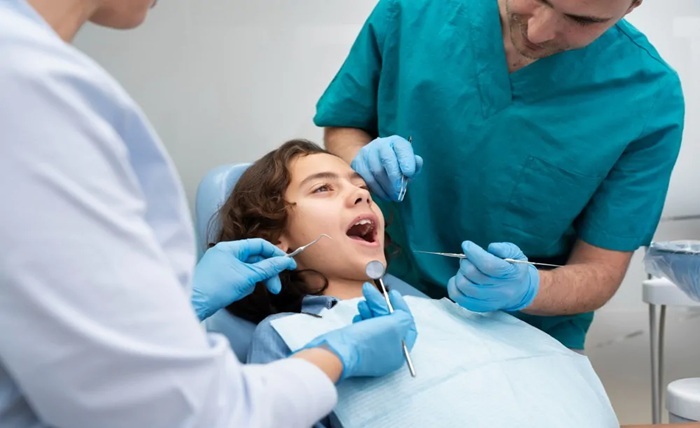
Dental pain shakes a home. A broken tooth, a swollen cheek, or a sudden mouth injury can stop your day and cause fear in your child and in you. You may not know if you should rush to the emergency room, call your dentist, or wait. You want quick relief, clear steps, and calm voices. This blog gives you three family based ways to manage common oral and dental emergencies at home before you reach care. You learn what to do in the first minutes, how to comfort your child, and how to protect long term dental health. You also see how planning, such as regular checkups and treatments like Barrie Invisalign, can reduce sudden problems. You gain simple steps, clear warning signs, and useful tools to keep at home. You stay ready, even when teeth and gums surprise you.
1. Build a Simple Home Dental Emergency Plan
You prepare for fires and storms. You can prepare for a knocked out tooth or sharp toothache in the same clear way. A short written plan lowers panic and gives each person a role.
First, create a one page guide and keep it near your phone. Include three things.
- Your regular dentist name, after hours number, and office address
- The nearest hospital emergency room with dental support
- Poison control number for swallowed products
Next, pack a small dental emergency kit. Use a clear box so you can see items fast.
- Clean gauze pads and cotton balls
- Small clean container with a lid
- Saline solution or clean water
- Cold pack
- Over the counter pain medicine your child already uses, with dose chart
- Gloves
Then, walk through the plan with your family. Practice three steps.
- Who calls the dentist
- Who gathers the kit and car keys
- Who stays with the injured child or adult
You can learn more about first aid for mouth injuries from the American Dental Association’s dental emergencies page. You do not need to remember every detail. You only need a short plan that you can follow under stress.
2. Use Clear Action Steps for Common Dental Emergencies
When pain hits, small steps in the first ten minutes protect teeth and keep infection low. You can treat many urgent problems at home before you reach a dentist. You still need follow-up care. You do not need to feel helpless.
Knocked Out Permanent Tooth
Time matters. You can often save a permanent tooth if you act within one hour.
- Find the tooth. Pick it up by the crown, not the root
- Rinse it gently with clean water. Do not scrub it
- If your child is old enough, place the tooth back in the socket and ask your child to bite on gauze
- If you cannot replant it, place the tooth in milk or in the mouth between cheek and gums
- Call your dentist at once and go in
Broken or Chipped Tooth
- Rinse the mouth with warm water
- Save any broken pieces in a small container with milk or saliva
- Apply a cold pack on the cheek to reduce swelling
- Call your dentist the same day
Severe Toothache
- Rinse with warm salt water. Use one half teaspoon of salt in a cup of water
- Use floss gently to clear food between teeth
- Use the pain medicine your child already uses, as the label states
- Do not put aspirin on gums or teeth
- Call your dentist. Ask if you need same-day care
Soft Tissue Injury
Lip, tongue, or cheek cuts bleed and look scary. You can control most at home.
- Rinse with clean water
- Press clean gauze on the cut for ten minutes
- Use a cold pack on the outside of the mouth
- If bleeding does not slow after fifteen minutes, seek urgent care
The Centers for Disease Control and Prevention’s oral health page explains how untreated mouth problems can turn into serious infections. Fast, simple home steps reduce risk while you arrange care.
3. Use Daily Family Habits to Prevent Emergencies
Many dental emergencies grow from quiet problems. Small cracks, decay, grinding, or misaligned teeth can turn into sudden pain after a fall or hard bite. Family routines reduce these shocks.
Three Core Habits
- Brush twice a day with fluoride toothpaste
- Floss once a day
- See a dentist at least once a year, or more if advised
Aligned teeth are easier to clean. They chip less and trap less food. Treatment such as Barrie Invisalign can gently move teeth into better positions. Straighter teeth lower the chance of broken edges during sports or play.
Sports and Play Protection
Many mouth injuries come from sports, bikes, and rough play. You can cut risk with three steps.
- Use mouthguards for contact sports
- Use helmets for bikes and scooters
- Set rules for no running with objects in the mouth
Quick Comparison of Common Family Dental Emergencies
| Emergency | First home step | When to call dentist | When to go to emergency room
|
|---|---|---|---|
| Knocked out permanent tooth | Rinse tooth, keep moist, try to place back in socket | At once. Same hour | If the jaw looks broken or the child cannot breathe or swallow |
| Broken or cracked tooth | Rinse mouth, save pieces, use cold pack | Same day | If there is heavy bleeding or strong facial swelling |
| Severe toothache | Rinse with salt water, floss, use pain medicine | Same day if pain is severe or lasts more than one day | If there is fever, trouble breathing, or swelling near the eye |
| Lip or tongue cut | Press gauze, use cold pack | If edges of cut look gaping or dirty | If bleeding does not slow after fifteen minutes |
| Object stuck between teeth | Use floss gently | If floss cannot remove it | If the child has trouble breathing or swallowing |
How to Talk With Children During a Dental Emergency
Your words and calm tone shape how your child remembers a crisis. You do not need perfect phrases. You only need clear, steady language.
- Use short sentences. Say what you are doing right now
- Give one choice when you can. For example, which toy to bring to the dentist
- Tell the truth about pain. Say it may hurt for a short time and that you will stay
Then, after the visit, praise your child for one concrete action. For example, you held the gauze, or you sat still in the chair. This builds strength for the next hard moment.
Pulling It Together
You cannot stop every dental emergency. You can remove much of the fear. A short written plan, clear first steps, and steady daily habits protect your family. You know when home care is enough. You know when to call a dentist. You know when to go straight to the emergency room. That knowledge lowers panic and brings back a sense of control when teeth and gums cause sudden pain.