
Compensation Benchmarks To Ensure Competitive Pay
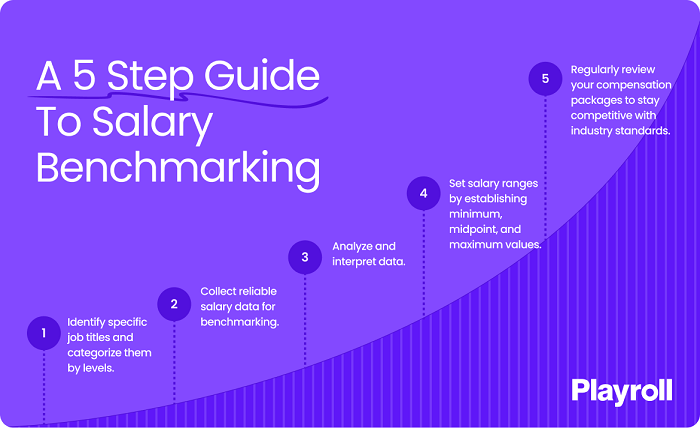
For online businesses and SEO agencies competing for top talent, developers, outreach specialists, content strategists, and account managers, compensation is more than payroll: it’s a strategic lever that protects growth and client outcomes. Compensation benchmarks give leaders objective data to set pay that attracts skilled talent, reduces churn, and aligns total rewards with performance and market reality. This guide walks through the types of benchmarks, trusted data sources, a step‑by‑step process for building pay bands, legal and global considerations, and practical tips for implementing and maintaining competitive pay programs tailored to digital agencies and ecommerce firms.
Why Compensation Benchmarks Matter For Online Businesses And Agencies
In fast-moving digital markets, small pay differences can tilt hiring decisions. Agencies and online businesses often compete with tech firms, startups, and remote marketplaces for the same pool of talent. Compensation benchmarks matter because they:
- Inform hiring offers so organizations don’t underpay or overpay relative to market rates.
- Help identify pay compression, when experienced staff earn nearly the same as new hires, threatening retention and morale.
- Support data-driven conversations about promotions, raises, and role changes, reducing bias and improving perceived fairness.
Key Types Of Compensation Benchmarks
Compensation benchmarking is not one-size-fits-all. Its effectiveness depends on selecting and combining the right benchmark types.
Market Benchmarks (External)
Market benchmarks compare pay to what other employers are offering for similar roles. They’re essential for competitiveness. Market data typically includes median base salary, 25th and 75th percentiles, and often total cash (base + expected bonus). For an agency, this helps position offers for roles such as outreach specialists or guest post coordinators against comparable positions in SaaS, ecomm, and other agencies.
Internal Benchmarks (Skills, Performance, Tenure)
Internal benchmarks ensure consistency across roles and levels. They account for skills, demonstrated performance, certifications, and tenure. Internal equity prevents pay disparities where two people with similar contributions are paid differently for subjective reasons. Internal benchmarking also supports career ladders, clear expectations for promotion from junior to senior levels.
Total Compensation Benchmarks (Base Pay, Benefits, Bonuses)
Competitive pay isn’t just base salary. Total compensation includes benefits (health, retirement), variable pay (bonuses, commissions), equity or profit‑sharing, and perks (flexible hours, remote stipends, training budgets). Benchmarking total rewards gives a complete picture of competitiveness.
Where To Source Reliable Compensation Data
High-quality data is the backbone of valid benchmarks. Multiple sources should be triangulated to avoid relying on a single dataset.
Public Salary Surveys And Industry Reports
Professional salary surveys and industry reports (e.g., Radford, Mercer) offer rigorously collected data but sometimes at a price. Free industry reports, published by recruiting firms or consulting agencies, can also provide useful snapshots for specific regions and sectors.
Job Boards, Recruiting Platforms, And Marketplaces
Platforms like Indeed, Glassdoor, Levels.fyi, and LinkedIn compile real‑time posted salaries and self-reported compensation. Recruiting marketplaces that handle contractor rates (Upwork, Toptal) are especially useful for benchmarking freelance and contractor budgets common to agencies.
Professional Associations, Government Data, And Niche Benchmarks
Government sources (BLS in the U.S.) and professional associations deliver reliable, standardized categories, though they may lag market shifts.
How To Build Pay Bands And Salary Structures (Step‑By‑Step)
A repeatable process reduces bias and keeps compensation aligned with strategy.
Define Roles, Levels, And Core Competencies
Map those profiles to levels (e.g., Junior, Mid, Senior, Lead) with clear promotion criteria.
Map Market Data To Internal Roles And Create Salary Ranges
Collect market medians for each role and level. Then establish salary ranges, typically a 20–30% spread from minimum to maximum within a band. Set the midpoint around the market median for your target positioning (e.g., 50th percentile for average competitiveness, 60–75th to aggressively recruit). Document how exceptions will be handled (signing bonuses, counteroffers).
Incorporate Variable Pay, Benefits, And Perks Into Total Rewards
Decide which part of compensation will be variable: performance bonuses, commission on client growth, or profit-sharing. Quantify benefits and perks in annualized dollar terms so total rewards comparisons are apples-to-apples. For remote teams, include stipends for co-working, equipment, and internet, these add perceived and actual value without excessively raising base salary costs.
Legal, Equity, And Competitive Considerations
Benchmarking must respect legal and ethical frameworks while remaining competitive.
Pay Equity, Non‑Discrimination, And Transparency Practices
Follow local equal-pay laws and carry out non-discriminatory practices. Regularly audit pay by gender, race, and other protected classes to detect unintended disparities. Transparency, whether disclosing salary ranges in job ads or publishing a compensation philosophy internally, builds trust and reduces negotiation gaps that can favor certain groups.
Benchmarking For Remote, Contract, And Global Talent
When hiring globally, adjust market data for location and local purchasing power, or adopt a location-based pay policy (e.g., global remote bands with location multipliers). For contractors and freelancers, benchmark hourly or project rates against marketplaces to keep budgets predictable. Consider currency risk, tax implications, and local benefits norms when crafting offers for international hires.
Communicating And Implementing Competitive Pay Programs
Well-designed pay programs fail if communication and execution are poor.
Manager Training And Offer‑Package Best Practices
Equip managers with scripts and templates for offers that explain total compensation clearly. Train hiring managers to make compelling, timely offers, delays often cost candidates. Provide negotiation guidelines and escalation routes for exceptions.
Timing, Budgeting, And Phased Adjustments For Small Teams
Small agencies frequently work with tight budgets. Adopt phased adjustments: prioritize critical roles for immediate market alignment and plan staged increases for others over 6–12 months. Use retention bonuses or spot awards as short-term measures while budgeting for long-term base increases.
Monitoring, Reviewing, And Updating Compensation Benchmarks
Benchmarks are not set-and-forget. They require an ongoing maintenance rhythm.
KPIs And Metrics To Track Competitiveness And Retention Impact
Track hiring velocity (time-to-offer), acceptance rate, voluntary turnover by role, and internal pay compression metrics. Correlate compensation changes with retention and performance outcomes (client churn, campaign results) to ensure investments deliver business value.
Cadence For Market Refreshes And Internal Review Cycles
Refresh market data at least annually: for high-turnover or fast-changing roles (e.g., senior SEO engineers), do biannual checks. Schedule internal compensation reviews aligned with performance cycles, typically quarterly or semiannual, so pay decisions reflect recent achievements and market shifts.
Conclusion
Compensation benchmarks are a practical tool that helps online businesses and agencies attract and retain the talent that powers growth. By combining external market data with internal role clarity, quantifying total rewards, and maintaining legal and geographic awareness, organizations can design pay programs that are competitive, equitable, and sustainable. When in doubt, start small: benchmark your most critical roles first, document decisions, and iterate, benchmarks should evolve with the business, not sit on a shelf.
For agencies or teams seeking expert help in operationalizing compensation strategies alongside talent and deliverables, partners with domain knowledge in performance-driven digital services can accelerate the process and align pay with client-impacting roles.