
Online vs Traditional Psychiatry: ADHD Prescription Access
ADHD diagnoses among adults have surged by over 120% in the past decade, revealing a growing awareness of a condition that affects an estimated 4.4% of the adult population in the United States alone. Yet despite this recognition, millions still struggle to access the psychiatric care they need. Long wait times, geographic barriers, and prohibitive costs create a frustrating paradox: more people know they need help, but fewer can actually get it. This gap has given rise to a pressing question for adults navigating mental health challenges—should they pursue ADHD treatment through traditional in-person psychiatry, or turn to the expanding world of online psychiatric services?
This article examines both pathways to ADHD prescription access, weighing their strengths and limitations across the factors that matter most to patients. From affordability and accessibility to the quality of expert diagnosis and ongoing treatment options, we break down what each model offers so you can make an informed decision about managing your mental health effectively.
Understanding ADHD and the Role of Expert Diagnosis
Attention Deficit Hyperactivity Disorder in adults manifests far differently than the hyperactive child most people picture. Adults with ADHD often struggle with chronic disorganization, difficulty sustaining focus during meetings or conversations, impulsive decision-making, and emotional dysregulation that strains relationships and careers. These mental health challenges frequently coexist with anxiety and depression, making self-diagnosis unreliable and potentially harmful. An expert diagnosis requires a trained psychiatrist who can distinguish ADHD from overlapping conditions, evaluate symptom history dating back to childhood, and rule out other explanations such as sleep disorders or thyroid dysfunction. Without this professional psychiatric care, individuals risk either missing a legitimate diagnosis or receiving inappropriate treatment. The stakes are particularly high because ADHD medications—stimulants especially—carry real risks when prescribed without thorough evaluation, making qualified assessment the non-negotiable foundation of effective treatment.
Traditional Psychiatry: The Conventional Path to ADHD Prescriptions
The traditional route to an ADHD prescription typically begins with a referral from a primary care physician, followed by scheduling an appointment with a psychiatrist—a process that can take anywhere from three weeks to six months depending on location and provider availability. Once seated in an office, patients undergo comprehensive evaluations that may span multiple sessions, including clinical interviews, behavioral questionnaires, and sometimes neuropsychological testing. This thorough approach represents the gold standard of personalized care, allowing psychiatrists to observe body language, assess cognitive function in real time, and build rapport that deepens diagnostic accuracy. However, the conventional model carries significant drawbacks. Average out-of-pocket costs for an initial psychiatric evaluation range from $300 to $500 without insurance, and follow-up visits add ongoing financial strain. Geographic limitations hit hardest in rural areas, where the nearest psychiatrist may be hours away. For adults juggling work schedules and family obligations, repeated in-person visits become logistically burdensome. These barriers to affordable mental health services mean that many who need psychiatric care simply go without, leaving legitimate ADHD unmanaged and daily functioning compromised.
Online Psychiatry: Revolutionizing Mental Health Support for ADHD
The emergence of telehealth platforms has fundamentally reshaped how adults access psychiatric care for ADHD, removing many of the barriers that kept traditional treatment out of reach. An online psychiatrist prescription for ADHD follows a streamlined process: patients connect with licensed psychiatrists through secure video consultations from their homes, workplaces, or anywhere with internet access. These platforms employ board-certified professionals who conduct thorough evaluations using validated screening tools, clinical interviews, and detailed symptom histories—mirroring the rigor of in-person assessments while eliminating geographic constraints entirely.
The advantages extend beyond mere convenience. Wait times on many online platforms shrink from months to days, with some offering appointments within 48 hours of registration. For adults whose ADHD symptoms already make organization and follow-through difficult, reducing logistical friction can mean the difference between pursuing care and abandoning the effort altogether. Expert diagnosis through telehealth has proven remarkably effective, with research showing diagnostic agreement rates between virtual and in-person ADHD assessments exceeding 90%. Psychiatrists conducting these evaluations can prescribe the full range of ADHD medications, including stimulants in most states, and coordinate ongoing mental health support through regular virtual follow-ups that keep treatment responsive and adaptive to each patient’s evolving needs.
Comparing Online vs Traditional Psychiatry: Key Factors for ADHD Care
When weighing online versus traditional psychiatry for ADHD care, cost-effectiveness emerges as a decisive differentiator. Traditional psychiatric evaluations often demand $300 to $500 upfront plus recurring visit fees, while online platforms frequently offer subscription models or bundled pricing that reduce per-session costs by 40-60%. For patients without comprehensive insurance coverage, this affordability gap determines whether they receive consistent psychiatric care or sporadic treatment that undermines medication effectiveness.
Accessibility favors the virtual model decisively. Traditional psychiatry requires physical proximity to qualified providers, reliable transportation, and schedule flexibility—luxuries unavailable to many working adults. Online mental health support eliminates these constraints entirely, serving patients in underserved regions and those whose ADHD-related executive dysfunction makes navigating complex appointment logistics particularly challenging. Privacy also differs meaningfully between models. Virtual consultations allow patients to discuss sensitive symptoms from private spaces without sitting in waiting rooms or worrying about being seen entering a psychiatric office—a concern that still prevents some adults from seeking help. Quality of care, however, demands nuanced comparison. Traditional psychiatry offers tactile observation and in-person rapport that some clinicians consider irreplaceable for complex cases. Yet online platforms increasingly match this through structured assessment protocols, longitudinal digital tracking of symptoms, and consistent provider relationships maintained through regular virtual check-ins. For straightforward ADHD presentations, telehealth delivers equivalent diagnostic accuracy; for cases involving multiple comorbidities or substance use concerns, traditional settings may offer additional safety layers worth considering.
How to Access an Online Psychiatrist Prescription for ADHD: A Step-by-Step Solution
Navigating the path to an online psychiatrist prescription for ADHD becomes manageable when broken into clear, actionable stages. The first step involves researching reputable online mental health support platforms—services like Mindful that employ board-certified psychiatrists rather than solely nurse practitioners, verify state licensing compliance, and check whether the platform can prescribe controlled substances in your jurisdiction. Reading patient reviews and confirming HIPAA-compliant technology protects both your privacy and the legitimacy of your care.
Once you select a platform, you’ll complete an initial screening questionnaire that captures your symptom history, daily functioning challenges, and any previous mental health diagnoses or treatments. This intake process typically takes 15 to 30 minutes and helps your assigned psychiatrist prepare for a focused virtual consultation. During the video appointment itself, expect a thorough clinical interview lasting 45 to 60 minutes. The psychiatrist will explore your childhood behavioral patterns, current executive functioning difficulties, and rule out conditions that mimic ADHD. They may request school records, prior medical documentation, or collateral information from a partner or family member to strengthen diagnostic confidence.
If the assessment confirms ADHD, your psychiatrist will discuss medication options tailored to your symptoms, lifestyle, and any coexisting conditions. Stimulant and non-stimulant options each carry distinct benefit profiles, and a qualified provider will explain expected outcomes, side effects, and titration schedules transparently. Affordability enters the conversation here—many platforms offer bundled pricing that includes the initial evaluation, prescription management, and medication delivery coordination, making costs predictable rather than surprising.
The final and often overlooked step involves establishing a consistent follow-up schedule. Effective ADHD treatment requires ongoing psychiatric care, not a single appointment. Most online platforms schedule check-ins every four to six weeks initially, allowing your provider to adjust dosages, monitor side effects, and integrate behavioral strategies that complement medication. This structured continuity transforms a one-time prescription into a sustainable treatment plan that evolves alongside your needs, ensuring that affordability and accessibility don’t come at the expense of comprehensive care.
Evaluating Comprehensive Treatment Options Beyond Prescriptions
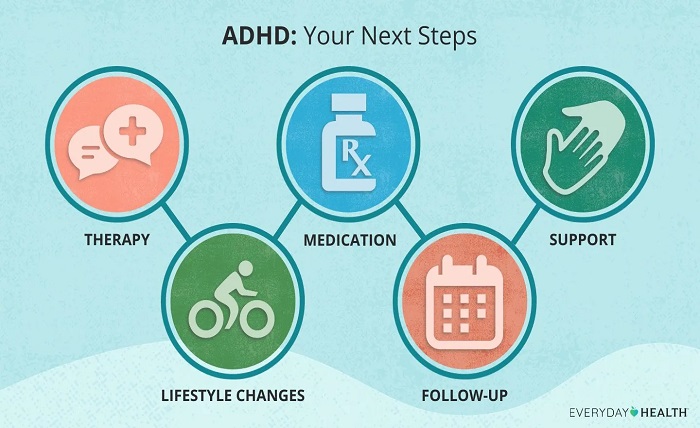
Medication alone rarely constitutes complete ADHD management. Both online and traditional psychiatry increasingly recognize that sustainable improvement requires a multi-layered approach addressing the full spectrum of mental health challenges adults with ADHD face. Cognitive behavioral therapy adapted for ADHD helps patients develop organizational systems, challenge negative thought patterns born from years of underperformance, and build emotional regulation skills that medication supports but cannot create independently. Many online platforms now integrate therapy sessions alongside psychiatric care, offering coordinated treatment within a single ecosystem. Traditional practices achieve similar integration through referral networks, though patients bear the burden of scheduling across multiple providers. Lifestyle adjustments—structured exercise routines, sleep hygiene protocols, and nutritional strategies that support dopamine regulation—complement both pharmacological and therapeutic interventions. Ongoing support through coaching, accountability partnerships, or peer groups addresses the daily executive functioning gaps that persist between appointments. The most effective treatment plans, whether delivered virtually or in person, weave these elements together into a personalized framework that evolves as patients develop new capacities and encounter new demands.
Choosing the Right ADHD Care Pathway for Your Needs
The choice between online and traditional psychiatry for ADHD prescription access ultimately hinges on individual circumstances—financial constraints, geographic location, schedule flexibility, and the complexity of one’s mental health challenges. Traditional psychiatry offers the depth of in-person evaluation and hands-on rapport that benefits complex cases, but its barriers around cost, wait times, and accessibility leave many adults without the care they need. Online psychiatry has emerged as a legitimate, clinically validated alternative that delivers expert diagnosis, prescription management, and ongoing mental health support with fewer logistical hurdles and greater affordability.
Neither model is universally superior. What matters is that you pursue care rather than delay it. If traditional psychiatry aligns with your resources and needs, its comprehensive approach remains valuable. If barriers have kept you from seeking help, online platforms offer a credible path forward. Evaluate your priorities honestly, verify provider credentials regardless of the model you choose, and commit to ongoing treatment rather than a single appointment. Proactive mental health management—through whichever pathway you access it—transforms an ADHD diagnosis from a daily struggle into a manageable condition with clear strategies for thriving.