
Seasonal Fungal Diseases: What Farmers Should Know in April
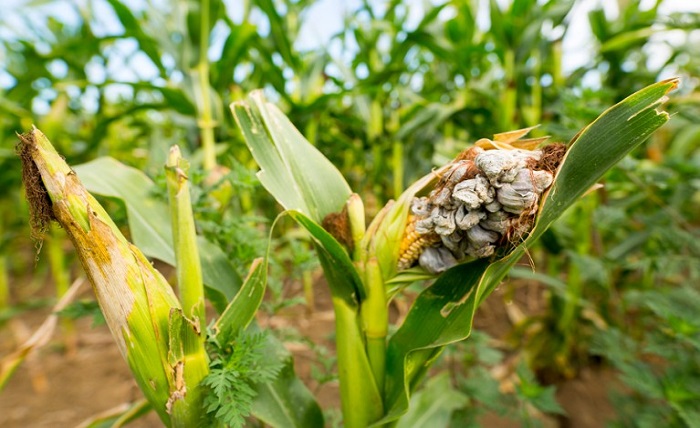
April can be a difficult month for farmers because crops are changing stages quickly. In many Indian fields, even a few days of humidity, extra irrigation, or wet leaves can lead to fungal infections.
Early signs may stay limited to a few patches; hence, they are easy to miss. If action is delayed until the problem spreads, it becomes harder to control and can lead to lower yield and crop quality.
Why April Deserves Close Attention
Disease risk in April does not look the same everywhere, as crop stages differ across regions.
In some parts of the country, late rabi crops are close to maturity. In others, vegetable and fruit crops are still actively growing. At the same time, irrigated fields may hold more moisture in the crop canopy. This creates a favourable environment for fungal diseases to develop and spread more easily.
That is why April planning should not be based only on the calendar. It needs to consider the crop stage and actual field conditions to manage disease risk effectively.
Crop-wise Disease Risks Across Regions in April
Northern and Central India – Wheat Crops
In northern and central India, late-sown wheat crops still need careful monitoring in April. This is because diseases like yellow rust and powdery mildew can spread in fields that are still green and not fully dried.
Eastern India and Rice-growing Areas
In eastern India and irrigated rice-growing areas, rice crops can develop blast disease depending on the growth stage. When the weather is humid and leaves stay wet for longer, the disease spreads more easily and becomes more serious.
Vegetable Crops
Vegetable crops are also highly vulnerable during this period. Tomato fields may develop early blight, and chilli crops can suffer from powdery mildew, anthracnose and Alternaria leaf spot.
Fruit and Plantation Crops
Grapes are commonly affected by powdery mildew. In mango orchards, powdery mildew and anthracnose can also appear. Banana crops may get sigatoka leaf spot when the weather is warm and moist, which helps the disease spread.
Where Nativo Fits into April Disease Management
Nativo contains Tebuconazole 50% and Trifloxystrobin 25% WG and is a systemic broad-spectrum fungicide with protective and curative action. It is recommended for different crops and diseases, making it useful in April when fungal problems can appear in many farming systems.
It is advised to apply Nativo at the first sign of disease. Its approved uses differ by crop and cover a range of fungal problems. These include blast in rice, early blight in tomato, powdery mildew, anthracnose, Alternaria leaf spot, sigatoka leaf spot and yellow rust in wheat. Since dosage is not uniform across crops, farmers must strictly follow crop-specific instructions for application rate, water volume, and waiting period.
What Farmers Should Look For in the Field
Field scouting in April should be regular and practical. Farmers should not depend only on symptoms seen from the field edge. Some patches may show disease earlier than others. Leaf spots, mildew growth, blight symptoms, or signs of infection near critical reproductive stages all deserve attention.
It also helps to compare fields by crop stage. Two nearby farms may not need action on the same day if one crop is more advanced than the other. This is especially important in crops where disease during flowering, panicle development or fruit-setting stages can directly reduce yield.
Conclusion
April is an important month for managing fungal diseases. Since disease pressure is different in each region and crop, decisions should be based on actual field conditions rather than just the calendar.
Solutions like Nativo fungicide can support farmers by providing broad protection against many fungal diseases when used as per crop-specific guidelines. It may help support better crop health and yield through the season.