
What Should You Look for in a Compact Home Gym with Warranty and Training?
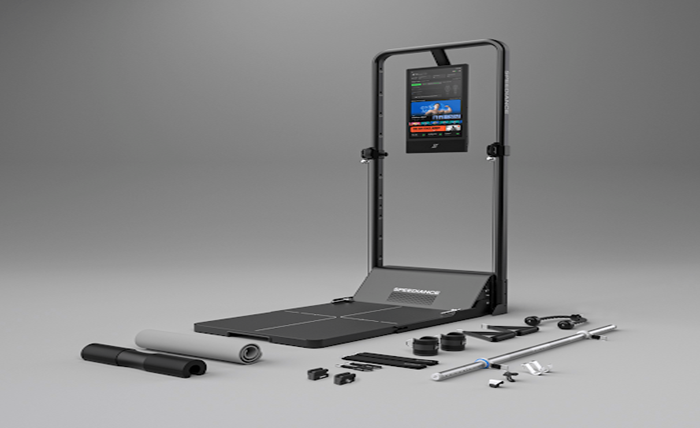
The shift toward home fitness has accelerated dramatically, with more people discovering that effective workouts don’t require a gym membership or a dedicated room-sized setup. Compact home gyms have emerged as the ideal solution for fitness enthusiasts living in apartments, small homes, or shared spaces where every square foot matters. Yet the excitement of building a personal workout space often collides with real-world challenges: limited floor area, concerns about equipment reliability, and uncertainty about whether you’ll actually use what you buy.
This is where two often-overlooked factors become critical—warranty coverage and personalized training support. A solid warranty protects your financial investment when mechanical issues arise, while built-in training guidance ensures you stay motivated and use your equipment correctly. Together, they transform a simple purchase into a long-term fitness partnership. In this guide, we’ll walk through the essential features to prioritize in compact home gym equipment, how to navigate warranty and return policies effectively, the role of personalized training in maximizing results, and practical steps for making your final selection with confidence.
Essential Features to Prioritize in Compact Home Gym Equipment
When evaluating home gym equipment designed for smaller spaces, durability should top your checklist. Look for steel frames with powder-coated finishes that resist rust and wear, reinforced cables rated for high tension loads, and components that won’t degrade after months of consistent use. Cheap materials might save money upfront, but they introduce safety risks and replacement costs that erode any initial savings.
Versatility comes next. The best compact systems allow you to perform dozens of exercises—chest presses, lat pulldowns, leg extensions, cable crossovers—using a single footprint. This multi-exercise capability means you won’t need separate machines cluttering your space, and you can progress through full-body training programs without hitting equipment limitations. Adjustable resistance mechanisms, swappable attachments, and multi-angle pulleys all contribute to this flexibility.
Space-saving design goes beyond just being small. Consider whether the equipment folds, stores vertically, or fits against a wall when not in use. Measure your available area carefully, accounting for the range of motion each exercise requires—a machine might fit in a corner but become impractical if you can’t fully extend your arms during movements. Assembly matters too; equipment that arrives with clear instructions and minimal tools needed means you’ll start training sooner and won’t need to hire someone for setup.
Finally, prioritize user safety features like secure locking pins, non-slip grips, padded contact points, and stable base structures that prevent tipping during heavy lifts. These details protect you from injury and give you confidence to push your limits during every session.
Navigating Warranty and Return Policies: Your Purchase Safety Net
Investing in home gym equipment represents a significant financial commitment, and understanding the protective policies behind that purchase can mean the difference between buyer’s remorse and long-term satisfaction. Too many buyers focus exclusively on features and price while glossing over the fine print that actually safeguards their money. Before clicking “buy,” take time to investigate what happens if the equipment doesn’t meet expectations or develops problems months down the road. A manufacturer that stands behind its products with transparent, generous policies signals confidence in build quality—and gives you peace of mind that your investment is protected against defects, shipping damage, or simple incompatibility with your space and routine.
Leveraging a 30-Day Return Policy for Risk-Free Trials
A 30-day return policy essentially transforms your purchase into an extended test drive. During this window, you can assemble the equipment, run it through your regular workout routine, and determine whether it genuinely fits your space, feels comfortable during exercises, and meets your performance expectations. To make the most of this period, start using the equipment immediately upon delivery rather than letting it sit in the box. Document any concerns early, photograph your setup, and keep all original packaging materials. Before purchasing, verify whether the return policy covers full refunds or only store credit, who pays return shipping costs, and whether the item must remain in unused condition or can be lightly tested. These details vary significantly between sellers and can affect whether the policy truly offers risk-free exploration.
Securing Long-Term Value with a 2-Year Warranty
While a return policy covers initial satisfaction, a 2-year warranty addresses what happens after you’ve committed to the equipment long-term. This coverage typically protects against manufacturing defects, premature wear on structural components, and mechanical failures in pulley systems or resistance mechanisms. When evaluating warranty terms, identify exactly which parts are covered—frame, cables, upholstery, and moving parts may carry different coverage lengths. Understand the claim process: does the manufacturer require video evidence of the issue, and do they ship replacement parts directly or require you to send the unit back? A robust two-year warranty complements the durability of compact home gym equipment by ensuring that even if something unexpected fails under normal use, you won’t face out-of-pocket repair or replacement costs during that critical early ownership period.
Harnessing Personalized Training for Effective Home Workouts
Owning compact home gym equipment solves the space and access problem, but it doesn’t automatically solve the knowledge and motivation problem. This is where personalized training becomes a game-changer—bridging the gap between having equipment and actually achieving measurable fitness results. Without structured guidance, many home gym owners fall into repetitive routines, use improper form, or gradually lose the consistency needed for progress. Personalized training addresses all three challenges by adapting to your current fitness level, goals, and available equipment.
Several formats exist for integrating training support into your home gym experience. App-based programs offer algorithm-driven workout plans that adjust based on your logged performance, progressively increasing difficulty as you grow stronger. Virtual coaching takes personalization further, connecting you with certified trainers through video calls who can observe your form in real time, correct movement patterns, and modify exercises around injuries or limitations. Some manufacturers, such as Speediance, bundle customizable routine libraries directly with their equipment, providing exercise demonstrations filmed on the exact machine you own—eliminating guesswork about attachment positions, cable angles, and proper body alignment for each movement.
When evaluating training support from a manufacturer or third-party service, consider how well the programming integrates with your specific equipment’s capabilities. Generic workout plans designed for full commercial gyms won’t translate effectively to a compact multi-station system. Look for training content that acknowledges equipment constraints and builds creative progressions within them. Also assess whether the training evolves with you—beginner programs are helpful initially, but you need intermediate and advanced pathways to avoid plateaus. The combination of reliable equipment and intelligent programming creates accountability, keeps workouts engaging over months and years, and ensures you extract maximum value from every square foot dedicated to your home gym.
Practical Steps to Choose the Right Compact Home Gym
Start by measuring your available space precisely—not just floor dimensions, but ceiling height and clearance around the intended area. Sketch the footprint on paper or use painter’s tape on the floor to visualize how much room remains for movement during exercises. This single step eliminates options that look appealing online but prove impractical in your actual environment.
Next, establish a realistic budget that accounts for the total cost of ownership. Factor in whether the manufacturer offers free shipping, as delivery fees for heavy fitness equipment can add substantially to the final price. Check whether assembly services are included or available, and consider whether bundled training access reduces what you’d otherwise spend on a personal trainer or app subscription. Once your budget is clear, compare three to five models that fit within it. Prioritize equipment offering the widest exercise variety relative to its footprint, then cross-reference user reviews specifically mentioning durability after six months or more of regular use.
Before finalizing your decision, review the warranty and return policies side by side. Confirm the return window gives you adequate time to test the equipment through multiple workout sessions—not just unbox it. Verify the warranty covers structural components and mechanical parts for at least two years, and note whether the claims process is straightforward or burdensome. Finally, explore the training resources each option provides. Sign up for free trials of any included apps or preview available workout libraries to confirm they match your experience level and goals. A compact home gym that pairs solid construction with protective policies and intelligent programming becomes more than equipment—it becomes a system designed to keep you progressing for years.
Building Your Ideal Home Fitness System with Confidence
Choosing a compact home gym involves far more than picking the smallest machine that fits your budget. The most successful home fitness setups balance thoughtful equipment features—durability, versatility, and space-efficient design—with the protective safety nets of strong warranty coverage and flexible return policies. A 30-day return window lets you validate your choice through real workouts, while a 2-year warranty guards against unexpected mechanical failures that could otherwise derail your routine and drain your wallet.
Equally important is the training component that transforms equipment ownership into genuine fitness progress. Personalized programming adapted to your specific machine, experience level, and goals keeps you accountable, prevents plateaus, and ensures every session moves you forward. When these three pillars align—quality construction, purchase protection, and intelligent guidance—you’re not just buying a piece of equipment. You’re investing in a sustainable fitness system built for your space, your life, and your long-term health. Take the insights from this guide, apply them to your research, and step confidently into building the home gym that will serve you for years to come.