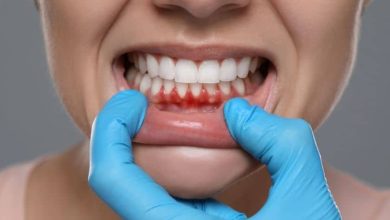
Why General Dentistry Is The Foundation Of Preventive Dental Care
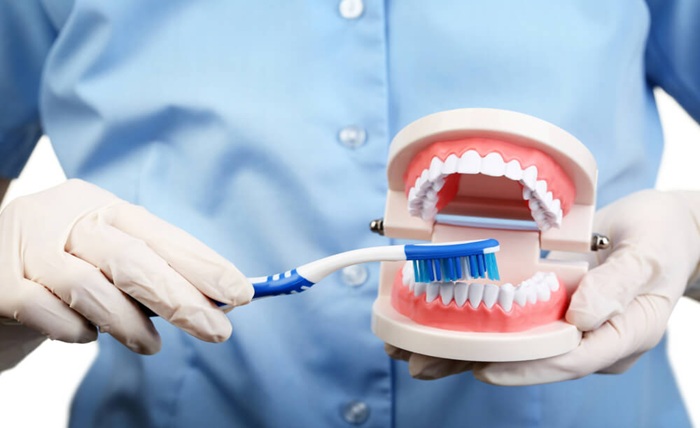
Your teeth carry your story every day. General dentistry protects that story before pain, fear, or cost take control. Routine checkups, cleanings, and simple treatments keep small problems from turning into emergencies. You avoid sharp pain. You avoid long visits. You protect your time and your money. Many people wait until something hurts. By then, damage has already spread. Regular care finds trouble early. It keeps your gums firm and your teeth strong. It also guards your heart and overall health, since mouth infections can affect the rest of your body. A trusted dentist in Wheaton, IL watches for warning signs that you may miss at home. That ongoing care gives you clear choices and steady control. This blog explains how general dentistry supports preventive care, why it should come first, and how you can use it to protect your health with less stress and fewer surprises.
How General Dentistry Protects Your Whole Health
Your mouth shows early signs of many health problems. Gum disease links to heart disease and diabetes. Dry mouth can signal medication side effects. Sores can signal infection or other disease.
During a routine visit, your dentist and hygienist check three things.
- Your teeth for decay, cracks, and wear
- Your gums for infection and bleeding
- Your tongue, cheeks, and throat for sores or growths
The Centers for Disease Control and Prevention explains that almost half of adults over 30 have some form of gum disease.
Early care stops this damage. It protects your ability to eat, speak, and smile with ease. It also cuts the chance of sudden infection that can send you to the emergency room.
Why Routine Visits Beat Emergency Visits
Emergency visits feel scary. You face swelling, throbbing pain, and rushed choices. You may need root canals, extractions, or stronger drugs.
Routine general dentistry visits feel simple. You sit in the chair. Your teeth are cleaned. Your mouth is checked. You talk through any needed next steps.
The pattern is clear. You either pay with time and care now, or you pay with pain and larger treatment later.
| Type of visit | What usually happens | Common cost pattern | Common time pattern
|
|---|---|---|---|
| Routine checkup and cleaning | Exam, X rays as needed, cleaning, simple advice | Lower cost per visit | Short visit, planned ahead |
| Early filling or sealant | Small cavity repair or tooth seal for decay prevention | Moderate cost, helps avoid larger work | One short visit |
| Emergency visit for pain | Urgent exam, severe pain, possible infection | Higher cost, may need several visits | Unplanned, longer total time |
| Root canal or extraction | Treatment for deep decay or broken tooth | High cost, often with follow-up care | Multiple visits, longer recovery |
This steady pattern shows why general dentistry is the base of preventive care. Small, routine steps now prevent large, distressing steps later.
What Happens During a General Dentistry Visit
You should know what to expect. That knowledge lowers fear and helps you keep appointments.
A standard visit often includes three parts.
- Health review. You share any changes in your health, medicines, or habits like smoking.
- Cleaning. The hygienist removes plaque and hardened tartar. Your teeth are polished.
- Exam. The dentist checks teeth, gums, and soft tissues. X-rays are taken when needed.
The dentist then explains any findings. You hear plain choices. You ask questions. You leave with a simple plan and clear next steps.
The National Institute of Dental and Craniofacial Research offers plain guidance on common mouth diseases and treatment.
How General Dentistry Supports Children, Adults, and Older Adults
Every age group needs general dentistry. The focus shifts as you move through life, yet the base stays the same.
- Children. Regular visits build trust. Fluoride and sealants protect new teeth. Early checks guide jaw and tooth growth.
- Adults. Cleanings and exams limit decay and gum disease. Checks catch grinding, clenching, or wear from work and stress.
- Older adults. Care supports teeth, gums, and any dentures or implants. Checks help with dry mouth, medication effects, and mouth cancer screening.
Routine care at each stage guards your comfort and your ability to eat a full range of foods. It supports clear speech and social confidence.
Home Care and Office Care Work Together
You control much of your mouth health at home. You still need general dentistry visits to finish the job.
At home you can
- Brush twice each day with fluoride toothpaste
- Clean between teeth once each day with floss or another tool
- Limit sugary drinks and snacks
- Drink water often
- Use a mouthguard if you grind your teeth or play sports
At the office your dentist can
- Remove hardened tartar you cannot brush away
- Check spots you cannot see
- Use X-rays to find hidden decay
- Apply sealants and fluoride for extra protection
- Adjust fillings, crowns, or dentures so you can chew with comfort
Both sides matter. Skipping either one raises your risk of decay, gum disease, and tooth loss.
How To Use General Dentistry To Stay Ahead
You can use a simple three-step plan.
- Schedule routine checkups at least twice each year. Mark them on a calendar.
- Keep a short list of questions on your phone. Bring it to every visit.
- Follow through on small treatments as soon as possible. Do not wait for pain.
If cost or fear blocks you, tell your dentist. You can discuss payment plans, numbing options, and slower step-by-step care. You deserve clear information and steady support.
General Dentistry As Your Long-Term Safety Net
General dentistry gives you something rare. You gain early warning, simple choices, and control over your own care. You lower your chance of sudden pain. You also protect your heart, lungs, and whole body from infections that start in the mouth.
Routine checkups, cleanings, and small treatments form the base of preventive dental care. They guard your story. They protect your smile. They keep your life from being ruled by dental emergencies