
Is It Just Bloating or a Sign of Ovarian Cancer? Know the Truth
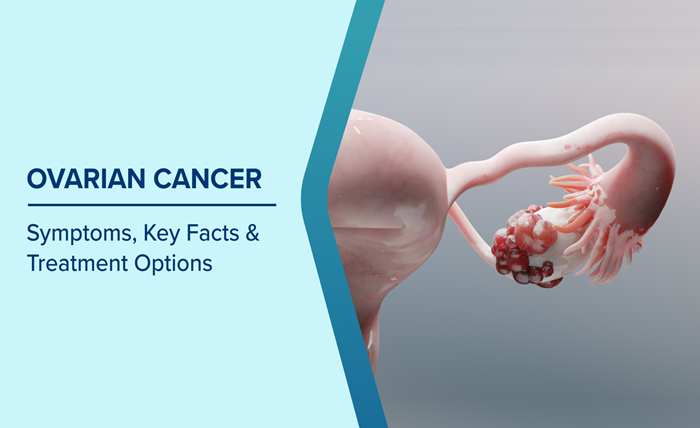
Bloating happens to nearly everyone at some point, usually from eating too much or consuming foods that cause gas. Most bloating disappears within hours or a day without any medical intervention needed. However, continuous bloating that lasts weeks or months sometimes signals ovarian cancer, though this remains relatively uncommon.
The challenge sits in differentiating between normal digestive bloating and patterns that justifies medical evaluation for potential serious conditions. Understanding specific characteristics that separate ordinary bloating from concerning symptoms helps us to make informed decisions about seeking medical care.
Understanding Normal Bloating Versus Concerning Patterns
Everyday bloating typically connects to specific triggers like eating beans, carbonated drinks and large meals that temporarily protect the abdomen. This bloating usually peaks after eating and improves overnight or within several hours of the triggering meal. The abdomen returns to normal size once digestion completes.
Concerning bloating continues daily; regardless of food intake patterns or follows a progressive pattern where the abdomen grows larger over weeks. Bloating and ovarian cancer creates constant abdominal swelling that does not get resolved with typical remedies like avoiding gas-producing foods or taking digestive aids. The bloating might worsen throughout the day rather than improving after bowel movements.
Ovarian Cancer Symptoms Beyond Just Bloating
Ovarian cancer symptoms rarely appear as isolated bloating alone without other additional signs that create a recognizable pattern over time. Pelvic or abdominal pain that recurs frequently often accompanies the bloating in cases involving actual cancer. Feeling full extremely quickly when eating even small amounts shows another common symptom.
Urinary symptoms including increased urgency to urinate despite drinking normal fluid amounts also appear frequently in ovarian cancer cases. These symptoms developing together persistently for more than two weeks create a pattern deserving medical evaluation rather than ending as normal digestive issues.
What Bloating From Ovarian Cancer Actually Feels Like
Ovarian cancer bloating creates a sensation of fullness and pressure deep in the pelvis or lower abdomen that feels different from stomach bloating. The bloating often appears lower in the abdomen rather than in the upper digestive area where food-related bloating typically occurs. Clothing around the waist becomes tighter even when eating habits have not changed.
The bloated stomach ovarian cancer symptoms remain relatively constant throughout the day rather than fluctuating with meals and digestion cycles. Some women notice their abdomen appears visibly larger with one side bulging more than the other in advanced cases.
Other Warning Signs That Accompany Bloating
Unexplained weight loss despite persistent bloating creates a concerning combination that deserves prompt medical evaluation for multiple possible conditions. Fatigue that interferes with normal daily activities and does not improve with rest sometimes accompanies bloating and other symptoms. Back pain in the lower region without obvious injury or strain might indicate disease affecting pelvic organs.
Changes in bowel habits including constipation or diarrhoea lasting more than a few weeks combined with bloating warrant investigation. Abnormal vaginal bleeding, particularly after meno-pause when periods have stopped completely, requires immediate medical assessment regardless of bloating presence.
Who Faces Higher Risk
Women over 50 years old develop ovarian cancer more frequently than younger women, with risk increasing steadily after meno-pause occurs. Family history of ovarian, breast, or colon cancer in close relatives like mothers, sisters, or daughters substantially increases personal risk. Genetic mutations in BRCA1 or BRCA2 genes create the highest risk levels.
Women who never had children or had their first child after age 35 show slightly elevated risk compared to those who had children younger. Long-term use of fertility treatments and hormone replacement therapy for extended periods also associate with modest risk increases.
Getting Proper Medical Evaluation
Doctors perform pelvic examinations to check for enlarged ovaries or masses that might explain persistent symptoms causing concern. Transvaginal ultrasound provides detailed images of ovaries and surrounding structures, revealing abnormal growths or fluid accumulation. Blood tests measuring CA-125 protein levels help assess cancer likelihood, though elevated levels occur in other conditions too.
Definitive diagnosis requires tissue sampling through biopsy or surgical removal of suspicious masses for pathological examination under microscopes. CT scans or MRI imaging show disease extent if cancer gets confirmed, guiding ovarian cancer treatment planning.
Treatment Approaches When Cancer Is Diagnosed
Ovarian cancer treatment typically combines surgery to remove tumours and affected organs with chemotherapy that kills remaining cancer cells throughout the body. Surgery might involve removing ovaries, fallopian tubes, uterus, and nearby lymph nodes depending on disease extent found during operation. Chemotherapy usually follows surgery to eliminate microscopic disease that imaging cannot detect.
Targeted therapies and immunotherapy drugs provide additional treatment options for specific cancer subtypes or cases where disease returns after initial treatment. Treatment outcomes depend on cancer stage at diagnosis, with earlier detection generally allowing better disease control.
Recognising When Bloating Needs Medical Attention
Most bloating does not indicate ovarian cancer and resolves without medical intervention through dietary adjustments or over-the-counter remedies. However, bloating persisting daily for more than two weeks combined with pelvic pain, eating difficulty, or urinary changes, warrants prompt medical evaluation by specialists in obstetrics and gynaecology. These symptom combinations occurring together create patterns that deserve investigation regardless of age.
Trusting instincts about body changes matters because women often sense when something feels different from normal digestive issues. Seeking medical evaluation for persistent concerning symptoms allows either reassurance that nothing serious exists or early detection if cancer is present.