How General Dentistry Supports Long-Term Restorative Success

Long-term success after crowns, implants, or bridges does not happen by chance. It starts in the general dentist chair. In a trusted dentist office in Georgetown TX, you get steady checkups, cleanings, and honest talks that protect the work you already paid for. You catch small cracks before they spread. You spot gum trouble before it reaches the bone. You adjust your bite before it wears down new restorations. Each visit builds on the last. Over time, your mouth stays stable. Your chewing stays strong. Your smile stays natural. You spend less time in urgent visits and more time in simple care. You also learn what to watch for at home so you can act early when something feels off. This blog explains how steady general care supports every crown, filling, bridge, and implant in your mouth.
Why routine general care protects your restorations
Every crown, filling, and implant faces three constant threats. These are plaque, bite pressure, and gum disease. General dentistry focuses on these threats before they ruin your treatment.
Cleanings remove sticky film that causes decay around the edges of crowns and fillings. Exams find early damage that you cannot feel yet. Bite checks keep chewing forces even, so a single tooth does not take all the strain.
The American Dental Association explains that regular visits help prevent decay and gum disease that lead to tooth loss.
Your role between visits
Restorations do not get cavities. The tooth next to them does. That is why home care matters as much as office care.
Focus on three steps.
- Brush two times each day with fluoride toothpaste
- Clean between teeth once each day with floss or a small brush
- Use a mouth rinse if your dentist suggests it
The National Institute of Dental and Craniofacial Research shows that good daily care cuts the risk of decay and gum disease.
How general dentistry protects different restorations
Each type of restoration needs a slightly different plan. A general dentist tracks them together so your whole mouth stays in balance.
General care needs for common restorations
| Restoration type | Main risk without care | Key general dentistry support |
|---|---|---|
| Crowns | Decay at crown edges | Check margins, clean along gumline, adjust bite |
| Fillings | New decay around filling | X-rays, replace worn fillings, seal small gaps |
| Bridges | Decay on support teeth | Teach cleaning under the bridge, check bite, treat gum swelling |
| Implants | Bone loss from gum infection | Measure gums, clean around implant, review home tools |
How often you should see a general dentist
Most people do well with a visit every six months. Some need closer care. For example, you may need visits every three or four months if you have diabetes, dry mouth, a history of gum disease, or many crowns and implants.
Your general dentist looks at your whole history. Then they set a recall schedule that protects your past treatment and your budget. Short visits now often prevent large work later.
What happens during a maintenance visit
A strong maintenance visit follows a clear pattern.
- Review of your health and any new medicines
- Discussion of any pain, looseness, or food traps
- Careful exam of teeth, gums, and restorations
- Cleaning above and below the gums
- Bite check for high spots or shifting teeth
- Plan for any repairs, with clear steps and timing
This steady rhythm turns scary treatment into simple upkeep.
Warning signs you should not ignore
Between visits, call your dentist if you notice any of these signs.
- Soreness when you chew on a crown, bridge, or implant
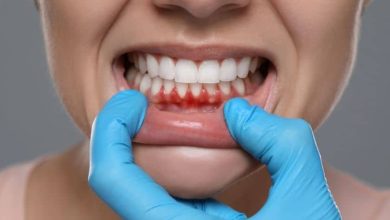
- Bleeding gums around any restoration
- A bad taste or smell near one tooth
- Sensitivity to cold or sweet at a filling edge
- A loose crown, bridge, or implant crown
Early visits for these signs often mean quick fixes. Waiting can turn a small repair into a full replacement.
How general dentistry saves money and stress
Restorative work costs time and money. General care protects that effort.
Regular cleanings and minor repairs are far less costly than new crowns or implant surgery. They also shorten the time away from work and family. You stay ahead of problems. You avoid late-night pain and emergency visits.
Putting it all together
General dentistry and restorative dentistry are not separate. They support each other. Restorations give you strength and comfort. General care keeps them working.
When you keep a steady schedule, follow home care steps, and speak up when something feels wrong, you give your crowns, fillings, bridges, and implants the best chance to last. You protect your health, your confidence, and the treatment you already completed.