4 Signs It’s Time To Update Your Preventive Dental Routine
Your mouth changes with time. Old habits that once worked may now leave you exposed to silent damage. You might brush and floss every day, yet still feel unsure. You deserve clear signs, not guesswork. This guide shows four warning signals that your current routine no longer protects you. Each one is simple. Each one points to a risk you should not ignore. You will see how small daily choices can raise your chance of pain, infection, or tooth loss. You will also see how a trusted Long Island, NY dentist can help you reset your routine with calm, steady steps. No scare tactics. Just straight talk about what your teeth and gums are trying to tell you, and what to do next.
Sign 1: You See Blood When You Brush Or Floss
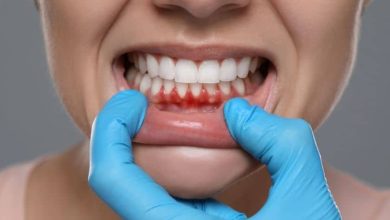
Blood on your toothbrush or floss is not normal. It is a warning. Your gums react to plaque and bacteria. They swell. They pull away from your teeth. They bleed when touched.
You may tell yourself it is from brushing too hard. You may think it will pass. It usually does not. Bleeding that comes back again and again often means early gum disease.
Change your routine when you notice:
- Pink on your toothbrush bristles
- Red in the sink after you spit
- Blood on your floss
- Gums that feel puffy or sore
First, switch to a soft toothbrush. Then brush gently for two minutes. Next, floss once a day with slow, careful strokes. Finally, schedule a checkup. The Centers for Disease Control and Prevention explain that untreated gum disease can lead to loose teeth and tooth loss. Early care blocks that path.
Sign 2: You Have Ongoing Bad Breath Or A Bad Taste
Bad breath that lingers is often a sign of plaque buildup. Food and bacteria collect between teeth, under the gums, and on the tongue. They release gases that smell unpleasant. You may also notice a sour or metallic taste.
Mints and mouthwash hide the smell for a short time. They do not fix the cause. When breath stays bad after brushing and flossing, your routine needs an update.
Look for these signals:
- Morning breath that stays for hours
- People step back when you speak at close range
- A constant bad taste, even after you eat or drink
Adjust your steps.
- Brush your tongue every time you brush your teeth
- Use floss or interdental brushes between every tooth
- Drink water often, especially after meals and snacks
Then talk with your dentist. Persistent bad breath can also be connected to sinus trouble, dry mouth, or other health issues. The National Institute of Dental and Craniofacial Research notes that dry mouth raises your risk of tooth decay and infection. A simple change in your daily plan can protect you.
Sign 3: You Notice New Sensitivity Or Pain
Teeth that suddenly react to cold water, hot food, or sweet drinks are sending a clear message. Something has changed. You may have thinning enamel, exposed roots, small cracks, or early decay. Your routine might not match your current risk.
You should pay close attention when you feel:
- A quick, sharp twinge with cold air or ice water
- Lingering ache after hot coffee or tea
- Pain when you bite or chew
Do not wait for pain to become severe. Instead, make three changes.
- Switch to fluoride toothpaste for sensitivity
- Cut down on sipping sugary drinks throughout the day
- Avoid brushing right after acid drinks such as soda or citrus juice
Then get an exam. Your dentist can check for grinding, cavities, or gum loss. Early treatment protects your teeth and can keep you from needing more complex care later.
Sign 4: Your Last Dental Visit Was Over One Year Ago
If you cannot remember your last cleaning, your routine is out of date. Time alone wears down teeth. Plaque hardens into tartar. You cannot remove tartar at home. You need a professional cleaning.
Regular visits give you three strong forms of protection.
- Deep cleaning that reaches spots your brush and floss miss
- Early spotting of small problems before they grow
- Personal advice based on your age, health, and habits
Many people think they can skip visits if they feel fine. Yet small cavities and gum disease often cause no pain at first. By the time you feel something, damage may be larger and more costly to fix.
How Your Routine Measures Up
Use this simple table to compare a common outdated routine with an updated one that protects better.
| Habit | Outdated Routine | Updated Routine
|
|---|---|---|
| Brushing | Once a day, fast, hard pressure | Two times a day, two minutes, gentle pressure |
| Flossing | Only before a visit or when food is stuck | Every day, slow up and down motion on each tooth |
| Toothbrush | Old brush, stiff bristles, not replaced for a year | Soft bristles, replaced every three to four months |
| Dental visits | Only when there is pain or a broken tooth | Checkup and cleaning every six to twelve months |
| Snacks and drinks | Frequent sugary snacks and sipping sweet drinks | Limited sweets, more water, snacks with meals |
Simple Steps To Reset Your Preventive Routine
Once you see the signs, take action. You can reset your routine in three clear steps.
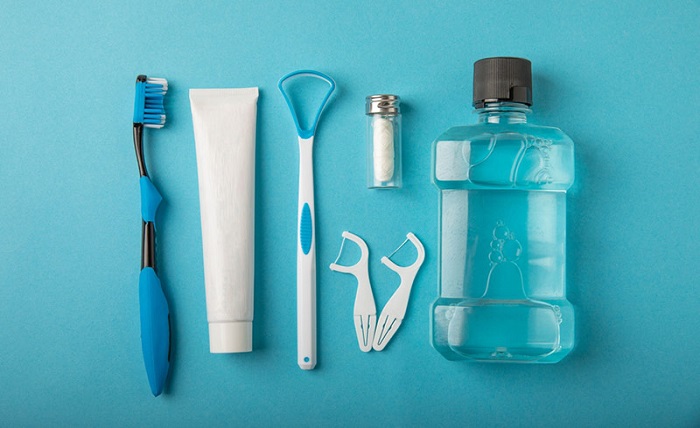
- First, update your tools. Get a soft toothbrush, fluoride toothpaste, and floss or interdental cleaners.
- Next, set a fixed schedule. Brush after breakfast and before bed. Floss at the same time each day.
- Finally, book a dental visit. Share what you notice. Ask for a plan that fits your age, health, and daily life.
Your mouth sends signals. Bleeding, bad breath, sensitivity, and long gaps between visits all point to the same truth. Your current routine no longer gives enough protection. With clear steps and steady care, you can restore comfort and guard your smile for years to come.