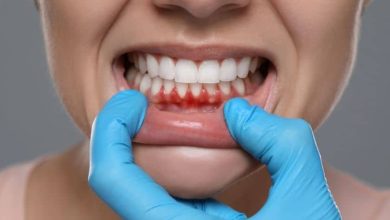
4 Cosmetic Dentistry Procedures That Transform Smiles Across Generations
A strong smile shapes how you see yourself. It also shapes how your children and parents see you. Cosmetic dentistry can repair damage, correct long term wear, and restore teeth that no longer match how young you feel inside. Today, care is steady, safe, and tailored to your life stage. You might want whiter teeth for job interviews. Your teen might need straighter teeth for better confidence at school. Your parent might need secure replacement teeth to enjoy food again. Every choice affects daily life, family photos, and simple moments at the table. A trusted dentist in Arlington, VA can guide you through options that fit your goals and budget. This blog explains four proven cosmetic dentistry procedures that support strong, natural looking smiles for children, adults, and older adults. You deserve clear facts, honest guidance, and a plan that respects your time and history.
1. Teeth Whitening for a Brighter, Cleaner Look
Stains build slowly. Coffee, tea, smoking, and some medicines darken teeth over time. Even careful brushing does not remove deep stains. Professional whitening uses stronger products than store kits. It also protects your gums.
Here is what to expect from in office whitening:
- Your dentist checks your teeth and gums for decay or gum disease.
- Your lips and gums get covered for protection.
- A whitening gel goes on your teeth in short rounds.
- You see a change in about one hour.
At home, whitening trays from your dentist work more slowly. They use custom trays and safe gel. You wear them for short daily sessions. You gain control over how light you want your teeth.
The National Institute of Dental and Craniofacial Research explains that healthy enamel can respond well to these treatments. First, you need a checkup. That way, you avoid pain from hidden decay or cracks.
2. Dental Veneers for Shape, Color, and Small Gaps
Veneers are thin shells that cover the front of teeth. They hide chips, stains, uneven edges, and small gaps. They can also make slightly crooked teeth look straight.
Veneers can help if you or a family member has:
- Front teeth that look worn or short
- Stains that do not change with whitening
- Teeth with uneven spacing or rough edges
The process usually takes two or three visits.
- First visit. You share your goals. Your dentist checks your bite and gum health.
- Second visit. A small layer of enamel comes off the front of each treated tooth. Then your dentist takes a mold for the lab.
- Third visit. The veneers get tried in, adjusted, and bonded in place.
Older adults use veneers to cover years of wear. Teens close to adulthood may use them to fix chipped or misshaped teeth after injury. Every veneer case needs careful planning. Once enamel is removed, you always need some form of cover on that tooth.
3. Clear Aligners and Braces for Straighter Teeth
Crooked teeth affect more than looks. Crowded or twisted teeth are harder to clean. This raises the risk of decay and gum disease. The Centers for Disease Control and Prevention link poor alignment with gum stress and bone loss.
There are two main paths for straightening teeth.
| Treatment | Best For | Appearance | Care Needs
|
|---|---|---|---|
| Traditional Braces | Moderate to severe crowding or bite problems | Visible brackets on teeth | Regular brushing around brackets and wires |
| Clear Aligners | Mild to moderate crowding or spacing | Nearly invisible trays | Wear 20 to 22 hours daily and clean trays |
Children and teens often start with braces. Their jaws are still growing. This makes changes easier. Adults often choose clear aligners for a more discreet look at work.
Every age group needs three habits.
- Brush and floss with care around any hardware.
- Keep all checkups for wire changes or new trays.
- Wear retainers after treatment to hold the new position.
Without retainers, teeth can shift back. This wastes time and money and can hurt your trust in dental care.
4. Dental Implants and Bridges for Missing Teeth
Missing teeth change how you chew, speak, and smile. They also let nearby teeth move out of place. This can strain your jaw and your confidence.
Two common solutions are implants and bridges.
| Option | What It Is | Best Match | Key Point
|
|---|---|---|---|
| Dental Implant | A post placed in the jaw with a crown on top | Single or several missing teeth with strong bone | Does not rely on nearby teeth for support |
| Dental Bridge | A row of teeth that connects to teeth on each side | One or two missing teeth in a row | Uses nearby teeth as anchors |
Younger adults may need implants after accidents or sports injuries. Middle-aged adults often use implants or bridges to replace teeth lost from decay or gum disease. Older adults may pair implants with dentures for a more stable bite.
The process takes time.
- First, you get full X-rays and a gum and bone exam.
- Next comes placement surgery for implants or shaping of support teeth for a bridge.
- Then comes healing and a final crown or bridge fitting.
Strong daily care and regular cleanings protect these new teeth. Flossing under and around bridges and implants is key. Skipping this step can lead to infection and failure.
Choosing the Right Procedure for Your Family
Each person in your family has different needs.
- Children often need early straightening and repair of chips.
- Adults often want whitening, mild straightening, or veneers.
- Older adults often need replacement teeth and repair of heavy wear.
Start with a full exam and a clear talk about your goals. Ask for photos of past cases. Ask about cost, number of visits, and how long results will last. A calm, honest plan should protect your health first and then your smile.
Cosmetic dentistry is not about chasing perfection. It is about helping you eat, speak, and smile with steady comfort at every age.