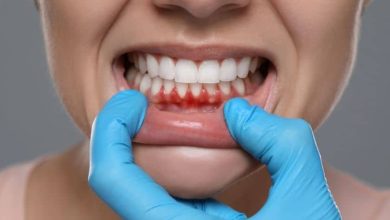
3 Steps Families Can Take To Prepare For Dental Emergencies
Dental emergencies strike fast and hit hard. A broken tooth, sudden swelling, or a child in sharp pain can leave you scared and unsure of what to do. You cannot predict every crisis. You can control how ready you are. This blog gives you three clear steps to protect your family before trouble starts. You will learn how to spot true emergencies, how to build a simple home kit, and how to find urgent help even at night or on weekends. You will also see how Santa Rosa dentistry fits into your safety plan so you are not scrambling for a number when every minute counts. Preparation reduces panic. It protects your child’s smile, your own health, and your peace of mind. Start now so your family is not caught off guard when the next tooth breaks, crown falls off, or pain wakes you from sleep.
Step 1: Learn what counts as a true dental emergency
When pain hits, every problem feels urgent. Still, some tooth problems can wait a day. Other problems need care right now. Knowing the difference helps you act fast when it matters.
True emergencies usually include three things. There is strong pain. There is bleeding or swelling. There is a risk of losing a tooth or harming your health.
Call a dentist or seek urgent care right away if you or your child has:
- A knocked out permanent tooth
- A tooth that is loose after a hit to the mouth
- Swelling in the face or jaw with pain
- Trouble breathing or swallowing with mouth swelling
- Bleeding that does not slow after you press on it with clean cloth
- Sudden strong pain after a crack, fall, or blow
Other problems also need quick care, even if you can wait a few hours.
- Lost filling or crown
- Chipped tooth without pain
- Mild toothache that comes and goes
Step 2: Build a simple home dental emergency kit
You keep bandages and pain pills at home. You also need a kit for mouth injuries. This kit does not replace a dentist. It buys you time and lowers fear until you get care.
Use a small box or bag. Store it where adults can reach it fast. Check it twice a year.
Pack these supplies:
- Clean gauze pads
- Small clean cloths
- A small container with a lid
- Saline solution or clean water
- Over-the-counter pain medicine for adults
- Over-the-counter pain medicine for children
- Cotton swabs
- Disposable gloves
- Cold pack
- Dental floss
- Small flashlight
- List of all family medicines and allergies
- Printed emergency steps for knocked out teeth, bites, and pain
Use this table as a quick guide during stress.
| Problem | First actions at home | When to call a dentist or 911
|
|---|---|---|
| Knocked out permanent tooth | Pick up the tooth by the crown. Rinse gently. Try to place it back in the socket. If not, place in milk or saliva in a container. | Call a dentist right away. Call 911 if there is heavy bleeding or trouble breathing. |
| Cracked or broken tooth | Rinse mouth with warm water. Use a cold pack on the cheek. Save any pieces. | Call a dentist the same day. Call 911 if the jaw looks broken. |
| Severe toothache | Rinse with warm salt water. Use floss to clear food. Use pain medicine as directed. | Call a dentist as soon as you can. Call 911 if swelling spreads to the face or neck. |
| Bitten tongue or lip | Gently clean the cut. Press with gauze to slow bleeding. Use a cold pack on the lip or cheek. | Call a dentist or doctor if bleeding lasts more than 10 minutes. |
| Object stuck between teeth | Try floss. Do not use sharp tools. | Call a dentist if the object will not move or pain grows. |
Step 3: Create an emergency dental plan for your family
Stress scrambles thinking. A clear plan helps you move with purpose. It also helps you care for children or older adults who depend on you.
Write your plan on one sheet of paper. Keep copies in your home kit, your car, and your phone.
Your plan should include three parts.
First, list your main dentist. Include name, address, phone, and office hours. Include your insurance details and any special needs for family members.
Second, list a backup dentist or urgent care clinic for nights and weekends. Santa Rosa dentistry can be one part of this list if you live nearby or visit often.
Third, write short steps for the most likely problems in your home. For example:
- If a tooth is knocked out, act within 30 minutes when possible.
- If there is swelling with fever, call the dentist or doctor the same day.
- If a child hits their head or teeth, watch for signs of a concussion and call the doctor.
Practice these steps with older children. Use calm words. Encourage them to tell you at once if they feel pain, see blood, or notice a loose tooth after a fall.
Keep your family ready and calm
Dental emergencies shock you. Preparation brings control. You now know how to spot real danger, how to use a home kit, and how to follow a clear plan.
Take these three actions this week. Talk with your dentist. Stock your kit. Post your plan. Your future self will feel deep relief when trouble comes, and you already know what to do.