
Why Traditional SUVs Like the Mahindra Scorpio N Still Appeal to Indian Buyers
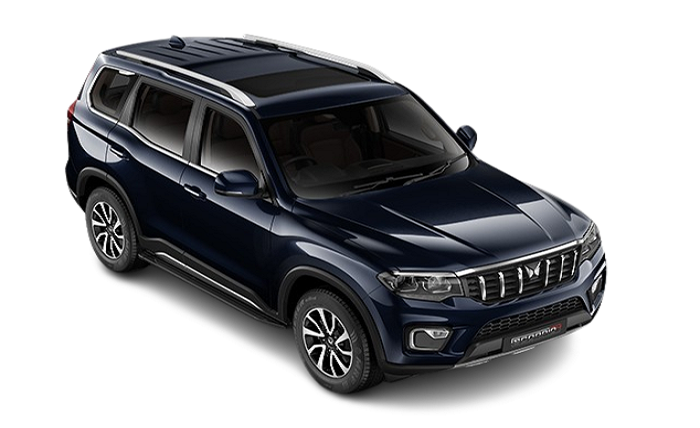
Despite the rapid growth of crossover and monocoque SUVs in India, traditional ladder-frame SUVs continue to attract a steady stream of buyers. While urban-focused SUVs emphasise comfort, compact dimensions, and feature density, vehicles such as the Mahindra Scorpio N demonstrate that there remains a strong appetite for structurally robust, utility-driven formats. This continued appeal reflects a combination of practical realities, cultural preferences, and long-standing trust in traditional SUV engineering.
Understanding why such vehicles remain relevant helps explain the diversity within India’s SUV market.
Durability Suited to Diverse Road Conditions
India’s road infrastructure varies dramatically across regions. Smooth expressways coexist with rural roads, broken surfaces, and unpredictable terrain. Traditional SUVs built on ladder-frame platforms are often better suited to handle these variations.
The Mahindra Scorpio N’s body-on-frame construction offers structural strength that appeals to buyers who regularly travel outside city limits. For those in semi-urban and rural areas, durability is not a luxury but a necessity. The ability to withstand demanding conditions without excessive wear contributes significantly to long-term ownership confidence.
This focus on resilience continues to resonate with buyers who prioritise consistency over refinement.
A Sense of Strength and Road Presence
Traditional SUVs often carry a visual and physical presence that smaller crossovers cannot replicate. Taller stance, wider proportions, and solid construction contribute to a feeling of authority on the road.
For many Indian buyers, particularly those upgrading from smaller vehicles, this sense of strength plays an important role in purchase decisions. The Scorpio N’s upright design and commanding seating position reinforce this appeal, offering improved visibility and driving confidence.
This preference for substantial vehicles is partly cultural, reflecting the enduring perception of SUVs as capable, dependable machines rather than purely lifestyle accessories.
Capability Beyond Urban Limits
Urban SUVs are typically optimised for paved roads and city traffic. In contrast, traditional SUVs are designed to handle mixed terrain with greater ease.
The Scorpio N offers drivetrain options that support varied usage, including rear-wheel drive and four-wheel drive configurations. For buyers who travel long distances, carry heavy loads, or navigate uneven roads, this versatility is an important advantage.
Rather than choosing an SUV solely for urban commuting, many buyers value a vehicle that can adapt to multiple scenarios without compromise.
Mechanical Familiarity and Service Accessibility
Another reason traditional SUVs remain appealing is mechanical familiarity. Ladder-frame vehicles with torque-rich diesel engines are well understood by technicians across India. In regions where access to specialised service centres may be limited, mechanical simplicity can be reassuring.
Buyers planning extended ownership often consider:
- Ease of servicing
- Availability of spare parts
- Predictable maintenance schedules
The Scorpio N’s design philosophy aligns with these priorities, offering capability without excessive technological complexity.
Balancing Modern Features with Traditional Strength
While traditional SUVs prioritise durability, they have evolved to include modern features expected by today’s buyers. The Scorpio N incorporates digital infotainment systems, connected technology, and driver assistance features alongside its structural robustness.
This balance allows it to appeal to buyers who want modern convenience without sacrificing core strength. It demonstrates that traditional SUVs can adapt to changing expectations while retaining their defining characteristics.
How Buyers Evaluate Traditional SUVs Today
The evaluation process for SUVs has become increasingly research-driven. Buyers no longer rely solely on dealership visits; instead, they compare specifications, safety systems, and ownership factors online before shortlisting.
On platforms such as ACKO Drive, where buyers can explore vehicles, read expert reviews, and even purchase cars online, traditional SUVs like the Scorpio N are often assessed for durability, capability, and long-term suitability rather than just feature count. This approach highlights how buyers are intentionally choosing traditional formats for specific needs rather than defaulting to them.
Emotional and Generational Factors
Traditional SUVs also carry generational familiarity. Models such as the Scorpio have built recognition over decades, contributing to brand trust and emotional attachment. Buyers who associate such vehicles with reliability or aspiration may feel more confident selecting updated versions.
This emotional continuity strengthens the appeal of traditional SUVs even as newer formats gain popularity.
Conclusion
Traditional SUVs like the Mahindra Scorpio N continue to appeal to Indian buyers because they address needs that remain relevant: durability, capability, structural strength, and long-term reliability. While the SUV market has expanded to include more comfort-oriented crossovers, ladder-frame vehicles still serve buyers whose driving extends beyond smooth urban roads.
Rather than competing directly with modern crossovers, traditional SUVs coexist by offering a different set of strengths. In a market as diverse as India’s, that distinction ensures their continued relevance and demand.