Why Orthodontics Is About More Than Just Straight Teeth
You might be looking at your child’s smile, or your own in the mirror, and thinking, “The teeth are a bit crooked, but it’s mostly cosmetic, right” You may feel guilty for even worrying about it, or worried that you are about to spend a lot of money on something that seems like a “nice to have,” not a need. At this point, many people start searching for a Bronxville and Eastchester orthodontist to help them understand whether treatment is truly necessary.
At the same time, you probably sense there is more going on than what you see in photos. Maybe your child avoids smiling, or you notice they struggle to bite into certain foods. Maybe your jaw feels tired at the end of the day, or your teeth seem to be wearing down faster than they should. Because of this tension, you might be stuck between doing nothing and feeling pressured into treatment you do not fully understand.
Here is the short version. Orthodontics is about far more than straight teeth. It is about how your teeth, jaws, muscles, and airway work together every day when you eat, speak, breathe, and sleep. A well-planned orthodontic treatment can improve comfort, long-term oral health, confidence, and even how your face ages. Straight teeth are simply the most visible part of the story.
So, where does that leave you? You deserve a clear, calm explanation of what orthodontic care really does, what happens if you wait, and how to make thoughtful choices without being pushed.
Is It Really “Just Cosmetic,” Or Is Something Deeper Going On
It often starts with something small. A dentist mentions crowding. A teacher notices a child’s speech sounds a bit off. You see a photo and realize your top and bottom teeth do not meet the way they used to. It feels minor, so you put it off.
Then the questions begin. Will this get worse? How much will it cost? Will braces hurt? Will aligners even work for my situation? You might even feel embarrassed, as if caring about your smile is shallow. That mix of doubt and worry can make it tempting to do nothing and hope it all sorts itself out.
The trouble is that teeth and jaws are part of a moving system. When they are out of balance, that system quietly compensates, often for years. Because of that, problems that start as “just crooked teeth” can grow into issues that affect daily life.
For example, consider three common “what if” situations.
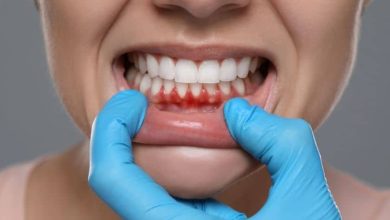
What if your bite is off, even if your teeth look mostly straight? When upper and lower teeth do not fit together, your jaw joints and chewing muscles take the load. Over time, this can lead to jaw pain, headaches, worn or chipped teeth, and difficulty chewing certain foods.
What if crowding makes it hard to clean between teeth? Even if you brush and floss, tight overlaps trap plaque. This raises the risk of cavities and gum disease. Straightening teeth can make hygiene simpler and more effective, which matters for your health in your 40s, 50s, and beyond.
What if a child’s jaw growth is off track? A narrow upper jaw or a deep overbite can affect speech, chewing, and sometimes airway and sleep. Early orthodontic guidance can help jaws grow in a more balanced way and can reduce the need for more complex treatment later.
This is why orthodontists are trained to look beyond appearance. They study how teeth move and how the bite, muscles, and jaw joints work together. If you are curious about the kind of training orthodontists receive, you can explore how they are educated and certified through resources from the American Association of Orthodontists, including their overview of why orthodontic care matters beyond straight teeth.
What Problems Can Thoughtful Orthodontic Care Actually Help With
Once you understand that orthodontic treatment is about more than straight teeth, the next question is natural. What can it really change in day-to-day life
Here are some of the less obvious ways treatment can help.
- Chewing and digestion
If your bite is uneven, you may chew mostly on one side or struggle with certain foods. Poor chewing can make digestion harder and can cause one side of your jaw to work overtime. Orthodontic care aims to create a balanced bite so that chewing feels easier and more natural. - Speech and clarity
Teeth and tongue position affect how certain sounds are formed. Gaps, open bites, or severe overjets can contribute to lisps or unclear speech. In children, correcting these issues can support clearer speech. In adults, it can help reduce habits that have been present for years. - Jaw joint comfort and headaches
An unbalanced bite can strain the temporomandibular joints and surrounding muscles. This can show up as jaw clicking, soreness when waking, tension in the neck, or frequent headaches. Aligning the bite often reduces this strain and can improve comfort. - Gum health and tooth wear
When teeth hit too hard in some spots and not at all in others, they can wear down unevenly. Crowded teeth also make brushing and flossing more difficult. Orthodontic treatment can reduce abnormal wear patterns and create spacing that is easier to keep clean, which supports long-term gum health. - Confidence and social comfort
This part is personal and very real. People with smiles they dislike often hide in photos, cover their mouths when they laugh, or avoid certain social situations. A thoughtfully aligned smile can change how someone feels walking into a room, interviewing for a job, or simply speaking up in class.
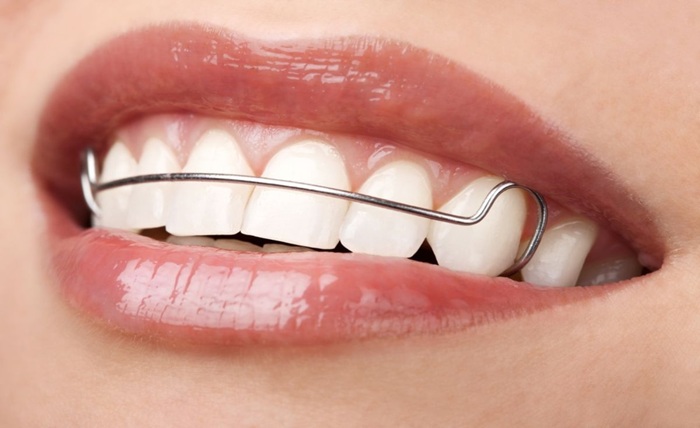
If you want a straightforward look at the kinds of orthodontic treatments available today, from braces to clear aligners and more specialized options, you can review the treatment types described by the AAO in their guide to common orthodontic treatments.
How Do DIY Options Compare To Seeing A Trained Orthodontist
You may have seen mail-order aligners or “fast fix” options that promise straight teeth with minimal visits. It is natural to wonder whether those are enough, especially if cost is a concern.
To make the choice clearer, here is a comparison of do-it-yourself style straightening and working with a certified orthodontist.
| ASPECT | DIY TEETH STRAIGHTENING | ORTHODONTIST GUIDED TREATMENT |
| Primary focus | Appearance of front teeth | Appearance, bite function, jaw health, and stability |
| Initial evaluation | Often based on photos or simple scans | Clinical exam, detailed records, and personalized diagnosis |
| Monitoring during treatment | Limited remote check ins | Regular visits and adjustments as teeth and jaws respond |
| Ability to address bite problems | Usually minimal | Full correction of overbite, crossbite, open bite, and more |
| Risk of unnoticed issues | Higher risk of root damage, gum problems, or a worse bite if something goes wrong | Risks monitored and managed by a specialist in tooth movement |
| Long term stability | May look straight at first, but can relapse if the bite is not balanced | Treatment designed for both aesthetics and lasting function |
| Who plans your care | Often limited or no direct specialist involvement | Care planned and supervised by a certified orthodontist |
When you remember that orthodontic care is about how your teeth and jaws work, not just how they look, it becomes easier to see why professional supervision matters. If you would like to understand more about what board certification means and how specialists maintain standards, the American Board of Orthodontics has patient-friendly information on what board-certified orthodontists do and why it matters.
What Can You Do Right Now To Move From Worry To Clarity
You do not need to have everything figured out to take a few smart steps. Here are three practical actions that can bring you real clarity.
- Write down specific concerns before any consultation
Instead of walking into an appointment and hoping you remember everything, take ten minutes to list what actually bothers you. Is it chewing on one side only? Jaw fatigue, morning headaches, a child’s teasing at school about their teeth or braces, your questions about cost and timing
Bring this list with you. It gives the orthodontist a clearer picture of your priorities, and it helps you walk away feeling that your real concerns were heard, not just your X-rays reviewed. - Ask about function, not just appearance
During any visit, include questions like “How is my bite affecting my teeth or jaw joints?” and “What could happen if I do nothing for five or ten years?” Also, ask “How will this plan help with cleaning, chewing, or comfort, not just straightness?”
The answers will help you see whether the proposed plan treats only what you can see or also addresses the underlying mechanics that matter for long-term health. - Compare options and timelines, not just prices
Cost matters, and it is fair to ask about it openly. At the same time, compare what you are getting. Does one option finish faster but leave bite issues uncorrected? Does another take a bit longer but improves comfort, stability, and health
Ask for a simple explanation of why one approach is recommended over another. A good orthodontist will talk through tradeoffs with you in plain language so you can choose based on value, not just the lowest quote.
Moving Forward When You Know Orthodontics Is About More Than Straight Teeth
You are not wrong to care how your smile looks. You are also not overreacting if you sense that something about your bite or your child’s jaw growth does not feel quite right. Both can be true at once.
When you understand that orthodontics is about more than just straight teeth, the decision in front of you shifts. It is no longer “Do I care enough about appearances to spend this money?” It becomes “What kind of comfort, health, and confidence do I want for myself or my child in the years ahead?”
The next step does not have to be dramatic. You can start with a calm, information-focused consultation. Ask about how your teeth and jaws are working today. Ask what might change with carefully planned treatment. Most of all, make sure you feel listened to and respected.
You deserve a smile that looks good, works well, and lasts. Straight teeth are only the beginning of that story.