
Professional Gate Installation vs DIY: Making the Right Choice for Your Property
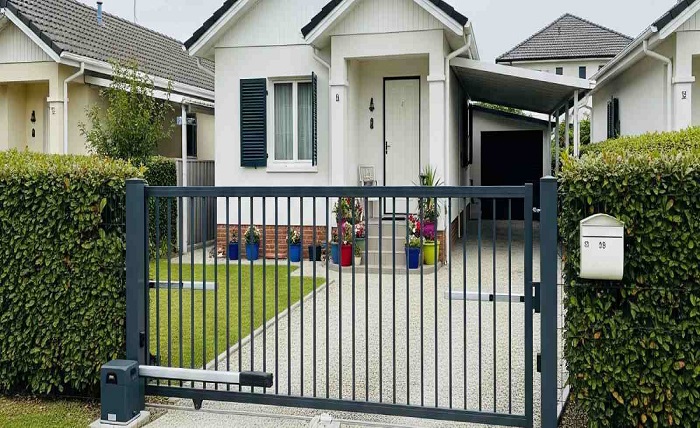
Installing a gate might seem like a straightforward DIY project, but the decision between professional installation and doing it yourself involves more considerations than many homeowners realize. While DIY projects can be rewarding and cost-effective, gate installation requires specialized knowledge, proper tools, and experience to ensure safety, functionality, and longevity.
This article explores the key differences between professional and DIY gate installation to help you make an informed decision for your property.
Benefits of Professional Gate Installation
1. Expertise and Experience
Professional installers bring years of specialized knowledge to your project. They understand local building codes, soil conditions, proper post depth requirements, and can handle unexpected challenges that arise during installation. This expertise ensures your gate functions correctly from day one and complies with all regulations.
2. Proper Tools and Equipment
Gate installation requires specialized tools that most homeowners don’t have on hand: post hole diggers, cement mixers, levels, and welding equipment for metal gates. Professional installers arrive with all necessary equipment and the expertise to use it correctly.
3. Time Efficiency
What might take a homeowner an entire weekend (or longer) can typically be completed by professionals in a single day. This efficiency minimizes disruption to your property and daily routine.
4. Warranty Protection
Professional installations typically include warranties covering both materials and workmanship. If issues arise, you have recourse without additional expense.
5. Safety Assurance
Improperly installed gates can pose serious safety hazards, from falling structures to gates that don’t close securely. Professional installers ensure your gate meets safety standards and functions reliably.
The Risks and Challenges of DIY Gate Installation
1. Structural Integrity Issues
Without proper training, DIYers often misjudge the depth needed for gate posts, especially in different soil types. Posts set too shallow will eventually lean or fall, requiring complete reinstallation. Professional installers understand soil composition and use appropriate post depths—typically 30-36 inches depending on gate size and soil conditions.
2. Alignment Problems
Gates must be perfectly level and aligned to function properly. Even slight misalignment causes operational issues, difficulty latching, and premature hardware wear. Correcting these problems after installation can be more expensive than professional installation from the start.
3. Hardware Compatibility
Selecting and installing the correct hinges, latches, and support hardware requires understanding weight distribution and stress points. Improper hardware selection leads to sagging, binding, or complete failure.
4. Hidden Costs
DIY projects often exceed initial budget estimates once you account for:
- Tool rental or purchase
- Material waste from mistakes
- Time investment
- Potential need for professional correction
5. Code Violations
Many municipalities have specific requirements for gate installations, particularly regarding height, setback distances, and automated features. Homeowners unfamiliar with these regulations risk fines and may be required to remove non-compliant installations.
Cost Analysis: DIY vs Professional
While DIY installation appears cheaper initially, comprehensive cost comparison tells a different story:
DIY Costs:
- Materials: $300-800 (depending on gate type)
- Tool rental: $100-300
- Concrete and hardware: $75-150
- Time investment: 16-24 hours (valued at $25/hour = $400-600)
- Total: $875-1,850
Professional Installation:
- Complete installation: $800-2,000 (materials + labor)
- Warranty included
- Guaranteed compliance
- Professional result
- Time saved: Full weekend
The cost difference narrows significantly when factoring in time, tools, and the risk of costly mistakes requiring professional correction.
When Professional Installation is Essential
Certain scenarios make professional installation not just advisable, but essential:
Automated Gate Systems: Gates with automatic openers, keypads, or smart home integration require electrical knowledge and precise sensor calibration. For homeowners considering gate installation in Cumming or similar suburban markets where automated systems are increasingly popular, professional installation ensures proper integration and safety sensor functionality.
Security Gates: Gates serving security purposes must be installed to resist forced entry. Professional installers understand reinforcement techniques and locking mechanisms that DIY installations typically lack.
Large or Heavy Gates: Gates exceeding 6 feet in height or made from heavy materials like wrought iron require specialized handling and structural support beyond typical DIY capabilities.
Making Your Decision
Consider professional installation if:
- Your gate is larger than 4 feet wide or 6 feet tall
- You’re installing automated features
- The gate serves a security function
- Your property has challenging soil or terrain
- You lack specific experience with fence/gate installation
- You want warranty protection
DIY may be appropriate only for:
- Simple, small pedestrian gates
- Straightforward installations with good soil conditions
- Homeowners with relevant construction experience
- Projects where time investment isn’t a concern
Conclusion
While DIY projects offer satisfaction and potential savings, gate installation presents unique challenges that often justify professional expertise. The investment in professional installation typically pays dividends through proper function, longevity, safety, and compliance. Before deciding, honestly assess your skills, available time, and the specific requirements of your project. Sometimes the wisest investment is ensuring the job is done right the first time.