How General Dentistry Supports
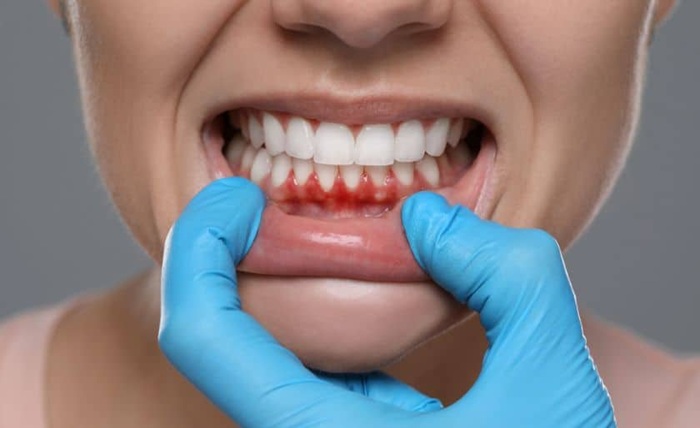
You might have started with a little bleeding when you brushed, or a bit of tenderness when you flossed, and told yourself it was nothing. Then one day you notice your gums look puffy, or your breath is hard to manage, and a quiet worry sets in. You know your teeth matter, but now you are realizing your gums carry just as much weight, and that can feel unsettling—especially if you haven’t yet found an experienced dentist in Asheville, NC.
If you are feeling a mix of concern, guilt, or even frustration, you are not alone. Many people assume that as long as teeth look white, everything is fine. Gum disease often grows in the background, with few obvious signs at first, so it is easy to miss. The good news is that everyday general dentistry for gum health is designed to catch these changes early, protect your mouth, and give you a clear path forward before things become urgent or expensive.
In simple terms, here is what you need to know. General dentists help prevent gum disease. They spot early warning signs during routine exams, remove the plaque and tartar that brushing cannot reach, teach you how to clean your mouth effectively at home, and step in with treatment when gums are already inflamed. With steady support, you can keep your gums healthy, reduce the risk of tooth loss, and often avoid painful emergencies.
Why do healthy gums matter so much, and what is really going on?
It can feel confusing when your gums start to bleed, because it often happens without a big change in your routine. You might think you are doing “enough” by brushing once or twice a day, so bleeding feels unfair. The truth is that gum disease is sneaky. It builds up slowly as plaque and bacteria gather along the gumline and between teeth.
According to public health data on gum and periodontal disease, many adults have some level of gum infection, often without knowing it. Early gum disease, called gingivitis, usually shows up as redness, swelling, and bleeding when you brush or floss. The trouble is that it is easy to ignore, because it might not hurt yet. Over time, though, untreated gingivitis can progress to periodontitis, which can damage the bone supporting your teeth and eventually lead to tooth loss.
So where does that leave you if you are already noticing symptoms or you are worried about your risk
This is where a preventive approach to gum care through general dentistry can change the story. Regular checkups and cleanings are not just about polishing your teeth so they look nice. They are about stopping infection early, guiding you on home care, and giving you the reassurance that someone is watching your oral health with you, not judging you from the outside.
How does general dentistry actually protect your gums day to day
You might wonder what a general dentist does for gums that you cannot do at home with a toothbrush and floss. The answer lies in both the tools and the trained eye.
During a routine visit, your dentist checks your gums for color changes, swelling, and bleeding. They measure the depth of the spaces between your teeth and gums, called pockets, which helps them see if gum disease is starting or getting worse. These are things you simply cannot measure on your own in the mirror.
Professional cleanings reach hardened deposits of plaque called tartar. Once plaque hardens, no home toothbrush will remove it. If tartar stays on your teeth, it irritates the gums and gives bacteria a place to thrive. By removing these deposits regularly, a general dentist cuts down the fuel for gum infection and supports long-term gum health.
General dentistry also offers early treatments when needed. If your gums are already inflamed, your dentist might suggest a deeper cleaning, sometimes called scaling and root planing, to clean below the gumline. They may recommend specific rinses, tools, or changes in technique so your daily brushing and flossing become more effective. This is what people mean when they talk about gum disease prevention through general dental care. It is a partnership between what happens in the chair and what you do every day at home.
Is home care enough, or do you really need a general dentist for gum health
It is natural to ask if you can manage your gums entirely on your own. You might think that if you brush more often or use a fancy mouthwash, you can skip professional care and avoid the cost. To help you weigh that, it can be useful to compare what happens with only home care versus working with a general dentist.
| Approach | What You Can Do On Your Own | What A General Dentist Adds |
|---|---|---|
| Daily Cleaning | Brushing twice a day, flossing, using fluoride toothpaste, and possibly an interdental brush. | Checks if your brushing and flossing are actually reaching problem areas, adjusts your technique, and recommends tools tailored to your mouth. |
| Removing Buildup | Removes soft plaque on exposed surfaces, but not hardened tartar. | Uses professional instruments to remove tartar above and below the gumline, which reduces irritation and infection risk. |
| Detecting Gum Disease | Notices bleeding or discomfort, but cannot measure pocket depth or bone loss. | Measures gum pockets, checks bone on X-rays, and diagnoses early gum disease before you feel major symptoms. |
| Long Term Outcomes | May control mild issues, but higher risk that silent disease goes unnoticed until more serious. | Lower risk of tooth loss and advanced infection because problems are found and treated earlier. |
Research on oral health tips for adults supports this combined approach. Good home care, plus regular dental visits, gives you the strongest shield against gum problems. You do your part every day. Your general dentist checks your progress and steps in when something starts to slip.
Three practical steps to protect your gums starting now
Gum health does not have to feel overwhelming. You do not need to change everything at once. You just need a few clear actions that you can stick with.
- Upgrade your daily routine with small, consistent changes
Focus on the basics, done well. Brush at least twice a day with a soft bristle brush and fluoride toothpaste. Aim for two minutes, gently angling the bristles toward the gumline. Floss once a day, even if your gums bleed at first. Bleeding is often a sign of inflammation that improves as gums get healthier.
If you find floss difficult, ask a general dentist about alternatives like interdental brushes or water flossers. The American Dental Association’s guidance on home oral care offers simple, practical tips you can follow right away.
- Schedule consistent visits with a general dentist, not just when something hurts
Many people wait until they feel pain to see a dentist. By that time, gum disease may already be advanced. Instead, think of your general dentist as your partner in keeping your gums strong. Regular checkups, usually every six months, give your dentist a chance to spot subtle changes in your gums long before you notice them.
If you have diabetes, smoke, or have a family history of gum disease, talk openly with your dentist. You may need more frequent cleanings. Being honest about your habits is not something to be ashamed of. It simply gives your dentist the information needed to protect your mouth in a realistic way.
- Pay attention to early warning signs and act quickly
Do not ignore red flags. If you notice bleeding when you brush, gums that look red or swollen, persistent bad breath, or teeth that feel a little loose, reach out to a general dentist sooner rather than later. These signs do not always mean severe disease, but they do mean your gums are asking for attention.
Addressing these issues early often means simpler, less costly treatment. It can be as straightforward as a deep cleaning and some focused home care, rather than surgery or tooth replacement. Acting quickly is not a sign that you failed. It is a sign that you are taking responsibility for your health.
Moving forward with more confidence about your gum health
If you have been worried about your gums, or feeling guilty for putting off care, it is important to remember this. Gum disease is common. Many people discover it later than they would like. What matters most is what you choose to do next.
By working with a general dentist, strengthening your daily routine, and responding to early warning signs, you give yourself a real chance to keep your gums healthy and your smile steady for years. You do not have to fix everything overnight. You just need to take the next clear step, and then the one after that.
Your gums can recover more than you might think. With steady support and the right habits, you can move from worry and confusion toward clarity and control over your oral health.