
How First Aid Training Supports Safer Communities and Workplaces
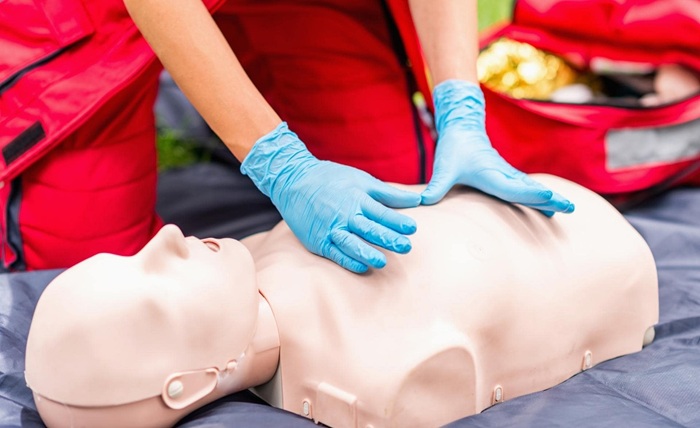
First aid training plays a major role in creating safer environments both at work and within local communities. Emergencies can happen at any time, and being able to act quickly can often lessen the damage to people and make things better. Whether it is a workplace accident, a medical emergency in public, or a household injury, trained individuals can provide immediate support before professional medical help arrives.
Modern organisations and community groups increasingly recognise that safety is not only about prevention but also about preparedness. First aid education equips people with practical knowledge that can make a meaningful difference during critical moments.
The Importance of Immediate Response
In many emergencies, the first few minutes are the most important. Delays in treatment can increase complications and place lives at greater risk. People who take first aid classes learn how to calmly assess a problem and give the right care until help arrives.
Simple actions such as controlling bleeding, performing CPR, or helping someone who is choking can prevent a situation from becoming worse. These skills are valuable in schools, offices, construction sites, sports facilities, and public spaces.
Communities with more trained individuals often become more resilient because people are prepared to assist one another during emergencies instead of waiting helplessly for outside support.
Building Safer Work Environments
Workplaces benefit significantly from employees who understand first aid procedures. Injuries can occur in any industry, from office environments to manufacturing facilities. When staff members know how to react properly, incidents can be managed more effectively and safely.
Employers also value workers who demonstrate responsibility and preparedness. In some industries, first aid certification is considered an important qualification because it contributes to workplace safety standards and risk management practices.
Many professionals pursuing advanced training pathways, such as a Certificate IV qualification, also complete first aid education to strengthen their practical workplace skills. Combining technical expertise with emergency response knowledge helps create more capable and dependable teams.
Encouraging Confidence During Emergencies
One of the greatest benefits of first aid training is the confidence it gives people during stressful situations. Without training, many individuals panic or hesitate because they fear making mistakes. First aid courses help participants understand proper procedures and encourage calm decision-making.
Confidence is especially valuable in workplaces where quick action may be required. Employees who remain composed can help organise emergency responses, assist injured individuals, and communicate effectively with emergency services.
This confidence also extends into everyday life. Parents, teachers, coaches, and community volunteers often find that first aid knowledge makes them feel more prepared to protect others in unexpected situations.
Supporting Professional Development
First aid education is increasingly connected with career development and professional training programs. Many individuals seeking workplace advancement choose to complete specialised learning courses alongside emergency response training.
Programs such as the Express First Aid Course appeal to busy professionals who need flexible training options while still gaining essential safety skills. Fast-paced and practical learning opportunities allow participants to become certified without disrupting their work schedules.
Similarly, vocational education pathways, including TAE course Melbourne programs, often emphasise workplace readiness and leadership skills. First aid knowledge complements these qualifications because safety awareness is considered an important part of professional responsibility across many industries.
Strengthening Community Awareness
Communities become safer when more people understand how to respond during emergencies. Public first aid education promotes awareness about injury prevention, health risks, and emergency preparedness.
Local events, schools, sports clubs, and volunteer organisations often encourage members to complete first aid training because it creates a stronger support network. When multiple people in a community possess these skills, emergency situations can be handled more efficiently before medical professionals arrive.
First aid training also encourages people to look after one another. It promotes responsibility, cooperation, and awareness, all of which contribute to healthier and safer environments.
Conclusion
First aid training is far more than a simple certification. It is a practical skill set that improves safety, builds confidence, and strengthens both workplaces and communities. Individuals who complete first aid education become valuable contributors during emergencies because they can respond quickly and responsibly.
As organisations and communities continue to prioritise health and safety, first aid knowledge remains one of the most important tools for protecting people in everyday situations. Through continued education and awareness, safer workplaces and stronger communities can be built for everyone.