The Future Of Orthodontics With Digital Dentistry
You might be staring at a crooked smile in the mirror, or watching your child hide theirs in photos, and wondering why something as simple as straight teeth feels so complicated. You hear about clear aligners, 3D scans, artificial intelligence, and “smart” treatment, yet you still worry about pain, cost, and getting it wrong. An experienced orthodontist in La Quinta, Ca can help you navigate these options with confidence.
That tension is real. On one side there is the old picture of orthodontics, with plaster molds, metal braces, and long appointments. On the other side there is a new world of digital orthodontic treatment, where your teeth are scanned instead of molded, your bite is modeled in 3D, and your treatment is planned on a screen before anything touches your mouth.
The short version is this. Digital dentistry is not a magic trick, but it is changing how orthodontists diagnose, plan, and monitor treatment. It can mean fewer surprises, more predictable results, better use of your time, and in some cases, lower long-term risk. It does not remove the need for a skilled orthodontist. It gives that orthodontist sharper tools.
So where does that leave you as a patient or parent who just wants to make a smart, safe choice without getting lost in the tech talk?
Why traditional orthodontics feels so stressful today
Think about how orthodontics usually starts. You sit in a chair, someone fills your mouth with thick impression material, and you hope the mold is accurate. The orthodontist uses that mold, a clinical exam, and 2D X-rays to guess how your teeth and jaws will move over time. You commit to months or years of treatment, not always sure what the end will look like.
Because of this, you might worry about things like:
- “What if we go through all of this and the result is not what we expected?”
• “Are we paying thousands of dollars for guesswork?”
• “What if something gets missed that shows up years later?”
Those are not small fears. Teeth, jaws, and faces are three dimensional, but for a long time orthodontists worked mostly with two dimensional tools. That gap can create uncertainty for both doctor and patient.
Now add another pressure. You hear about mail order aligners that promise straight teeth without office visits. The price sounds tempting, especially if money is tight. At the same time, you might have read stories where treatment went wrong because no one really examined the patient or tracked bone and gum health.
Because of this tension, you might wonder if there is a middle path. Something more advanced than old style care, but safer and more personal than do it yourself aligners.
How digital dentistry is reshaping orthodontic care
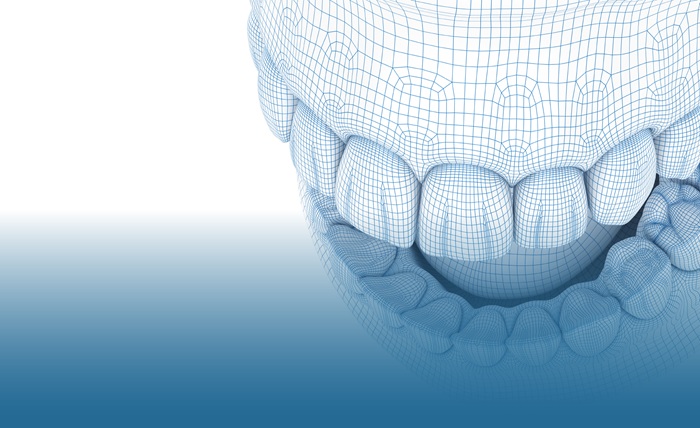
Digital dentistry is that middle path. It uses tools like 3D scanners, digital X-rays, cone beam CT, and artificial intelligence to create a clearer, more accurate picture of your mouth. Then it uses software to simulate how different treatments might work before anything is done.
For example, instead of the messy impression tray, your orthodontist might use a handheld scanner to create a 3D model of your teeth in minutes. That model can be rotated, zoomed in, and measured down to fractions of a millimeter. Researchers are using similar data driven tools to improve diagnosis across dentistry, as described by the National Institute of Dental and Craniofacial Research in their overview of how data science and digital dentistry can improve dental care.
So what changes for you in the chair?
- Planning becomes visual. You can often see a simulated “before and after” on screen. That does not guarantee a perfect match, but it gives you a shared target with your orthodontist.
• Risks are easier to spot. With 3D imaging and tools like the federal NIH 3D print exchange, structures like roots, nerves, and bone can be studied in more detail, which matters if your case is complex.
• Progress can be tracked more precisely. Digital scans taken at different visits can be compared, so your orthodontist sees small changes early and adjusts your plan before problems snowball.
Artificial intelligence adds another layer. It can help analyze images, highlight patterns, and suggest measurements. The American Association of Orthodontists has already reported on how AI is affecting diagnosis and treatment planning in its technology scan on artificial intelligence and orthodontics.
AI does not replace the orthodontist. It acts more like a second set of very sharp eyes that never get tired. The human still makes the judgment call, especially when it comes to your health history, your goals, and your tolerance for different options.
So, where does that leave someone simply trying to straighten teeth safely and wisely?
Comparing old, new, and DIY approaches to orthodontic treatment
It can help to see the differences laid out side by side. Every mouth is unique, but there are clear patterns in how traditional methods, modern digital orthodontics, and mail order aligners tend to work.
| TREATMENT APPROACH | TYPICAL TOOLS | MAIN STRENGTHS | MAIN RISKS OR LIMITS | BEST SUITED FOR |
| Traditional in office orthodontics | Physical molds, 2D X-rays, metal or ceramic braces | Direct supervision, strong control over tooth movement, works for mild to very complex cases | Less precise records, harder to visualize final result early, more office time | Patients who need heavy tooth movement or jaw correction and want hands on care |
| Digital in office orthodontics | 3D scans, digital X-rays or CT, AI supported planning, clear aligners or braces | More accurate diagnosis, visual treatment simulations, easier monitoring, can mix braces and aligners | Depends on orthodontist skill with technology, may cost more upfront in some offices | Most patients, especially those who value comfort, clarity, and predictability |
| Mail order or DIY aligners | At home impressions or basic scans, remote check ins, limited imaging | Lower initial price, no regular office visits, convenient for schedules | Often no full exam or X-rays, root and bone issues can be missed, fewer options if problems arise | Very mild crowding in patients willing to accept higher risk and take responsibility for monitoring |
When you see it this way, the question shifts from “Is technology good or bad” to “How do I use technology without losing the human oversight that keeps me safe.”
Three steps you can take right now
- Ask for a truly digital consultation, not just a quick look
When you meet an orthodontist, ask if they use 3D scanning or digital imaging to plan cases. You do not need to know the brand names. What matters is whether they can show you a clear digital model of your teeth, talk through different paths, and explain why one plan fits you better than another.
A good sign is when they invite your questions and take time to match the plan to your health, not just your smile. If you feel rushed or brushed off, that matters as much as the technology they use.
- Weigh cost against long term safety, not just short term savings
It is natural to look at a low monthly payment and feel relief. Before you commit, ask what is included. Will the orthodontist monitor root health and bone levels. Are X-rays or 3D scans part of the plan. What happens if teeth do not move as expected. How are refinements handled.
Sometimes a cheaper path can cost more later if problems are missed or results do not last. A transparent, digitally informed plan should spell out not only the price, but also the safety checks built into your treatment.
- Protect your future self with honest health sharing
Digital tools are powerful, but they need good information from you. Share your full medical history, including medications, jaw pain, grinding, gum issues, or past dental trauma. Mention any anxiety or sensory issues as well. This helps your orthodontist use technology wisely, choosing imaging and treatment speeds that respect your body and your comfort.
If something feels off during treatment, speak up early. Digital scans and imaging can often confirm small changes before they become big setbacks, but only if your care team knows there is something to look for.
Looking ahead with more clarity and less fear
You do not need to become a tech expert to benefit from the future of orthodontics with digital dentistry. You just need to know what to ask for, and to choose a professional who uses modern tools in service of your health, not the other way around.
When you see 3D scans on the screen, or hear about AI assisted planning, remember this. These are tools that can give you and your orthodontist a clearer picture, better choices, and a more predictable path. The heart of care is still the same. A trained person who listens, explains, and stands behind your treatment.
If you feel overwhelmed, that is understandable. Take one step. Schedule a consultation with an orthodontist who offers digital dentistry and orthodontics, bring your questions, and notice how they respond. You deserve straight teeth, a healthy bite, and a plan that feels as thoughtful as the smile you are working toward.