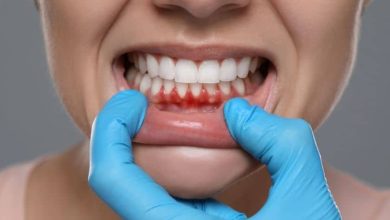
Space Maintainers: Holding Room For Adult Teeth After Early Tooth Loss
You might be feeling a mix of concern and guilt right now. Maybe your child lost a baby tooth far earlier than expected, after a fall on the playground or a stubborn cavity that just would not heal. The dentist at Modesto Kids Dentistry pediatric dentistry mentioned something called a “space maintainer,” and now you are wondering what that means for your child’s smile, comfort, and future dental health.end
That is a lot to carry. You are trying to make the right decision, you do not want your child in pain, and you also do not want to sign up for expensive treatment that might not be necessary. Because of this tension, it can feel easier to wait and see. After all, the adult tooth will come in eventually, right?
Here is the short version. When a baby tooth is lost too early, nearby teeth start drifting into that open space. That can block or twist the adult tooth that is supposed to come in later. A space maintainer for kids is a small device that holds that space open so the adult tooth has room to grow in correctly. It does not fix everything, but it often prevents more complex orthodontic problems later.
So, where does that leave you? You do not need to become a dental expert overnight. You just need enough clarity to ask the right questions and feel confident about the next step.
Why early tooth loss can cause bigger problems later
Baby teeth are often called “practice teeth,” and that can make them sound unimportant. In reality, they act like little placeholders that guide adult teeth into position. When one of those placeholders disappears too early, the whole system can shift.
Imagine your child loses a baby molar at age 4 from a deep cavity. The neighboring teeth see that new space as an opportunity and slowly tip or drift into it. Months or years later, when the adult tooth tries to come in, it may not have a clear path. It might erupt crooked, behind other teeth, or even stay trapped under the gums.
This can lead to crowded teeth, chewing difficulties, and sometimes speech issues. It can also mean more time and money spent on braces or other orthodontic work in the future. According to pediatric and dental health resources like the American Academy of Pediatrics’ oral health guidance, healthy baby teeth support normal facial growth, clear speech, and proper nutrition.
Emotionally, this is where the worry kicks in. You might start to wonder if you could have prevented the early tooth loss, or if you are already “behind” in caring for your child’s teeth. That is a heavy burden for any parent.
Here is the truth. Teeth chip. Kids fall. Cavities happen. The important part is what you do once you know there is a problem.
What does a space maintainer actually do for your child?
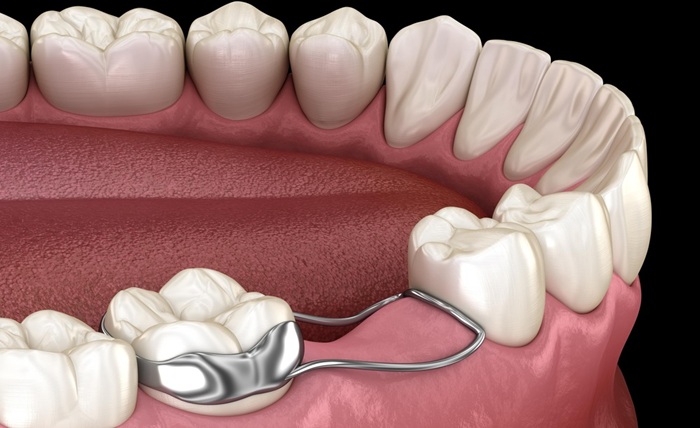
A space-holding appliance is usually a small metal or plastic device that sits in your child’s mouth, either fixed to a tooth or removable, to keep that gap open until the adult tooth is ready. It does not move teeth like braces. It simply guards the space so things do not drift.
There are a few key questions parents usually have.
“Will it hurt?” Getting a space maintainer does not usually hurt. The pediatric dentist takes an impression or scan, sends it to a lab, and then fits the finished appliance at a later visit. There can be some mild pressure or adjustment discomfort at first, but it is typically short-lived.
“Is it really necessary?” Not every early tooth loss needs a space maintainer. For example, if a front baby tooth is lost close to the time it would fall out naturally, your dentist may simply monitor it. A board-certified pediatric dentist will look at your child’s age, which tooth is missing, how much growth is left, and how crowded the mouth already is. They may reference growth charts like those in this pediatric dentition development guide.
“How long does it stay in?” Usually, until the adult tooth beneath is ready to erupt. That could be months or a couple of years, depending on your child’s age and which tooth was lost.
Because of these variables, your best ally is a trusted pediatric dentist who is used to working with anxious kids and worried parents. The right provider will walk you through options, not pressure you.
Comparing choices when a baby tooth is lost too early
When a baby tooth goes missing ahead of schedule, you usually face three paths. Do nothing and simply wait. Use a professionally made space maintainer. Or try “workarounds” at home, such as hoping habits or temporary devices will help. Each path has tradeoffs.
| OPTION | WHAT IT INVOLVES | POTENTIAL BENEFITS | COMMON RISKS OR DOWNSIDES | BEST SUITED FOR |
| Do nothing and monitor | Regular checkups, watching how teeth shift and how the adult tooth develops on X-rays. | No device for your child to manage. No upfront appliance cost. | Higher chance of crowding or blocked eruption. Greater likelihood of needing orthodontic treatment later. | Front teeth lost near their natural shedding time, or mouths with plenty of space. |
| Professional space maintainer | Custom-made fixed or removable device placed by a pediatric dentist. | Helps keep space open for the adult tooth. Can reduce the severity of future crowding and orthodontic needs. | Requires good hygiene and follow-up. Some initial adjustment. An appliance can break or loosen and need repair. | Early loss of baby molars, especially in children with crowding or still many years of growth ahead. |
| Home “workarounds” or DIY ideas | Trying to influence teeth with non-dental devices or internet tips. | Seems cheaper or simpler at first. | Can damage teeth or gums. Does not reliably hold space. May create more serious problems. | Generally not recommended for any child. |
Public health organizations like the CDC continue to stress that prevention and early professional care reduce long-term problems. You can see their broader recommendations on brushing, fluoride, and checkups in these CDC oral health tips for children.
So if you are torn between waiting and acting, ask yourself this. Am I choosing to wait because it is truly low risk for my child, or because I feel overwhelmed and unsure? That honest answer helps guide the next step.
Three steps you can take right now
- Get a clear, child specific evaluation
Schedule a visit with a pediatric dentist who regularly treats early tooth loss. Ask them to walk you through your child’s X-rays and growth timeline. Questions you might ask include:
- “What happens if we do nothing for this space?”
- “How crowded is my child’s mouth already?”
- “How long would a space maintainer likely need to stay in?”
- “How will we know if the adult tooth is having trouble coming in?”
A good provider will explain things in plain language and give you time to think, not rush you into a decision.
- Support your child’s daily oral care
Whether you choose an appliance or not, strong daily habits protect both baby and adult teeth. Encourage your child to brush twice a day with fluoride toothpaste, floss once a day with your help if needed, and drink water instead of constant sugary drinks. If a space maintainer is placed, your dentist will show you how to clean around it to prevent plaque buildup and gum irritation.
If you want a simple, trustworthy overview of healthy routines by age, you can explore these NIDCR oral health resources for children.
- Plan for checkups and follow through
Space maintainers are not “set it and forget it” devices. They need regular monitoring to be sure they are still fitting well, staying clean, and not blocking the adult tooth when it is ready to erupt. Put follow-up visits on your calendar as soon as they are scheduled. Treat them like you would any other medical appointment. This consistency allows your pediatric dentist to catch small issues before they become bigger ones.
Moving forward with more confidence and less worry
Right now, you might still feel uneasy, and that is completely normal. You are being asked to make decisions about something you cannot see happening under the gums, years before the final result. Any caring parent would feel the weight of that.
What you can hold onto is this. Early tooth loss does not automatically mean your child is headed for serious dental trouble. With good guidance, thoughtful use of space maintainer treatment when appropriate, and steady home care, many children grow into healthy, functional smiles.
You do not have to figure all of this out alone. Reach out to a trusted pediatric dentist, bring your questions, and ask for a clear plan tailored to your child. Even one honest conversation can replace a lot of fear with steady, practical next steps.