How Family Dentists Adapt Treatments For Different Age Groups

You might be juggling a toddler who refuses to open their mouth, a teenager worried about braces, and a parent who is suddenly dealing with dentures or dry mouth. You know everyone in your family needs dental care, yet each person seems to need something different, and that can feel overwhelming—unless you have a trusted Jonesboro family dentist to guide you through each stage of care.
You might wonder if one family dentist can really understand a baby’s first tooth, a teen’s wisdom teeth, and a grandparent’s gum issues. Or if you should be driving to three different offices, trying to remember who needs what. It is a lot to manage, especially when you are already tired.
Here is the good news. A strong family dentist does not treat everyone the same. They adapt care as mouths grow, hormones shift, medications change, and daily habits evolve. Children need gentle prevention and habit-building. Adults often need repair and protection. Older adults may need support with medical conditions, bone loss, and comfort. The right approach grows with your family, so you are not starting from scratch at every stage.
In simple terms, a family dentist looks at where each person is in life and shapes treatment around that. You will see how care differs for kids, adults, and older adults, what choices you actually have, and what you can start doing now to make things easier and less expensive over time.
Why does one family need such different dental care at each age?
It can be confusing when a dentist seems very relaxed about a small cavity in your teen, but very concerned about a similar issue in a grandparent. Or when your child is told to come in every six months, while an aging parent is told to come more often. You might wonder if the rules are changing or if you are missing something.
The truth is that teeth and gums are not static. They are constantly shaped by growth, hormones, medications, and lifestyle. A family dentist who understands age-specific dental care looks at the person behind the teeth. That is where real prevention and tailored treatment begin.
Think about a few common situations.
A 4-year-old who still uses a bottle at night might start to develop early childhood cavities. The dentist’s job is not just to fill teeth. It is to gently coach the parent toward better routines, maybe suggest fluoride, and watch growth patterns over time.
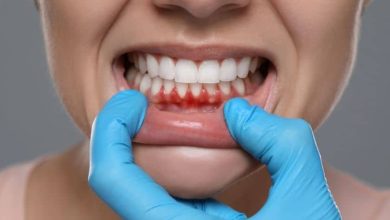
A 16-year-old in braces might suddenly have red, swollen gums. This is not just about braces. It can be hormones, stress, and tricky cleaning around brackets. The dentist and orthodontist work together to prevent long-term damage through coaching, tools, and more frequent cleanings.
A 72-year-old who starts a new medication may suddenly have very dry mouth and increased cavities, even if they have had “good teeth” their whole life. The dentist adjusts care with more frequent checkups, saliva support, and sometimes changes in materials or techniques.
So, where does that leave you when you are trying to keep everyone on track without losing your mind or your budget?
How do family dentists adjust care for children, adults, and older adults?
Family dentists adapt treatment with three big lenses in mind. Prevention, comfort, and long-term function. The details shift with age, but those three themes stay constant.
Children and teens. Building habits and guiding growth
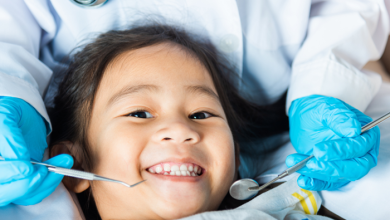
With kids, the goal is to protect developing teeth and set up habits that last. A family dentist focuses on early prevention, gentle education, and watching how the jaws and teeth are growing.
For young children, you will often see:
Fluoride treatments and sealants to protect new teeth from decay. Guidance on brushing, flossing, and diet, including how snacks and drinks affect cavities. Regular checkups to catch small problems before they turn into pain or infection.
For older children and teens, care shifts a bit. The dentist watches for crowding, misalignment, and wisdom teeth. They also address sports injuries, mouthguards, grinding from stress, and the impact of sugary drinks and vaping. Younger patients often need more coaching and motivation, which is why a patient non judgmental tone matters so much.
The Centers for Disease Control and Prevention also provides simple, parent-friendly tips to protect children’s teeth, which can support what your dentist is already recommending.
Adults. Repairing damage and protecting what you have
By adulthood, many people have some wear and tear. Old fillings, fractures from grinding, staining, or gum inflammation. Life gets busy. Dental visits get pushed back. A good family dentist understands that and works with you, not against you.
For adults, family dental care often includes:
Regular cleanings and exams to watch for gum disease, cracks, and early decay. Restorations such as fillings, crowns, or root canals to save damaged teeth. Night guards for grinding. Counseling around smoking, diet, and stress that might affect the mouth.
This is where the balance between what you need medically and what you can manage financially becomes important. Many treatment plans can be phased over months or years, prioritizing what is urgent and what can safely wait.
Older adults. Adapting to medical changes and preserving comfort
As people age, dental needs become more complex. Medications, chronic illnesses, and bone changes can all affect the mouth. A family dentist trained in geriatric dental care recognizes that comfort, chewing ability, and infection control are just as important as appearance.
Common adjustments for older adults include:
More frequent cleanings to manage gum disease and dry mouth. Thorough reviews of medications that may reduce saliva or affect healing. Careful planning around crowns, bridges, dentures, or implants. Extra attention to oral cancer screenings and sore spots under dentures.
The NIDCR has helpful information for older adults and their specific oral health concerns, which can help you ask better questions at visits.
The American Dental Association also explores how aging changes dental health and treatment choices. This can be especially important if you are caring for an aging parent or spouse.
What are the tradeoffs when choosing family dental care at each age?
Once you see how needs change, the next question is usually about tradeoffs. How often should each person go? What happens if you postpone treatment? When is a specialist necessary instead of your regular family dentist?
The table below compares common choices that families face across different ages.
| SITUATION | IF YOU DELAY OR SKIP | IF YOU TREAT EARLY | WHO IT AFFECTS MOST |
| Routine cleanings and exams | Higher risk of cavities, gum disease, and costly emergency visits | Smaller issues caught early, lower long-term cost, fewer surprises | All ages, especially kids and older adults |
| Small cavity in a back tooth | Can grow into pain, infection, root canal, or even extraction | Quick filling, usually less discomfort and lower cost | Children and adults |
| Early gum inflammation | May progress to gum disease, bone loss, loose teeth | Improved brushing, targeted cleanings, and gum health can stabilize | Adults and older adults |
| Crowding or bite issues in a child | More complex orthodontic work later, possible jaw pain or wear | Guided growth, sometimes shorter and simpler orthodontic treatment | Children and teens |
| Dry mouth in an older adult | Rapid cavities, sore mouth, difficulty eating and speaking | Moisturizing products, medication review, tailored care | Older adults |
Understanding these tradeoffs makes it easier to decide where to spend your time and money. It shifts the question from “Do we really need this?” to “What are we choosing if we wait, and is that worth it?”
What can you do right now to make dental care easier for every age?
You do not have to fix everything at once. A few thoughtful moves can make family visits calmer, more predictable, and more effective.
- Map out each person’s next 12 months of care
Write down everyone in your household and note when they last had a checkup, any current issues, and one concern you have for each person. For example, “child, last visit 10 months ago, frequent snacking” or “parent, new medication, mouth feels dry.”
Use this as a simple guide when you schedule. Ask the family dentist how often each person should be seen based on age and risk, not just a standard six-month habit. This alone can prevent surprises and rushed decisions.
- Ask age-specific questions at the next visit
For a child, you might ask. “Are there any habits we should focus on this year?” or “Do you see any early signs that braces might be needed?”
For an adult, consider. “What are my biggest risks right now, and how can we phase treatment to fit my budget?”
For an older adult, ask. “How are my medications and health conditions affecting my mouth, and should we adjust my visits or treatments?”
Clear questions help your family dentist tailor care instead of giving one-size-fits-all advice.
- Choose one daily habit upgrade for the whole family
You do not need a complete overhaul. Pick one realistic upgrade that everyone can share, adjusted for age. For example, nightly brushing together for young kids with a timer. For teens and adults, add flossing three nights a week to start. For older adults, sipping water more often and using a saliva-friendly rinse if recommended.
This turns family dental care into a shared routine, not just a series of stressful appointments.
Bringing it all together with a family-focused mindset
It is normal to feel pulled in many directions when you are responsible for the oral health of a whole family. Children need gentle guidance. Adults need realistic planning. Older adults need respect, patience, and care that takes their health into account. A thoughtful family dentist recognizes these shifts and adjusts treatment so each person feels seen, not rushed or judged.
You do not have to have all the answers. You only need to start the conversation, ask age-aware questions, and take small, steady steps. With that approach, your family dentist can become a long-term partner, helping every person in your home keep a healthier, more comfortable smile at every stage of life.