6 Preventive Treatments General Dentists Use To Strengthen Smiles

You might be feeling a bit worn out by the constant cycle of brushing, flossing, hoping you are doing enough, then hearing your dentist in Kamloops, BC mention “early signs” of cavities or gum issues anyway. It can feel frustrating. You try to care for your teeth, yet there is always something new to watch for, fix, or pay for.end
Because of that, you might be wondering if there is a way to stop problems before they start. You are not looking for perfection. You just want a stronger, healthier smile that does not keep surprising you with urgent visits and big bills.
That is exactly where modern preventive care comes in. General dentists now use a set of proven treatments that do not just repair damage. They focus on strengthening teeth, protecting enamel, calming gums, and lowering your long term risk of decay and disease. In simple terms, the goal is fewer problems and gentler visits over time.
Here is the short version. With the right preventive plan, your dentist can harden weak enamel, seal off vulnerable chewing surfaces, control bacteria, check risks early, and guide you on home habits that truly work. The rest of this page walks through six of the most common preventive treatments, what they feel like, what they cost emotionally and financially, and how they might fit into your life.
Why do teeth feel “weak” even when you brush and floss every day?
It often starts quietly. A twinge when you drink something cold. A bit of bleeding when you floss. Maybe your hygienist mentions “decalcification” or “early gum inflammation.” Nothing is on fire yet, but it does not feel stable either.
The problem is that everyday life constantly wears on your teeth. Acidic drinks soften enamel. Nighttime grinding creates micro fractures. Dry mouth from medications makes it easier for bacteria to stick. Even if you brush twice a day, these forces can add up over years.
Because of this tension between good intentions and real life, you might ask yourself, “What more am I supposed to do?” You could try more products, whiter pastes, stronger mouthwashes, and still feel unsure whether any of it truly changes the outcome.
This is where a general dentist’s preventive tools matter. Instead of asking you to work harder, these treatments help your teeth work smarter. They reinforce weak spots, reduce the workload on your enamel, and create a safer environment in your mouth.
How do professional fluoride treatments help protect and rebuild enamel?
Fluoride is one of the most studied tools in preventive dentistry. It helps enamel become harder and more resistant to acid. It can even help repair very early decay before it turns into a full cavity. The Centers for Disease Control and Prevention explains how fluoride protects teeth and reduces tooth decay across all ages.
In a dental office, fluoride can be applied as a varnish, gel, or foam. The process is quick and painless. Your dentist or hygienist brushes or places it on your teeth, it sits for a short time, then you are done. It is especially helpful if you have a history of cavities, sensitive teeth, braces, or dry mouth.
So where does that leave you? If you feel like you are “prone to cavities” no matter what you do, professional fluoride can be a quiet but powerful way to shift the odds in your favor.
Can dental sealants really stop cavities in their tracks?
Molars and premolars have deep grooves that trap food and bacteria. Even the best toothbrush struggles to reach inside those tiny pits. Over time, those areas often become the first place decay shows up, especially in children and teens.
Dental sealants are thin protective coatings that a general dentist paints onto the chewing surfaces of back teeth. They flow into the grooves and are then hardened with a special light. The CDC shares research showing that sealants can greatly reduce cavities in these vulnerable areas.
Sealants are most common in kids, though adults with deep grooves or a history of decay in those areas can benefit too. They are painless, quick, and usually less expensive than treating even a single cavity. For many families, sealants become one of the most practical ways to protect a child’s smile over the long term.
How does a general dentist use cleanings and gum care to strengthen your smile?
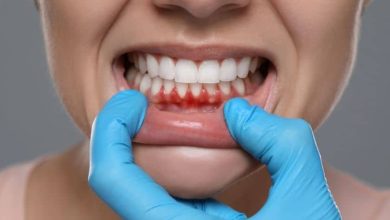
It might feel like a “simple cleaning” is not really a treatment, but professional cleanings are one of the main ways dentists protect your teeth and gums from long term damage. Plaque and tartar build up in places you cannot fully reach, especially along and under the gumline. Left alone, that buildup irritates your gums and can lead to gum disease, recession, and tooth loss.
During a cleaning, your hygienist removes hardened tartar, polishes away surface stains, and checks for pockets around the teeth. If early gum disease is found, your dentist may recommend deeper cleaning in those areas to stop the damage from progressing.
The emotional side is real here. Some people avoid cleanings because they are embarrassed or worried about being judged. A good general dentist understands this and focuses on where you are today, not on what you “should have” done before.
What about early detection tools like X‑rays and exams?
It is easy to think of X‑rays and exams as just “checklist items,” but they are preventive treatments in their own right. They help your dentist spot tiny cavities between teeth, early bone loss, cracked fillings, or infections before you feel pain.
By catching problems early, your dentist can treat them with smaller restorations, or sometimes with preventive steps alone, instead of waiting until you need a crown or root canal. This can ease both the emotional stress and the financial burden over time.
Because of this, regular exams are less about finding trouble and more about protecting your future self from bigger, more urgent problems.
How do custom mouthguards and nightguards protect your teeth?
If you clench or grind your teeth at night, or you or your child play contact sports, a general dentist might recommend a custom guard. It is not just a piece of plastic. It is a shock absorber for your teeth, jaw joints, and facial bones.
Nightguards cushion the forces of grinding, which can crack teeth, wear down enamel, and strain your jaw joints. Sports mouthguards reduce the risk of broken or knocked out teeth during play. Both are preventive treatments that protect what you already have, instead of rebuilding it later.
Many people only realize they grind their teeth when their dentist points out flattened edges, tiny fractures, or jaw tenderness. If that sounds familiar, a custom guard can be a quiet form of insurance for your smile.
How does home care guidance become part of preventive treatment?
Professional treatments work best when they are supported by simple home habits. Your dentist and hygienist can help you choose tools and routines that match your real life, not an ideal version of it. The American Dental Association offers practical tips on effective home dental care, including brushing, flossing, and other aids.
This guidance often includes which toothbrush to use, whether an electric brush would help, how to floss around tight contacts or dental work, and whether you might benefit from special toothpaste or rinses. Think of it as a personalized playbook that supports the professional work done in the chair.
How do these 6 preventive treatments compare in everyday life?
When you are already juggling schedules and costs, it helps to see how common preventive options stack up against each other in a simple way.
| Treatment | Main Goal | Comfort Level | Typical Time In Chair | Best For |
|---|---|---|---|---|
| Professional Fluoride | Strengthen enamel and reduce cavity risk | Very comfortable | 5 to 10 minutes | High cavity risk, sensitivity, braces, dry mouth |
| Dental Sealants | Protect deep grooves in back teeth | Very comfortable | 10 to 20 minutes per tooth group | Children, teens, adults with deep grooves |
| Routine Cleanings | Remove plaque and tartar, protect gums | Mild to moderate, depending on buildup | 30 to 60 minutes | Everyone, especially with bleeding gums |
| X‑rays & Exams | Find problems early | Very comfortable | 15 to 30 minutes, often with cleaning | All patients on a regular schedule |
| Mouthguards / Nightguards | Protect teeth from grinding or injury | Comfortable after short adjustment | 2 short visits, plus wear at home | Clenchers, grinders, athletes |
| Home Care Coaching | Improve daily brushing and flossing | Very comfortable | 5 to 15 minutes during visit | Anyone wanting better home habits |
Seeing these side by side can make it easier to talk with your dentist about which mix of treatments fits your mouth, your budget, and your tolerance for time in the chair.
What can you do right now to protect and strengthen your smile?
- Schedule a preventive focused visit with a general dentist
Instead of waiting for pain, choose a visit centered on prevention. Share your concerns openly. Mention any sensitivity, bleeding, grinding, or history of frequent cavities. Ask which of these six treatments makes the most sense for you. This turns a routine appointment into a tailored preventive dental care plan that aims to keep your smile stable, not just patched.
- Ask for a clear, simple home care plan
During your visit, ask your dentist or hygienist to watch how you brush and floss, then show you small adjustments. Request specific product suggestions that match your mouth, such as a fluoride toothpaste for sensitivity or a gentler brush head for sore gums. A personalized routine can turn daily habits into a powerful form of general dentistry prevention.
- Prioritize the “highest impact” preventive treatments first
If cost or time is tight, you do not need to do everything at once. Talk with your dentist about which one or two treatments will give you the biggest benefit right now. For many people, that might be a cleaning plus sealants for a child, or a nightguard plus fluoride for an adult who grinds and gets frequent cavities. Building your protection step by step is still progress.
Where does this leave you and your smile?
You do not have to feel stuck in a cycle of surprise cavities and stressful visits. A thoughtful general dentist can use these six preventive treatments to strengthen your teeth, calm your gums, and lower your risk of future problems. You deserve care that respects your time, your budget, and your nervous system.
The next step is simple. Reach out to a trusted general dentist, share what you are worried about, and ask how preventive care can be built into your next visit. One honest conversation can be the start of a steadier, more confident smile for years to come.