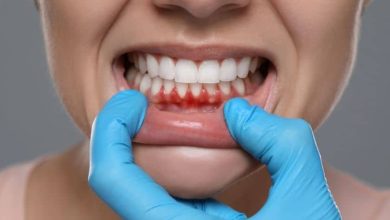
Why Family Dentists Track Generational Dental History

You might be sitting in a dental chair, filling out yet another health history form, wondering why your dentist wants to know if your parents lost teeth early, or if Grandma wore dentures before she was 50, or if anyone in your family has needed dental bridges in Villa Rica, GA. You already feel a bit anxious about the appointment itself, and now it feels like you need a family tree just to get your teeth cleaned.end
That reaction is completely normal. It can feel intrusive, or even pointless, to talk about your parents’ and children’s teeth when all you want is to fix the tooth that hurts today. Yet there is a quiet shift that happens when a dentist understands not just your mouth, but your family’s story. Dental care stops being a series of emergencies and becomes a long arc of prevention and planning.
In simple terms, tracking generational dental history helps a family dentist spot patterns early, catch problems before they become expensive or painful, and tailor care to each person in your family. It can reduce surprises, guide smarter decisions, and often save money and stress over time.
So where does that leave you right now? You do not need to have every answer or every record. You just need a basic understanding of why your dentist asks these questions, and how you can use that information to protect your family’s smiles for years to come.
Why does my family dentist care about my parents’ and kids’ teeth?
You might think, “My teeth are my teeth. What do my parents have to do with it?” It helps to remember that your mouth is influenced by both nature and habits. Genetics can shape the way your teeth form, how your jaw grows, how strong your enamel is, and even how your body responds to inflammation and gum disease. Family routines, like diet and brushing habits, add another layer.
Because of this mix, certain patterns often repeat across generations. Maybe everyone on one side of the family has crowded teeth. Maybe cavities show up early in childhood. Maybe the adults tend to lose teeth in their 40s or 50s. A family dentist who tracks generational dental history is watching for these patterns so they can act sooner.
For example, if your dentist knows both of your parents needed early root canals due to weak enamel, they will likely pay closer attention to tiny spots on your X rays that might be ignored in someone else. If your child has the same risk, your dentist can use extra fluoride, sealants, and more frequent checkups to protect those teeth long before decay sets in.
This is where tracking family dental patterns becomes far more than paperwork. It is a roadmap that helps your dentist anticipate what you and your children might face, and then build a plan to prevent or soften those problems.
What happens if generational dental history is ignored?
When a dentist does not look at the bigger family picture, care often becomes reactive. A cavity is treated when it hurts. A tooth is pulled when it is loose. Orthodontic issues are addressed only when they are obvious. You might feel like you are always one step behind, never quite catching up.
Emotionally, that can be draining. You might start to feel guilty, wondering if you are doing something wrong, especially if your children begin having the same problems you had as a kid. Financially, it can mean more urgent visits, more complex procedures, and higher bills over time.
Consider a “what if” scenario. Imagine a parent who had severe crowding and needed extractions as a teenager. If their child sees a dentist who never asks about that history, early signs of crowding might be missed. By the time anyone notices, the only options might be more involved orthodontic work. If that same child sees a family dentist who knows the parent’s story, early monitoring can guide timely referrals and sometimes simpler treatments.
The same logic applies to gum disease. If your parents lost teeth to periodontal problems, your dentist can watch your gums more closely, schedule deeper cleanings when needed, and talk honestly about smoking, diabetes, and other risk factors. Ignoring that history can mean missing the early, treatable stages.
So the real question becomes, what do you stand to gain when a family dental care provider makes your generational history part of your chart?
How does tracking generational history improve care and records?
When a family dentist tracks generational patterns, your care becomes more personalized and more grounded in evidence. It also becomes better documented. Thoughtful health and dental history records, like those supported by the American Dental Association, help your dentist connect the dots between your medical conditions, medications, and family patterns. You can learn more about how practices structure these records in ADA guidance on medical and dental health history.
Good records do not just live in a file. They guide decisions every time you sit in the chair. For example, if your family has a strong history of dry mouth due to medications, your dentist might be quicker to suggest special rinses or saliva substitutes. If early tooth loss runs in the family, they might discuss long term options such as implants or partial dentures earlier, so you are not rushed into choices later.
These patterns also matter across your lifespan. A child who is flagged as high risk for enamel defects might get preventive sealants on molars as soon as they appear. An adult whose parents both needed full dentures might get more regular periodontal evaluations and bone assessments. The same basic cleaning looks different when your dentist is thinking in terms of decades, not just months.
What are the practical tradeoffs of sharing family dental history?
It is fair to wonder about privacy and effort. You may ask yourself, “Is it really worth telling all this, and where does that information go?” A balanced way to look at it is to compare what happens when you share versus when you do not.
| Approach | What You Share | Short Term Experience | Long Term Impact |
|---|---|---|---|
| Limited history | Basic forms, little or no family detail | Faster paperwork, fewer questions | Higher risk of surprise problems, more emergency visits, care feels reactive |
| Full generational history | Parents’ and children’s patterns, early tooth loss, gum disease, orthodontic issues | A bit more time and conversation up front | Earlier diagnosis, more tailored prevention, potentially lower costs and less stress over time |
From a records perspective, your dentist is also bound by laws and professional standards regarding ownership and use of dental records and X rays. If you are curious about how records are handled, stored, and shared between providers, the ADA has clear guidance on ownership of dental records and radiographs. Knowing that this information is treated as part of your protected health record can ease some of the discomfort of sharing family details.
So, where does that leave you? You do not need to become a dental historian. You simply need to decide how much you want your dentist to see the bigger picture, and then share enough for them to recognize meaningful patterns.
What can I do right now to protect my family’s future smiles?
You may still feel unsure, especially if your family’s dental past is filled with painful memories or financial strain. That is exactly why the next steps matter. You can start small and still make a real difference.
- Gather a simple family dental snapshot
You do not need full records. Just try to answer a few key questions for parents, grandparents, and children if possible.
- Did anyone lose most of their teeth before age 60
- Is there a history of gum disease, loose teeth, or chronic bad breath
- Did many relatives need braces, extractions, or jaw surgery
- Are there known conditions like dry mouth, enamel defects, or cleft lip/palate
Bring these notes to your next appointment. Even a few details can help your family dentist adjust your care.
- Ask your family dentist to explain your risk level
Instead of silently filling out forms, use them as a starting point for a conversation. You might say, “Both my parents lost teeth to gum disease. What does that mean for me and my kids” or “My child’s grandparents all had crowded teeth. Should we be watching for that now”
A good family dentist will welcome those questions. They can explain what they see in your mouth today, how your family history might change your risk, and what preventive steps make sense at your stage of life.
- Turn generational patterns into preventive habits
Once you understand your risks, focus on one or two realistic habits that match them.
- If your family has many cavities, prioritize fluoride toothpaste, sealants for children’s molars, and limiting frequent sugary snacks.
- If gum disease runs in the family, schedule regular cleanings, learn proper flossing or interdental brush use, and manage conditions like diabetes closely.
- If crowding or bite issues are common, keep consistent checkups so your dentist can time orthodontic referrals well.
Small, steady changes, guided by your history, can break patterns that have been in your family for generations.
Closing thoughts and next steps
You might be carrying stories of painful extractions, dentures in a glass by the sink, or years of embarrassment about a smile. Those stories matter. When you choose a dentist who respects and tracks generational dental history, those past experiences can become powerful tools instead of quiet burdens.
Your role is not to have all the answers. Your role is to be honest about what you know, ask clear questions, and be open to a long term plan that fits your family’s reality. Over time, this approach can mean fewer emergencies, more control, and a future where your children remember regular checkups and confident smiles, not constant dental crises.
The next time you are handed a health history form or asked about your parents’ teeth, pause for a moment. This is not just paperwork. It is the first step toward care that sees you, your family, and your future all at once.