
Why Preventive Dentistry Is The Secret To Long Term Cosmetic Success
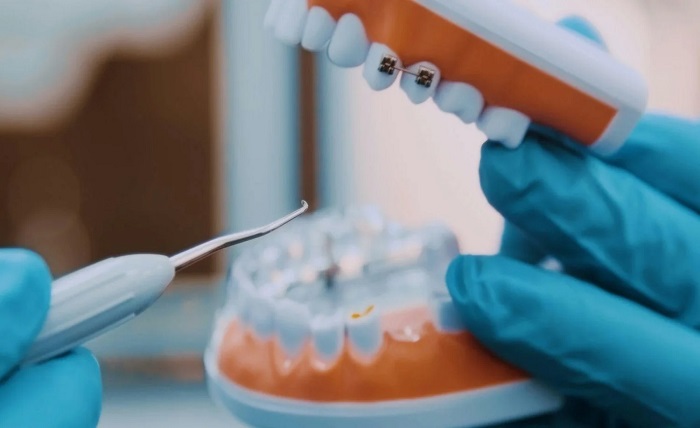
You care about how your smile looks. You also want it to last. That long game starts with prevention, not with whitening or veneers. Strong gums and clean teeth hold every cosmetic result in place. Weak gums and decay slowly destroy it. Preventive dentistry protects your cosmetic work before and after treatment. Regular cleanings, simple home care, and early repair keep stains, chips, and gaps from turning into bigger damage. Even advanced options like Georgetown dental implants depend on healthy bone and gums to stay secure. Without prevention, cosmetic work cracks, loosens, or needs repeat fixes. With prevention, your smile keeps its color, shape, and strength year after year. This blog explains how small routine steps guard your investment, lower your stress, and keep your smile steady through life changes. You deserve results that do not fade fast. Prevention gives you that control.
Why looks alone are not enough
You might focus on color, shape, and straightness. Those things matter. Yet the hidden support system matters more. Gums, bone, and enamel act like the foundation of a house. If that foundation breaks, every cosmetic fix on top fails.
Here is what happens when you ignore prevention.
- Fillings and bonding start to stain at the edges
- Veneers chip at the gumline
- Crowns loosen as decay forms under them
- Implants fail when gum infection eats bone
You pay again. You sit through more treatment. You feel the same worry return. Prevention breaks that cycle.
How prevention protects cosmetic work
Preventive dentistry is simple. You remove plaque. You control sugar. You fix small problems early. Those steps cut the risk of decay and gum disease that destroy cosmetic work.
Core habits include three things.
- Brushing with fluoride toothpaste twice a day
- Cleaning between teeth every day
- Getting routine checkups and cleanings
Each habit gives a different kind of protection.
- Brushing removes soft plaque before it hardens into tartar
- Floss and other cleaners reach tight spots where cavities start
- Checkups catch tiny cracks and early decay before you feel pain
The Centers for Disease Control and Prevention notes that almost all adults get cavities. You lower that risk when you stay ahead of plaque. That care keeps the edges of veneers, crowns, and bonding clean. It also keeps your gumline firm and smooth, which makes cosmetic work look natural.
Numbers that show why prevention comes first
Cosmetic work costs more than routine care. When you protect it, you protect your wallet. The table below shows a simple comparison of typical U.S. fee ranges. Costs vary by clinic and region. The pattern stays the same. Prevention costs less than repair.
| Service type | Example service | Typical visit frequency | Approximate cost range per visit (USD)
|
|---|---|---|---|
| Preventive | Exam, cleaning, x rays | Every 6 months | 100 to 300 |
| Minor repair | Small filling near veneer or crown | As needed | 150 to 350 |
| Cosmetic | Single veneer or crown | As planned | 900 to 2,500 |
| Implant related | Single implant crown replacement | As needed | 1,500 to 3,000 |
Two cleanings a year cost less than one repair to a damaged crown. One early filling costs less than a root canal and a new crown. Steady prevention keeps small issues from reaching the high end of this table.
How prevention keeps whitening results longer
Whitening brightens stains in enamel. It does not change the color of fillings or crowns. If new stains build up, your smile starts to look uneven. You then feel pressure to whiten again.
Three steps keep your results steady.
- Rinse with water after coffee, tea, or soda
- Use a soft brush and gentle motion to protect enamel
- Schedule touch up cleanings on time
Routine cleanings remove surface stains that dull your shade. That means you need fewer full whitening sessions. Your teeth look bright with less effort and less cost.
Why gum health decides cosmetic success
Gums frame your teeth. When they swell, bleed, or recede, even perfect veneers look wrong. Gum disease can also lead to tooth loss, which then calls for bridges or implants.
The National Institute of Dental and Craniofacial Research reports that many adults have some form of gum disease. Early stages often cause no pain. Regular exams and cleanings are the only way to spot trouble before it becomes severe.
Healthy gums help your cosmetic work in three ways.
- They hold teeth and implants steady
- They create smooth, even edges around veneers and crowns
- They reduce bad breath that can undercut your confidence
You support gum health when you clean along the gumline, avoid tobacco, and manage conditions like diabetes with your medical team.
Implants and other advanced work still need prevention
Implants do not get cavities. Yet the gums and bone around them can still get infected. When that happens, you can lose the implant. Routine care around implants is just as important as care around natural teeth.
Focus on three actions.
- Use special brushes or floss tools designed for implants
- Keep all follow-up visits after surgery
- Report any bleeding, swelling, or movement right away
That same care protects bridges, dentures, and bonding. Strong support tissues let these treatments last longer and look stable.
Simple daily steps for long-term cosmetic success
You control most of what happens to your smile between visits. A short, steady routine works better than rare bursts of effort.
- Brush morning and night for two minutes
- Clean between every tooth once a day
- Use fluoride toothpaste to harden enamel
- Limit sugary snacks and drinks
- Wear a nightguard if you grind your teeth
Grinding can chip veneers and crowns. A custom guard shields your cosmetic work while you sleep. Your dentist can check for signs of grinding during exams.
When to schedule your next visit
If it has been more than six months since your last cleaning, schedule now. If you plan whitening, veneers, or implants, talk about a prevention plan first. That plan should include exam timing, home care tools, and follow-up steps after treatment.
You invest time, money, and emotion into your smile. Prevention protects that investment. With steady care, your cosmetic results stay strong, natural, and steady for many years.