5 Preventive Strategies That Keep Cosmetic Dentistry Results Bright
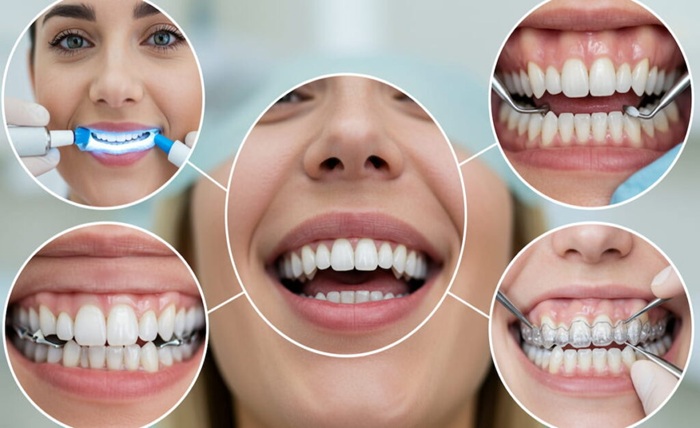
You worked hard for your new smile. Now you want to keep it bright for as long as possible. Cosmetic treatment can fade fast when daily habits slip. Stains from coffee, wine, or tobacco creep in. Small chips and rough edges catch color. Dry mouth and plaque weaken the shine. You do not need special products or complex routines. You need clear steps that you can follow each day. This guide walks you through five simple preventive strategies that protect your teeth after whitening, veneers, or bonding. Each step supports the next. Together they help you avoid stains, keep surfaces smooth, and spot problems early. You also learn how a trusted dentist in Livermore, CA works with you to maintain that fresh look over time. With steady care and the right plan, your smile can stay bright, clean, and strong.
1. Brush and floss with purpose every day
Daily care keeps stains from sticking. It also protects the teeth under any cosmetic work.
Use this simple routine.
- Brush two times a day with a soft toothbrush
- Use fluoride toothpaste in a pea sized amount
- Floss once a day to clean between teeth and under edges
The Centers for Disease Control and Prevention explains that fluoride helps prevent tooth decay by making enamel stronger. You can read more at the CDC oral health page at https://www.cdc.gov/oralhealth/index.html.
Focus on gentle pressure. Hard scrubbing can scratch surfaces and shorten the life of veneers or bonding. Spend at least two minutes each time. Move in small circles. Clean along the gumline where plaque hides.
End with a quick check in the mirror. Look for new stains along the edges. Early spots are easier to remove.
2. Limit stain causing food and drinks
Some food and drinks leave color behind. Over time that color seeps into tiny pores and lines. Your bright smile then looks dull.
Common stain sources include these three groups.
- Dark drinks such as coffee, tea, red wine, and cola
- Strong sauces such as soy sauce, tomato sauce, and curry
- Tobacco in any form
You do not need to give up everything you enjoy. You can cut the contact time.
- Drink water right after coffee or tea
- Use a straw for cold dark drinks
- Rinse your mouth after sauces or berries
Tobacco stains deeply and also harms gums. Quitting protects your smile and your body. The National Cancer Institute offers support programs and quit tools at https://smokefree.gov.
Plan your day with your teeth in mind. Group stain heavy food at one meal. Then brush after that meal. This simple step lowers the time your teeth sit in color.
3. Protect your teeth from chips and wear
Small chips and cracks grab stain and shadow. They also stress cosmetic work. Careless habits can undo careful treatment.
Try to avoid these three common habits.
- Chewing ice or hard candy
- Using teeth to open packages or cut thread
- Grinding or clenching during the day
If you grind at night talk with your dentist. A custom night guard can shield your teeth and any cosmetic work. It creates a smooth barrier between upper and lower teeth. That barrier spreads pressure and lowers wear.
Also protect your mouth during sports. A well fitted mouthguard can prevent chips and broken work. One fall without a guard can erase years of care.
4. Keep saliva flowing and stay hydrated
Saliva washes away food, lowers acid, and supports strong enamel. Dry mouth raises stain and decay risk. It also makes teeth feel rough and sticky.
Many common medicines cause dry mouth. Cancer treatments and some health conditions do as well. The National Institute of Dental and Craniofacial Research explains dry mouth and treatment options at https://www.nidcr.nih.gov/health-info/dry-mouth.
You can support moisture with a few daily choices.
- Sip water through the day
- Use sugar free gum with xylitol to trigger saliva
- Avoid constant sipping of sugary or acidic drinks
Ask your dentist about saliva substitutes if water and gum do not help. Some products coat teeth and ease dryness. This coating can protect cosmetic work from acid and stain.
5. Schedule routine cleanings and early checks
Home care does most of the work. Professional care finishes the job. A dentist can spot tiny changes long before you feel pain or see damage.
Routine visits usually include three steps.
- Cleaning to remove plaque and tartar you cannot reach
- Polishing to smooth surfaces and lift light stains
- Exam to check gums, bite, and cosmetic work
Small repairs now prevent large fixes later. A lifted edge on a veneer is easier to correct early. A stain line around bonding cleans better when it is new.
Ask your dentist how often you need visits. Many people do well with two visits a year. Some need three or four. Your plan should match your mouth, your habits, and your health.
Simple comparison of stain risks and protections
| Everyday choice | Stain or damage risk | Better habit
|
|---|---|---|
| Dark coffee sipped through the morning | High stain buildup over many hours | Drink with one meal and rinse with water |
| Chewing ice while watching TV | High chip risk for veneers and bonding | Choose cool water without ice to chew |
| No flossing | High plaque and hidden stain between teeth | Floss once a day before bed |
| Night grinding without a guard | High wear and crack risk | Use a custom night guard as directed |
| Dry mouth with little water | Medium to high stain and decay risk | Sip water and use sugar free gum |
Putting the five strategies into your day
You do not need a perfect routine. You need a steady one. Start with three steps. Brush with care, floss once a day, and drink more water. Then add limits on dark drinks. Finally talk with your dentist about grinding, sports, or dry mouth.
Each change protects your cosmetic work and your natural teeth. Together they help you keep that bright, confident smile that you worked hard to gain