5 Preventive Strategies General Dentists Use To Avoid Cavities
Cavities form slowly. You often do not feel them until they cause pain. By that point, decay has already damaged your tooth. General dentists focus on preventing that damage long before it starts. They study your daily habits, your mouth, and your past dental history. Then they use clear steps to lower your risk. Burlington dentists use simple, tested methods that protect your teeth and gums. They rely on regular visits, strong home care, food choices, protective treatments, and honest talk about their risks. You do not need complex tools or confusing routines. You need a plan that fits your life. This blog explains five specific strategies general dentists use to help you avoid cavities. Each one is practical. Each one is based on what actually happens in real mouths every day. You can start using them right away and protect your smile.
1. Keep a strict brushing and flossing routine
Daily care is your strongest defense. Cavities start when sticky plaque sits on teeth. You remove that plaque with simple tools and steady habits.
Use this routine.
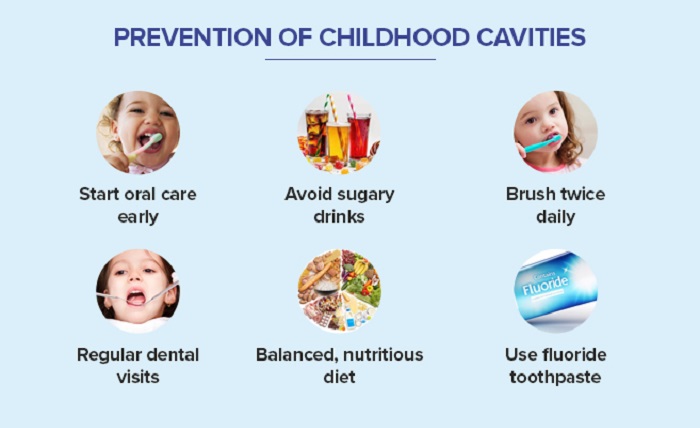
- Brush two times each day for two minutes.
- Use fluoride toothpaste in apea-sizedd amount.
- Floss once each day to clean between teeth.
- Replace your toothbrush every three months.
Next, focus on your method. Tilt the brush toward the gum line. Use small circles. Cover the front, back, and chewing surfaces. Count to ten on each section. Then slide floss between each tooth. Curve it in a “C” shape around the tooth. Move it up and down to wipe away plaque.
The Centers for Disease Control and Prevention gives clear facts on how daily care prevents tooth decay.
2. Use fluoride to strengthen your teeth
Fluoride hardens the outer surface of your teeth. It helps repair early damage before a cavity forms. Dentists use it every day because it works.
You can get fluoride in three simple ways.
- Fluoride toothpaste at home.
- Fluoride is in many public water supplies.
- Fluoride varnish or gel during office visits.
The National Institute of Dental and Craniofacial Research explains that fluoride makes teeth more resistant to acid from bacteria and sugar.
Children and adults both need fluoride. Children need it while teeth form. Adults need it to protect root surfaces and old fillings. Your dentist checks your risk and suggests the level of fluoride that fits your mouth.
3. Choose food and drinks that protect teeth
What you eat affects your teeth all day. Each time you snack on sugar, bacteria in your mouth make acid. That acid pulls minerals out of your teeth. Over time, a hole forms.
Use three clear steps.
- Limit sugary drinks such as soda and sports drinks.
- Keep sweets to mealtimes so your mouth has time to recover.
- Eat more water-rich fruits, vegetables, and plain dairy.
Water is your safest drink. It rinses food from teeth. It also helps your body make saliva. Saliva is your natural protection. It washes away sugar. It also carries minerals that repair early damage.
Try to avoid sipping sweet drinks throughout the day. That constant exposure keeps acid levels high. Instead, drink them with meals if you choose to have them. Then switch back to water.
4. Get regular cleanings and checkups
You cannot see every problem in your mouth. You also cannot reach every spot with a brush. That is why routine dental visits matter.
During a checkup, your dentist and hygienist will usually do three things.
- Clean away hardened plaque called tartar.
- Check each tooth for soft spots and early decay.
- Review your habits and update your cavity risk.
Early cavities often cause no pain. Your dentist can spot them with a small mirror, a bright light, and sometimes X-rays. This early catch can mean a small filling instead of a root canal or extraction later.
Most people need a checkup every six months. Some need more visits if they have frequent cavities, dry mouth, or ongoing health problems. Ask your dentist what schedule fits you best.
5. Use sealants and other protective treatments
Back teeth have deep grooves that trap food. These grooves are common sites for cavities, especially in children. Dental sealants cover those grooves with a thin protective coating.
The process is simple.
- The tooth is cleaned and dried.
- A gentle gel prepares the surface.
- The sealant is painted on and hardened with a light.
Sealants are often used for children once their permanent molars appear. Adults with deep grooves can benefit as well. The treatment is quick and does not involve drilling.
How common habits affect cavity risk
This table shows how three common habits change your risk for cavities. Use it to compare your own routine.
| Habit | Pattern | Effect on cavity risk
|
|---|---|---|
| Sugary drinks | One can of soda with a meal | Moderate risk. The mouth has a recovery time between exposures. |
| Sugary drinks | Sipping soda or sweet coffee all day | High risk. Teeth stay in contact with sugar and acid for many hours. |
| Brushing | Two times per day with fluoride toothpaste | Lower risk. Plaque is removed often, and fluoride helps repair early damage. |
| Brushing | Once per day or less | Higher risk. Plaque and food remain on teeth for long periods. |
| Dental visits | Checkup and cleaning twice each year | Lower risk. Early problems caught and treated quickly. |
| Dental visits | No visit for more than two years | High risk. Small cavities can grow and cause pain or infection. |
Putting the five strategies into your daily life
You do not need perfect habits. You need steady ones. Start with three simple steps today.
- Brush and floss on a set schedule, morning and night.
- Swap one sugary drink for water each day.
- Call your dentist to plan your next checkup and ask about fluoride and sealants.
Each small change protects you. Each visit gives you clear feedback and support. Over time, these five strategies work together and lower your chance of painful cavities and urgent visits.