How Regular Dental Visits With A General Dentist Save You Money
Regular dental visits protect your mouth and your wallet. When you skip checkups, small problems grow into large ones that demand more time, pain, and money. A simple cleaning and exam can uncover early tooth decay, gum infection, or cracked fillings. Then you fix them before you face root canals, extractions, or dental implants in Dedham, MA. Each missed visit raises your risk of sudden emergencies and surprise bills that hit hard. Instead, routine care keeps your teeth strong, your gums steady, and your costs low. You gain clear answers, early warnings, and a plan that fits your budget. You also avoid the stress of rushing to find help when you are already hurting. Regular visits turn dental care into simple upkeep instead of crisis control. You stay ahead of problems. You spend less money over time.
Why small dental problems grow so fast
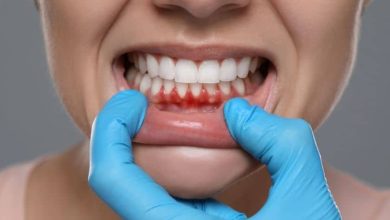
Your mouth changes every day. Plaque builds on teeth. Old fillings weaken. Gums react to plaque and smoke and stress. When you miss regular cleanings and exams, these changes stay hidden. Then a small spot of decay can spread through a tooth. A light gum bleed can progress to bone loss. A loose filling can open the path to deep infection.
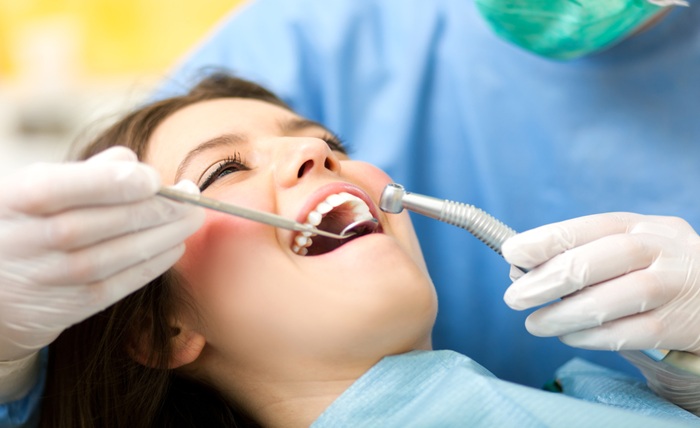
During a checkup, your dentist and hygienist can:
- Remove plaque and tartar from teeth and along the gumline
- Check each tooth for soft spots and cracks
- Measure your gums for early signs of disease
These steps catch problems when they are still simple and low cost. You avoid treatment that requires more visits and more money.
How prevention costs less than repair
Preventive care is simple. It includes cleanings, exams, and basic X-rays. The Centers for Disease Control and Prevention reports that untreated cavities are common in both children and adults. Treating these cavities early is far cheaper than waiting until they hurt.
Here is a basic cost journey for one tooth problem:
- Early stage. A small cavity was found on X-ray. It needs a basic filling.
- Middle stage. Larger cavity reaches the nerve. It needs a root canal and a crown.
- Late stage. The tooth cannot be saved. It needs removal and replacement.
Each step raises the cost, time, and pain. Regular visits stop many problems at the first step.
Cost comparison of common treatments
Exact prices vary by office and region. Yet the pattern is clear. Routine care costs less than urgent repair. The figures below are simple example ranges in US dollars.
| Type of visit or treatment | Purpose | Typical cost range | How often
|
|---|---|---|---|
| Routine exam and cleaning | Prevent problems and remove plaque | $75 to $200 | Every 6 to 12 months |
| X rays | Find hidden decay or infection | $20 to $150 | Every 1 to 2 years |
| Small filling | Repair early cavity | $100 to $300 | As needed |
| Root canal and crown | Save badly damaged tooth | $1,000 to $3,000 | As needed |
| Tooth removal and replacement | Replace lost tooth | $2,000 to $5,000 or more | As needed |
When you add these numbers across many years, two cleanings and exams per year almost always cost less than even one major procedure.
How regular visits protect your whole health
Your mouth connects to the rest of your body. Gum disease is linked to heart disease and diabetes. Painful teeth make it hard to eat healthy food. Sleep can suffer. Work can suffer. Your mood can suffer.
During an exam, the dentist can spot signs of:
- Gum disease that may affect blood sugar control
- Tooth wear from grinding that strains jaw joints
- Oral cancer that needs fast attention
The National Institute of Dental and Craniofacial Research explains that treating gum disease early can reduce tooth loss. Tooth loss triggers higher long-term costs for partial dentures or implants. Early care can prevent that chain reaction.
Saving money for your whole family
Children, teens, adults, and older adults all gain from regular visits. The savings show in different ways for each group.
- Children. Early sealants and fluoride reduce cavities. Fewer cavities mean fewer fillings and less fear of the dentist.
- Teens. Regular checks catch wisdom tooth problems before they cause infection or crowding.
- Adults. Routine care manages stress, grinding, and gum disease. That can prevent broken teeth and bone loss.
- Older adults. Checkups protect remaining teeth and help keep dentures fitting well. That reduces sore spots and extra visits.
When everyone in your home keeps checkups, you avoid last-minute school absences, missed work, and weekend emergency visits that often cost more.
Working with your dentist on costs
Talking about money may feel hard. It still matters. During your visit, you can ask for three clear points.
- What do you need now
- What can safely wait
- What will likely happen if you delay
This talk turns a scary unknown into a simple plan. Many offices can space treatment over time. Some accept payment plans. Others show how to use preventive benefits that your insurance already covers each year.
Simple habits that stretch your savings
Your daily routine supports what happens at the dentist’s office. Three simple steps protect your money.
- Brush with fluoride toothpaste two times a day
- Clean between teeth every day with floss or another tool
- Limit sugary drinks and snacks, especially between meals
These habits slow down decay and gum disease. Then your checkups stay quick and low cost.
Take the next small step
Putting off care may feel like it saves money. In truth, delay often leads to higher bills, heavier pain, and more missed days from work or school. A routine visit is a short appointment that can prevent months of trouble.
If it has been more than a year since your last exam, call a general dentist and schedule a cleaning and checkup. You protect your teeth. You also protect your savings.