6 Preventive Care Services That Strengthen Oral Health For All Ages
Strong teeth support your whole body. They help you eat, speak, and feel steady in daily life. Preventive care protects that strength before pain starts. It is not only for children or older adults. You need it at every age. This blog explains six simple services that keep your mouth healthy and stable. Each one lowers your risk of decay, infection, and tooth loss. Some you know, like cleanings and fluoride. Others, such as sealants or dental crowns in Lansing, may feel less familiar. Still, they all share one goal. They stop small problems from turning into emergencies. You learn what each service is, when you might need it, and how it protects you. You also see how to fit these steps into your normal routine. With the right care, you keep your smile strong, your costs lower, and your daily life more steady.
1. Regular checkups and cleanings
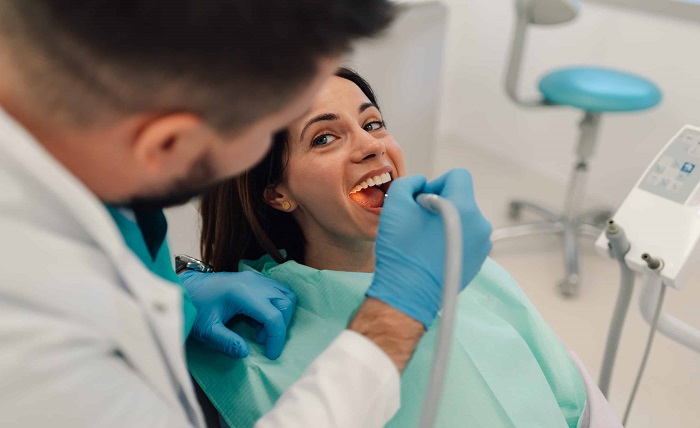
Your routine visit is your first shield. You might feel fine. You might see no stain or swelling. Yet disease can grow in quiet ways.
During a checkup, the dentist and hygienist:
- Check your teeth, gums, tongue, and cheeks
- Look for decay, cracks, and worn spots
- Measure gum pockets to catch early gum disease
- Review your brushing and flossing habits
During a cleaning, they remove plaque and tartar that you cannot reach with a brush. They also smooth the tooth surface. That makes it harder for new buildup to stick.
The Centers for Disease Control and Prevention explains that untreated cavities are common in both children and adults. Routine visits find these early. Early care means shorter visits, less pain, and lower cost.
2. Fluoride treatments
Fluoride is a natural mineral. It makes tooth enamel harder. It also helps repair early weak spots before a cavity forms.
You get fluoride in three ways:
- From toothpaste
- From community water in many towns
- From quick treatments at the dental office
In the office, fluoride comes as a gel, foam, or varnish. It takes only a few minutes. Children often need it more often because their enamel is still forming. Adults who get many cavities or have dry mouth also benefit from it.
The National Institute of Dental and Craniofacial Research notes that fluoride protects teeth across a lifetime. It is safe in the amounts used in water and dental care.
3. Dental sealants for kids and some adults
Back teeth have deep grooves. Food and bacteria sit in those pits. Brushes cannot always reach them. Sealants cover those grooves with a thin shield.
The steps are simple:
- The tooth is cleaned and dried
- A gentle solution prepares the surface
- The liquid sealant is painted on
- A light hardens it
Sealants work best soon after the back teeth come in. That is often between the ages of 6 and 14. Teens and adults with no decay in those teeth can still benefit from sealants. The shield can last several years. A dentist can repair worn spots with a quick touch-up.
4. Professional mouthguards
Sports and play can cause broken or lost teeth. A mouthguard cushions the blow. It spreads the force so one tooth does not take the full hit.
You can buy guards in a store. Yet a custom guard from a dentist fits better. It feels more natural. You are more likely to wear it every time.
Use a mouthguard if you or your child:
- Plays contact sports like football or hockey
- Plays sports with fast objects like baseball or soccer
- Grinds or clenches teeth during sleep
A night guard can also protect teeth from slow wear. Grinding can flatten teeth and strain your jaw. A guard places a shield between the upper and lower teeth. That protects enamel and lowers morning jaw pain.
5. Early treatment with crowns and fillings
Preventive care also means acting fast when damage starts. Small cavities need small fillings. Deep cracks or large broken parts often need crowns.
A crown is a strong cover shaped like a natural tooth. It holds the weak tooth structure together. It also restores normal chewing and keeps nearby teeth from drifting.
When you repair teeth early, you:
- Stop decay from reaching the nerve
- Lower the chance of needing root canal treatment
- Protect against sudden breaks that lead to extractions
Timely crowns and fillings support a stable bite. They also keep your chewing pattern even. That protects your jaw joints and neck muscles.
6. Gum care and deep cleaning
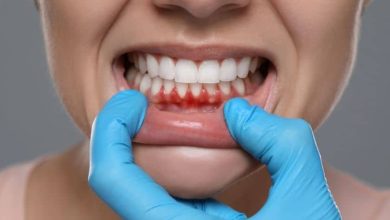
Healthy gums hold your teeth in place. Bleeding when you brush is not normal. It is an early warning sign.
For mild gum disease, your dentist may suggest:
- More frequent cleanings
- Improved brushing and flossing steps
- Antimicrobial rinses
For more advanced gum disease, you may need scaling and root planing. This is a deep cleaning of tooth roots. It removes hardened deposits below the gumline. Then the root surface is smoothed so the gum can reattach more tightly.
Strong gums help you keep your teeth as you age. They also lower the bacteria that can affect blood sugar control and heart health.
How often do you need these services
| Service | Typical frequency | Who benefits most |
|---|---|---|
| Checkups and cleanings | Every 6 to 12 months | All ages |
| Fluoride treatments | Every 3 to 12 months | Children, teens, adults with high cavity risk |
| Dental sealants | Once, with checks at each visit | Children and teens with new molars |
| Mouthguards | Replaced when worn or after growth | Sports players, people who grind teeth |
| Crowns and fillings | As soon as damage appears | Anyone with decay or cracked teeth |
| Gum care and deep cleaning | As recommended after exam | People with bleeding gums or bone loss |
Putting preventive care into your routine
You can build strong habits with three simple steps.
- Schedule. Book your next visit before you leave the office. Use reminders on your phone or calendar.
- Practice. Brush twice a day with fluoride toothpaste. Floss once a day. Help young children until they can tie their own shoes.
- Ask. Share any pain, dry mouth, or changes you notice. Early talk leads to early fixes.
Small, steady steps protect your mouth. They guard your comfort, your speech, and your ability to enjoy food. With routine preventive care, you protect your health at every age and lower the chance of sudden dental crises.