4 Common Preventive Services That Protect Against Gum Disease
You might be here because your gums have been bleeding when you brush, or your breath has been harder to control, or maybe a recent dental visit ended with the word “periodontal” and you have been worried ever since. It can feel unfair. You try to brush, you do the best you can, yet someone mentions gum disease and suddenly you are imagining tooth loss, painful treatments, and big bills. A knowledgeable dentist in Howard, Green Bay, WI can help you understand your options and create a plan that fits your needs.
If that is where you are, you are not alone. Gum disease is extremely common, and most people do not realize what is happening until it has already caused some damage. The good news is that gum disease is usually slow, it is very treatable, and there are several simple preventive services that can protect your gums and help you keep your teeth for life.
Here is the simple summary. Gum disease starts as inflammation of the gums. With time, it can damage the bone that holds your teeth. Four routine preventive services from a general dentist can dramatically lower your risk. These are professional cleanings, detailed gum evaluations, early treatment of gingivitis, and targeted home care coaching. When you understand how each one works, you can make calm, confident choices instead of worrying in the dark.
What is gum disease really doing to your mouth and daily life?
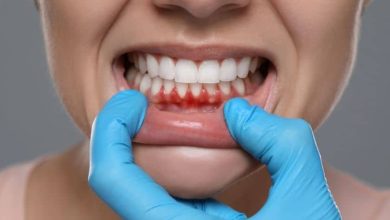
To understand why prevention matters, it helps to know what you are trying to stop. Gum disease, or periodontal disease, begins quietly. A sticky film of bacteria called plaque builds up along the gumline. If it is not cleaned away, it hardens into tartar that you cannot remove on your own. Your gums react to this constant irritation by becoming red, swollen, and prone to bleeding.
At this early stage, called gingivitis, your bone is usually still healthy. That is the point where prevention is powerful and change is still easy. If the irritation continues, the inflammation can spread deeper, affecting the bone and ligaments that hold your teeth. That stage is called periodontitis. The Centers for Disease Control and Prevention explains this process clearly and notes how common it is in adults. You can read more about it on the CDC’s gum disease information page.
So why does this hit so hard emotionally? Because once gum disease becomes advanced, the options become more involved and more expensive. People worry about losing teeth, about what others will think of their smile, and about how treatment might affect their work schedule or budget. A simple cleaning that might have cost a modest amount can turn into surgical treatment that costs several times more.
Imagine two people. One goes in twice a year, gets cleanings, and hears “your gums look good, just keep it up.” The other waits several years because life is busy and money is tight. By the time that person goes back, they hear “you have deep pockets, bone loss, and you will need several visits of deep cleaning, maybe surgery.” Same disease, different timing. The second person faces more stress, more time in the chair, and a higher bill. That is the real impact of putting prevention off.
So where does that leave you? It means that if you are worried about your gums now, there is still a lot that can be done, and the four preventive services below can change the story very quickly.
How do preventive dental services actually protect your gums?
You might hear about “preventive care” and think it just means brushing and flossing. Those are important, but a general dentist and their team can do things you simply cannot do for yourself at home. Here are four common preventive services that protect against gum disease and why they matter so much.
- Professional dental cleanings that go beyond your toothbrush
A routine professional cleaning removes plaque and tartar above and just under the gumline. This is the buildup that leads to irritation and gum infection. Even if you brush and floss carefully, there are spots you miss. Over time, those spots become hardened deposits that only professional instruments can remove.
Think of this as resetting the clock on your gums. Every cleaning gives your mouth a fresh start. It lowers the number of harmful bacteria, reduces inflammation, and makes it easier for you to maintain things at home. When done regularly, these cleanings are one of the simplest ways to prevent gum disease or stop early gingivitis from getting worse.
- Gum exams and periodontal charting that catch problems early
During a thorough exam, the dental team does not just look at your teeth. They also measure the spaces between your gums and teeth, called pockets. Healthy gums usually have shallow pockets. Deeper pockets can be a sign of gum disease and bone loss.
These measurements, along with X rays when needed, give a clear picture of your gum health. They show where infection might be starting and which areas need more attention. The National Institute of Dental and Craniofacial Research shares a helpful explanation in its Ask the Expert on gum disease. Regular exams and charting mean trouble spots are found while they are still manageable.
- Early treatment of gingivitis before it becomes bone loss
When your gums are puffy, bleed easily, or feel tender, that is often gingivitis. At this stage, professional treatment can usually reverse the problem. Your dentist may recommend a more thorough cleaning, focused attention around certain teeth, or a short schedule of more frequent visits.
This is where timing really matters. Treating gingivitis early can prevent it from turning into periodontitis, which affects the bone and is much harder to fix. The Columbia University College of Dental Medicine has a clear overview of this process in its patient resource on gum disease. When early treatment is combined with better daily care at home, the gums can often return to health without more advanced procedures.
- Personalized home care coaching that fits your real life
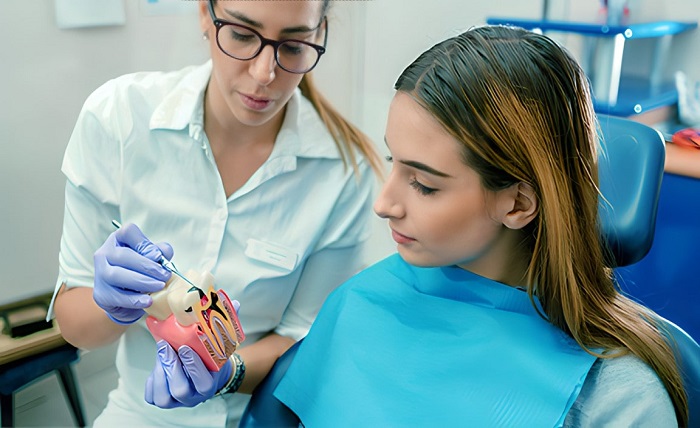
Many people feel guilty about their brushing and flossing, yet no one has ever taken the time to show them what to do in a way that fits their routine. A strong preventive visit includes coaching. That might mean showing you a better brushing technique, recommending the right floss or interdental brushes, or suggesting an antibacterial mouth rinse if you are at higher risk.
This guidance is not about perfection. It is about practical changes you can actually keep doing. When you combine professional care with small daily habits, you create a powerful shield against gum disease. This is what people mean when they talk about preventive gum care, and it is what helps you avoid more serious problems later.
What are the tradeoffs if you delay preventive gum care?
You might still be weighing things. Maybe you are thinking about time off work, childcare, or money. Those are real concerns. It can help to see the differences between staying on top of preventive gum disease services and waiting until you feel pain or notice loose teeth.
| ASPECT | REGULAR PREVENTIVE VISITS | WAITING UNTIL PROBLEMS ARE SEVERE |
| Typical treatment needed | Routine cleanings, exams, early gingivitis care | Deep cleanings, possible gum surgery, extractions |
| Time in the dental chair | Short visits a few times a year | Multiple long appointments over months |
| Discomfort level | Mild and manageable, often just cleaning | Higher discomfort, more healing time |
| Financial impact | Smaller, predictable costs | Larger, less predictable bills, possible tooth replacement |
| Long term outcome | Stronger chance of keeping natural teeth | Higher risk of tooth loss and ongoing treatment needs |
When you see the differences side by side, it becomes clear that prevention is not just about health. It is also about peace of mind, time, and money. So the real question becomes, what can you do right now to move yourself toward the easier path.
What can you do this week to protect your gums?
You do not need to overhaul your entire life. A few focused steps can set you on a safer path and support the work that a general dentist does for you.
- Schedule a preventive checkup even if you feel unsure
If it has been more than six months since your last visit, or if you cannot remember your last cleaning, make an appointment with a general dentist and tell them you are concerned about gum disease. Ask for a full gum evaluation, including pocket measurements and a clear explanation of what they see.
It is okay to say you are nervous about cost or discomfort. A good dental team will walk through options and help you prioritize what needs to be done first. The hardest part is usually making that first call. Everything else becomes clearer once you know where you stand.
- Upgrade your daily brushing and cleaning between teeth
While you are arranging care, improve what you do at home. Brush twice a day for two minutes with a soft bristle toothbrush, aiming the bristles gently toward the gumline. Clean between your teeth once a day with floss or interdental brushes. If traditional floss is hard for you, ask your dentist about other tools like water flossers.
These small changes reduce the bacteria that cause gum disease and make your professional visits more effective. Think of your home care as the daily maintenance that supports the work done in the dental office.
- Watch for early warning signs and respond quickly
Pay attention to your gums. If you notice bleeding when you brush, chronic bad breath, gums that look puffy, or teeth that feel slightly loose, do not wait. These are common signs of gum problems. Call a dentist and explain what you are noticing. Early action can often turn things around with simpler treatment.
Keep a short note on your phone with any changes in your mouth. Bring that to your appointment. It helps your dentist see patterns and tailor your care.
Moving forward with more control and less fear
You might still feel uneasy about the phrase “gum disease,” and that is understandable. It touches your health, your appearance, and your wallet. At the same time, you now know that gum problems usually build slowly, that a general dentist has specific tools to stop them, and that four common preventive services can change your long term outlook in a very real way.
You do not need to fix everything overnight. Start by getting a clear picture of your gum health, commit to regular preventive visits, and make a few realistic changes to your daily routine. Each small step reduces your risk, protects your smile, and gives you more control over what happens next with your dental care.