4 Common Myths About Cosmetic Dentistry Debunked
Cosmetic dentistry often feels confusing. You may hear stories that sound scary, shallow, or expensive. Many of these stories are myths that keep you from care that could help you eat, speak, and smile with more ease. This blog breaks down four common myths you may hear about cosmetic work and gives you clear facts. You will see how modern care protects tooth strength, supports mouth health, and can fit real budgets. You will also learn how options like bonding, veneers, and whitening work in daily life. North Scottsdale cosmetic dentistry uses proven methods that focus on safety and function first. You deserve straight talk, not pressure. When you understand what cosmetic dentistry can and cannot do, you can choose what fits your needs, your comfort, and your life.
Myth 1: “Cosmetic dentistry is only about looks”
You may hear that cosmetic care is just for selfies. That is not true. Many cosmetic treatments also support mouth function and long term health.
For example, closing gaps or fixing worn edges can improve how your teeth meet. That can reduce strain on your jaw. Repairing chipped teeth can protect the inner tooth from decay. Replacing missing teeth can help you chew, speak, and keep nearby teeth from drifting.
The American Dental Association explains that cracked or chipped teeth can lead to more serious damage if you ignore them.
Cosmetic treatments often blend with “restorative” care. You get teeth that feel stronger and also look natural in your mouth. That helps you eat with comfort and speak with clear sounds. It also supports daily confidence at work, school, and home.
Myth 2: “Cosmetic dentistry always ruins natural teeth”
Many people fear that any cosmetic work will grind teeth down to tiny pegs. That image is common online. It does not match modern practice in the United States.
Today, many treatments use a “tooth-saving” approach. Dentists remove as little tooth as they can. Some options need no drilling at all.
Common Cosmetic Options and Impact on Natural Tooth
| Treatment type | Typical tooth change | Main uses
|
|---|---|---|
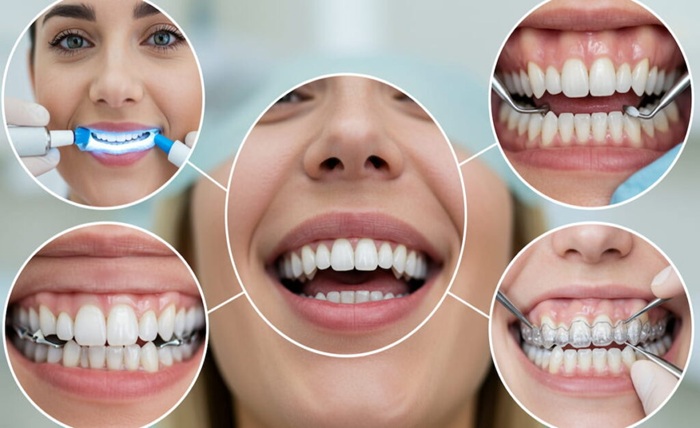
| Teeth whitening | No drilling. Uses safe bleaching gel with custom trays. | Lightens stains from coffee, tea, or aging. |
| Dental bonding | Often no drilling. The tooth is cleaned and roughened on the surface. | Repairs chips, closes small gaps, and reshapes edges. |
| Porcelain veneers | Thin layer of enamel removed from the front of the tooth. | Covers deep stains, uneven shapes, and mild crowding. |
| Crowns | More tooth reshaping. Used when the tooth is weak or broken. | Protects cracked teeth, large fillings, or root canal teeth. |
You and your dentist can review photos, X-rays, and models. Then you can decide which option keeps the most natural tooth. You can also ask how each step will feel and what to expect during healing.
The key is clear consent. You should never feel rushed. You can always ask for time to think before you agree to any tooth reshaping.
Myth 3: “Cosmetic dentistry is only for rich adults”
Many families assume cosmetic care is a luxury. That belief can keep people from simple fixes that improve daily life.
Some cosmetic steps are low-cost. Bonding to repair one small chip can cost less than many phones or gaming systems. Teeth whitening at home with trays from your dentist can take weeks. That makes it easier to plan with your budget.
Also, some treatments that look “cosmetic” may be partly covered by insurance when they protect tooth function. A crown that restores a broken tooth can also improve its look. A bridge that fills a gap can also keep your bite aligned. You can review your plan and ask which services have any coverage.
Children and teens sometimes need care that has both health and cosmetic impact. Fixing a chipped front tooth after a sports injury can prevent decay and also support self-esteem at school. The National Institute of Dental and Craniofacial Research gives useful facts on how injuries affect teeth here: Tooth injuries and treatment.
You can also ask about
- Payment plans that split costs into smaller parts
- Phased care that starts with the most urgent teeth
- Less costly materials when they fit your case
Money worries are real. Honest planning with your dentist can turn a scary number into clear steps you can manage.
Myth 4: “Cosmetic dentistry always looks fake”
Old stories about “chiclet teeth” still spread fear. Many people picture bright white blocks that shine in every photo. Modern cosmetic care does not need to look that way.
Today, labs and dentists can match
- Color that fits your skin tone and age
- Shape that fits your face and lip line
- Texture that copies natural tooth surfaces
You can bring old photos of your smile. You can point to teeth you like and teeth you want to change. You can ask for a smile that looks “healthy and clean” instead of “perfect.” That clear language helps your dentist plan a result that fits your life, not a TV show.
Many offices use digital previews or temporary versions. You can see and feel changes before they become final. You can ask for small changes in shape or color. That shared planning cuts the risk of a fake look.
How to decide if cosmetic dentistry is right for you
You deserve simple steps when you think about any change to your body. Use three questions as a guide.
- Does this treatment protect or improve how I eat, speak, or clean my teeth
- Do I understand every step, cost, and risk in plain words
- Do I feel heard when I share my fears and hopes
If you answer yes to all three, you are on solid ground. If you answer no to any, slow down. Ask more questions. Seek a second opinion if needed.
Cosmetic dentistry should not feel like a rush or a trend. It should feel like a careful choice that respects your body, your story, and your budget. When myths fall away, you can see that many options are simple, safe, and tailored to you.
Your smile is part of how you eat, talk, and connect with people you love. You have a right to clear facts, kind care, and results that feel like you.