
How India Is Building “Smart Stadiums”: 5G Networks and Neuro-Analytics in the Stands
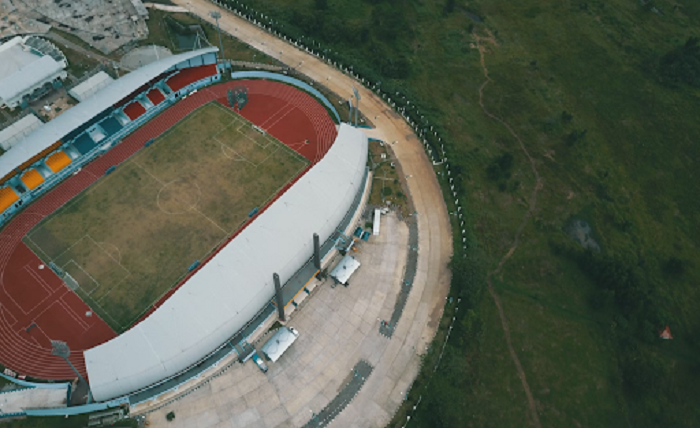
India’s sporting landscape is evolving at a speed few expected. The country that once built stadiums as concrete cathedrals is now rebuilding them as digital ecosystems – wired, intelligent, data-driven structures built for a new era of spectators. From cricket giants like Ahmedabad and Mumbai to fast-growing football venues in Bengaluru and Kolkata, Indian stadiums are stepping into a future defined by 5G connectivity, AI-powered analytics, and real-time fan engagement.
This shift didn’t happen overnight. It began with rising expectations. Fans brought new habits to stadiums: live streaming, multi-tab browsing, instant statistics, social media reactions. Today, India is responding with infrastructure that mirrors global tech hubs, not traditional sports arenas.
The 5G Backbone Behind India’s Stadium Modernisation
The launch of 5G in major Indian metros created the perfect foundation. Stadiums are among the first public venues to integrate large-scale 5G deployment because the demand is immediate: tens of thousands of fans trying to stream at once, upload videos, check stats, or watch replays from different angles.
Telecom giants have been collaborating with cricket and football associations to install millimetre-wave towers across stadium perimeters. That enables high-bandwidth with almost no latency. In a crowd of 60,000, where everyone is live-posting or watching VAR moments in real time, this consistency is essential.
5G also allows smart-camera grids to operate without lag. These cameras track ball movement, player positions, and tactical patterns, sending data instantly to broadcasters and in-stadium displays.
AI and Neuro-Analytics: The New Eyes of the Stadium
India’s “smart stadiums” don’t stop at faster internet. They integrate neural-analytics systems – advanced AI models capable of reading crowd flow, analysing noise patterns, and enhancing security.
Several cricket venues now use AI-driven heatmaps that monitor fan density in real time. It’s not only a safety tool; it shapes fan experience. AI can predict concession-stand bottlenecks, redirect crowd flow through digital signage, or even adjust sound amplification based on energy levels within the stands.
Broadcasters receive these analytics to enhance commentary. Coaches analyse crowd-reaction spikes to understand momentum swings. It’s a subtle but powerful feedback loop: the stadium listens back.
Sports Betting and Data-Driven Fans
The rise of real-time stadium data has a parallel effect beyond the arena. Indian and Bangladeshi fans increasingly pair live attendance with mobile stats, making in-stadium engagement an extension of the digital experience.
This is where a growing part of the regional audience intersects with the ecosystem surrounding betting bd, especially during big cricket or football matches. Fans rely on fast data, player metrics, and live momentum graphs while following their matches inside the stadium, reflecting how stadium connectivity and betting-culture analytics now coexist in one digital rhythm. The behaviour isn’t about promotion – it’s about how real-time information has become part of fandom itself.
Immersion: AR Screens, Multi-Angle Replays, and Personalised Feeds
Smart stadiums are built to mirror the depth of a broadcast. Fans in India now access multi-camera replays on their phones seconds after an event on the pitch. Some venues test augmented-reality layers: player stats appearing when a user points their camera at the field, velocity lines tracking a cricket ball’s swing, heatmaps showing bowling impact zones.
The goal isn’t to distract from the match but to deepen engagement. Younger fans treat stadiums as hybrid spaces – part social arena, part personal media centre. When thousands of people can instantly analyse a tactical shift or a bowler’s variation, the culture of watching sport becomes more informed and more electric.
The App Ecosystem and Match-Day Decision Making
This shift also affects how fans use mobile apps while attending live games. Match analytics, live scores, injury updates, and predictive breakdowns are now checked from the same seats where fans cheer their team. Indian stadiums are specifically designed to support these behaviours through dedicated 5G nodes.
That’s why discussions around melbet apk often appear in the broader match-day digital ecosystem. Fans accustomed to seamless, low-latency digital tools naturally expect betting and analytics apps to match the same speed and clarity they experience at smart stadiums. The link isn’t forced – it comes from the convergence of tech habits: instant data, instant decisions, instant interaction with the sport they love.
Security and Crowd Intelligence in the 5G Era
India’s largest stadiums now deploy AI-augmented surveillance systems capable of identifying unusual behaviour, unsafe crowd clusters, or medical emergencies. Unlike older CCTV networks, these systems process feeds in real time and alert staff instantly.
During major cricket tournaments, facial-recognition gates have been tested to reduce queue times and prevent ticket fraud. AI-powered monitoring also helps medical teams reach incidents faster, mapping the quickest route through high-density areas.
The smarter the stadium, the safer the chaos feels.
Sustainability: Smart Stadiums as Green Stadiums
India’s digital upgrades often include environmental intelligence:
• smart lighting that adjusts to natural conditions,
• water-management systems tied to weather data,
• solar-assisted power grids,
• sensors that track and reduce energy waste.
This is especially prominent in new stadiums built for the Cricket World Cup and major football events. India wants to build not only high-tech arenas but efficient, sustainable ones.
India Sets the Pace for Asia’s Stadium Future
Other Asian nations are watching India closely. The combination of cheap mobile data, massive fan demand, and government-backed 5G expansion has positioned India as the region’s proving ground. If a technology succeeds in Mumbai or Chennai, it’s likely to spread to Dhaka, Colombo, Manila, and Jakarta.
Across Asia, stadiums are no longer just buildings. It’s a network. A data hub. A living system. And India, with its blend of scale and innovation, is steering the region toward a future where every game is enhanced by intelligence – both artificial and human.