
Chennai’s Colonial Heritage: Top 4 Places Every History Buff Should Visit
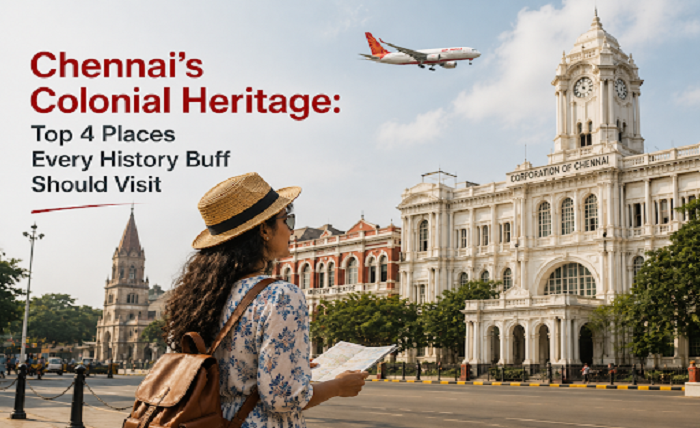
Chennai is one of the oldest metropolitan cities in India, with a glorious past of over three centuries of colonial rule. The city that was once called Madras was a key trading post of the British East India Company and subsequently one of the chief administrative centres of British India. Today, its colonial legacy is reflected in grand forts, churches, government buildings, museums, and historic neighbourhoods. For both history buffs and heritage site explorers, Chennai is a fascinating window to India’s colonial past. If you’re travelling by air with Air India, reviewing the Air India baggage allowance before departure can help you pack more efficiently, especially if you plan to return with books, handicrafts, or souvenirs from the city. Securing your flight ticket in advance gives you more flexibility to plan your heritage itinerary, especially if you intend to explore multiple landmarks across the city.
Why Chennai Is a Treasure Trove of Colonial History
Modern-day Chennai bears the enduring influence of its colonial past. For centuries, the city was shaped by British rule, commerce, education, architecture, and culture. After arriving on a Delhi to Chennai flight, you can easily begin exploring the city’s colonial heritage. Many of the buildings constructed during this era continue to serve important public functions and hold their historic charm.
Together, these landmarks offer valuable insights into Chennai’s colonial history, architectural evolution, and the events that shaped the city into the vibrant metropolis it is today.
Must-Visit Colonial Landmarks
Chennai is a vibrant city steeped in history, offering a unique blend of colonial charm and modern culture. Discover the must-visit places that showcase its rich heritage and captivating stories.
Fort St. George
This is the first fort built by the English in India in 1644. It was the headquarters of the British East India Company and was crucial to the administration of South India. Today, visitors can walk through the fort complex, museum, and historic buildings preserving hundreds of years of history.
St. Mary’s Church
One of the oldest existing Anglican churches in India is St Mary’s Church at Fort St George. It is noted for its fine architecture and its historic importance. The church is associated with a number of important British officials, including Robert Clive.
Madras High Court
The Madras High Court is one of the heritage buildings of Chennai. Built in 1892, it boasts magnificent Indo-Saracenic architecture with striking red sandstone structures, decorative domes, and intricate detailing. It remains one of the oldest functioning high courts in India.
Ripon Building
This is a white building named after Lord Ripon. It is the head office of the Greater Chennai Corporation. The Ripon Building, built in the early 20th century, is a beautiful example of neoclassical architecture, with its gorgeous clock tower and pristine façade.
Several museums, with their well-preserved artefacts, documents, photographs and historical exhibits, help visitors to better understand the colonial past of Chennai.
Museums That Bring Colonial Chennai to Life
Several museums have meticulously preserved artefacts, documents, photographs and historical exhibits that better contextualise Chennai’s colonial past.
There are some famous museums, such as the following:
- Government Museum, Egmore
- Museum of Fort,
- Fort St George, Chennai
- Museum of Railways
- Museum of Vivekananda House
The museums provide a valuable insight into the city’s political, cultural, and social history. If you have travel plans onward, remember to check live flight status before leaving for the airport.
Tips for Visiting Chennai’s Heritage Sites
A little planning can help you make the most of your heritage tour. Keep these tips in mind:
- Start your sightseeing early to avoid the afternoon heat and enjoy a more comfortable walking experience.
- Visit nearby attractions such as Fort St. George, St. Mary’s Church, and the Fort Museum together to make the most of your time.
- Check the opening hours of museums and heritage buildings before your visit, as timings may vary on weekends and public holidays.
- Dress respectfully when visiting churches and other places of worship.
- Hire a local guide or join a heritage walk to gain deeper insights into Chennai’s colonial history and architecture.
- Set aside enough time to explore each site, as many landmarks feature museums, exhibitions, and architectural details worth appreciating.
Planning your itinerary carefully allows you to enjoy the city’s rich history at a comfortable pace.
Conclusion
Chennai’s colonial heritage offers a fascinating glimpse into an important chapter of India’s history. From historic forts and centuries-old churches to magnificent public buildings and museums, the city preserves numerous reminders of its colonial past. Whether you are exploring Fort St George, walking through George Town, or admiring the architecture of the Madras High Court, every landmark tells a story. A heritage tour through Chennai is both educational and memorable, making it an excellent experience for every history enthusiast.