Digital Denture Workflows: From Scan To Smile
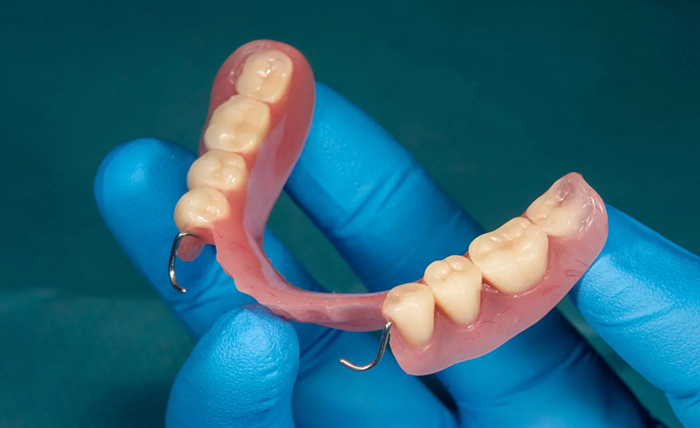
You might be feeling stuck between two worlds right now. On one side is the life you had before missing teeth or loose dentures. On the other side is the life you want, where you can smile, eat, and speak without worrying something will slip or hurt. In the middle is a confusing mix of options, jargon, and appointments that all seem to take forever—especially when you’re trying to understand whether dental implants in Scarsdale are the right choice for you.
Because of this tension, you might wonder whether there is a smoother way from “problem” to “smile.” That is exactly where digital denture workflows come in. Instead of long, messy, repeat visits, this approach uses scans, software, and precise manufacturing to move from scan to smile in a more controlled and predictable way.
In simple terms, digital dentures and implant-supported dentures use 3D scans instead of old-fashioned impressions, computer design instead of guesswork, and high quality milling or printing instead of hand layering alone. The goal is not just a high-tech gadget. The goal is comfort, confidence, and a result that feels like you again.
Why traditional dentures feel so frustrating in the first place
If you have worn dentures, you already know the hidden cost. They may look fine in the mirror, yet you find yourself avoiding certain foods, covering your mouth when you laugh, or worrying they will click when you talk. If they are loose, sore spots and adhesive become part of your daily routine.
Traditional dentures usually need several visits. First impressions, then bite records, try-ins, adjustments, and sometimes starting over. Every time something is off, you wait for the lab, then go back to the chair. By the end, you are exhausted and still not completely sure you like the fit.
Now add implants to the picture. Implant dentures promise better stability, but the planning and coordination can feel even more overwhelming. You might see a surgeon for the implants, a denture and implant dentist for the teeth, and a lab you never meet. If communication is not perfect, you are the one who pays the price in time, money, and comfort.
So, where does that leave you? Usually, with a difficult tradeoff. Do you settle for “good enough,” or do you start another round of visits and adjustments, hoping this time will be different?
How digital denture workflows change the story
Digital dentures try to remove as much guesswork as possible. Instead of relying only on physical impressions and wax, the process begins with a detailed 3D record of your mouth. That can be an intraoral scan, a scan of special impression trays, or a combination with a CBCT scan if implants are involved.
Once your mouth is scanned, specialized software is used to plan the shape, bite, and position of your new teeth. For implant cases, the same data can guide implant placement and denture design together, so the implants and the teeth work as one system rather than two separate projects.
Clinical research supports the value of this approach. For example, studies on digital dentures have shown that using a consistent digital record can improve accuracy and reduce the need for repeated adjustments over time. You can explore one such discussion of digital prosthodontic techniques in this peer reviewed article on digital prosthodontics.
There are also modern techniques that avoid traditional stone casts completely. One example is a cast free method that uses a digital mucostatic base with functional borders to capture both comfort at rest and support during movement. If you want to see how far this technology has come, you can read about a cast free digital denture technique described by prosthodontic experts.
Because everything is stored as data, your denture and implant dentist can reproduce or tweak your dentures later without starting from zero. If a denture breaks or is lost, it can often be remade from the digital file. That is a very different feeling from hearing “we have to start over” after weeks of work.
Is a digital denture or implant workflow right for you?
Even with all this promise, it is normal to feel cautious. You might be thinking, “Is this just a fancy gadget, or does it really make life easier for me?” A fair question.
Digital workflows do not magically erase every problem. You still need careful diagnosis, a clear treatment plan, and a dentist who understands both technology and real human mouths. The equipment is only as good as the person using it. That is why some dentists pursue specific training in digital dentures and implants, often through structured continuing education.
If you are curious how professionals are being trained in this area, you can look at programs such as the digital dentistry continuing education course at Temple University, which reflects the growing focus on scan based workflows and prosthetic planning.
To help you weigh your options, it can help to compare the traditional and digital paths side by side.
Comparing traditional dentures and digital denture workflows
The table below gives a simple overview of how a conventional approach compares with a scan to smile denture process that uses digital tools.
| Aspect | Traditional Denture Workflow | Digital Denture Workflow |
|---|---|---|
| Impressions | Multiple physical impressions, risk of gagging, distortion if materials move | 3D scans or digitized impressions, less bulk in the mouth, data can be reused |
| Number of visits | Often 4 to 6 visits for records, try ins, and adjustments | Frequently fewer visits, more planning done digitally between appointments |
| Accuracy and fit | Dependent on manual steps and stone models, more chance of small errors adding up | Computer guided design and manufacturing, consistent records, easier to refine |
| Implant coordination | Implants and dentures sometimes planned separately, more room for mismatch | Implant and denture positions planned together using the same data set |
| Replacement or remake | Often requires new impressions and repeated steps | Can often be remade directly from stored digital files |
| Upfront cost | May be lower depending on materials and lab | Can be higher initially due to technology, but may save cost on remakes and visits |
| Experience for the patient | More physical materials, longer chair time, more guesswork for esthetics | Smoother planning, clearer previews, often fewer appointments and less stress |
When you see it laid out this way, you can start to picture which path fits your needs, your schedule, and your tolerance for trial and error.
Three practical steps you can take right now
- Clarify what “success” means for you
Before you choose any treatment, take a quiet moment and define your own success. Is it being able to bite into an apple again. Is it feeling unselfconscious in photos. Is it getting rid of adhesive. The more specific you are, the easier it is for a denture and implant dentist to recommend a workflow that matches your goals. Write down your top three priorities and bring them to your consultation.
- Ask your dentist targeted questions about digital options
At your next visit, do not just ask “Do you do digital dentures.” Ask more focused questions, such as:
- “Can my case be planned with a scan based denture workflow, and what would that change for me in terms of visits and fit”
- “If we use a digital process, will my denture design be stored so it can be remade later”
- “How do you coordinate digital planning for implants and dentures together”
The answers will tell you not only what technology is available, but also how comfortable your dentist is with using it for your specific situation.
- Get a second opinion if you feel rushed or unheard
If you feel pushed toward a decision or brushed off when you ask about digital options, it is okay to pause. A second opinion from another denture and implant dentist can give you clarity and peace of mind. Bring any scans, X rays, or old dentures with you so they can give practical feedback, not just general talk. Feeling respected and understood is just as important as the technology being used.
From confusion to confidence, one informed choice at a time
You do not have to become a dental engineer to benefit from digital denture workflows. You only need enough understanding to ask clear questions, recognize when something aligns with your goals, and choose a team you trust.
The path from scan to smile is really about giving you a more predictable, more human experience. Fewer surprises. Fewer “start over” moments. More focus on how you want to live your life with your new teeth.
Your next step can be as simple as scheduling a thoughtful consultation, bringing your questions, and seeing whether a digital denture or implant workflow fits your story. You deserve a solution that respects your time, your comfort, and your smile